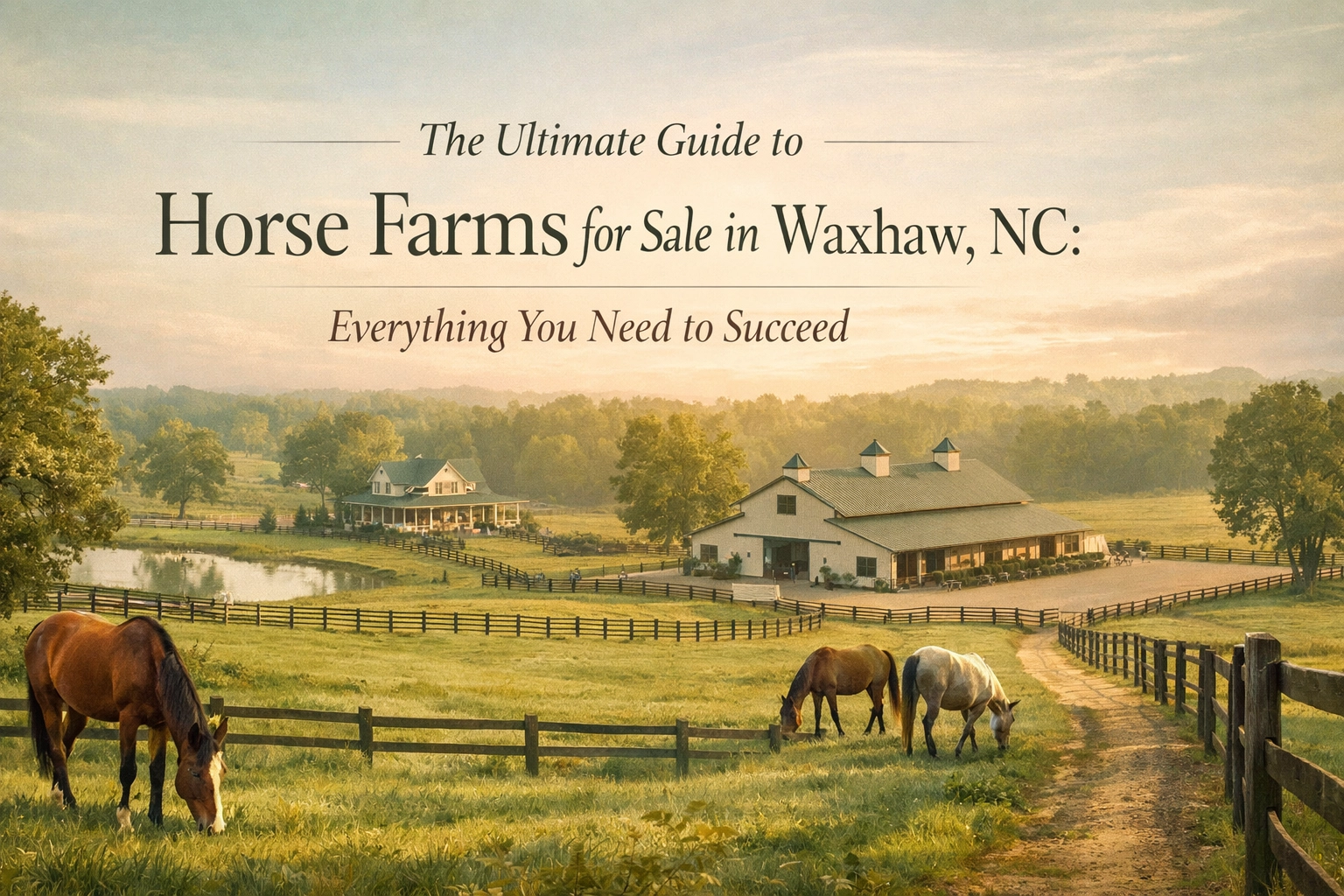
Waxhaw, North Carolina sits quietly at the southern edge of the Charlotte Metro, where subdivisions give way to rolling pastures and the word "equestrian" still means something. If you're searching for horse property that offers legitimate acreage, established infrastructure, and a community that actually rides: not just talks about it: Waxhaw deserves your attention.
This isn't about chasing trends or inflated lifestyle marketing. This is about understanding what makes a horse farm functional, sustainable, and worth the investment in 2026.
The Current Market: What's Actually Available
As of early 2026, Waxhaw maintains a steady inventory of equestrian properties ranging from compact training operations to full-scale breeding facilities. Current listings include approximately 17 to 45 properties depending on search parameters, with an average listing price around $537,700.
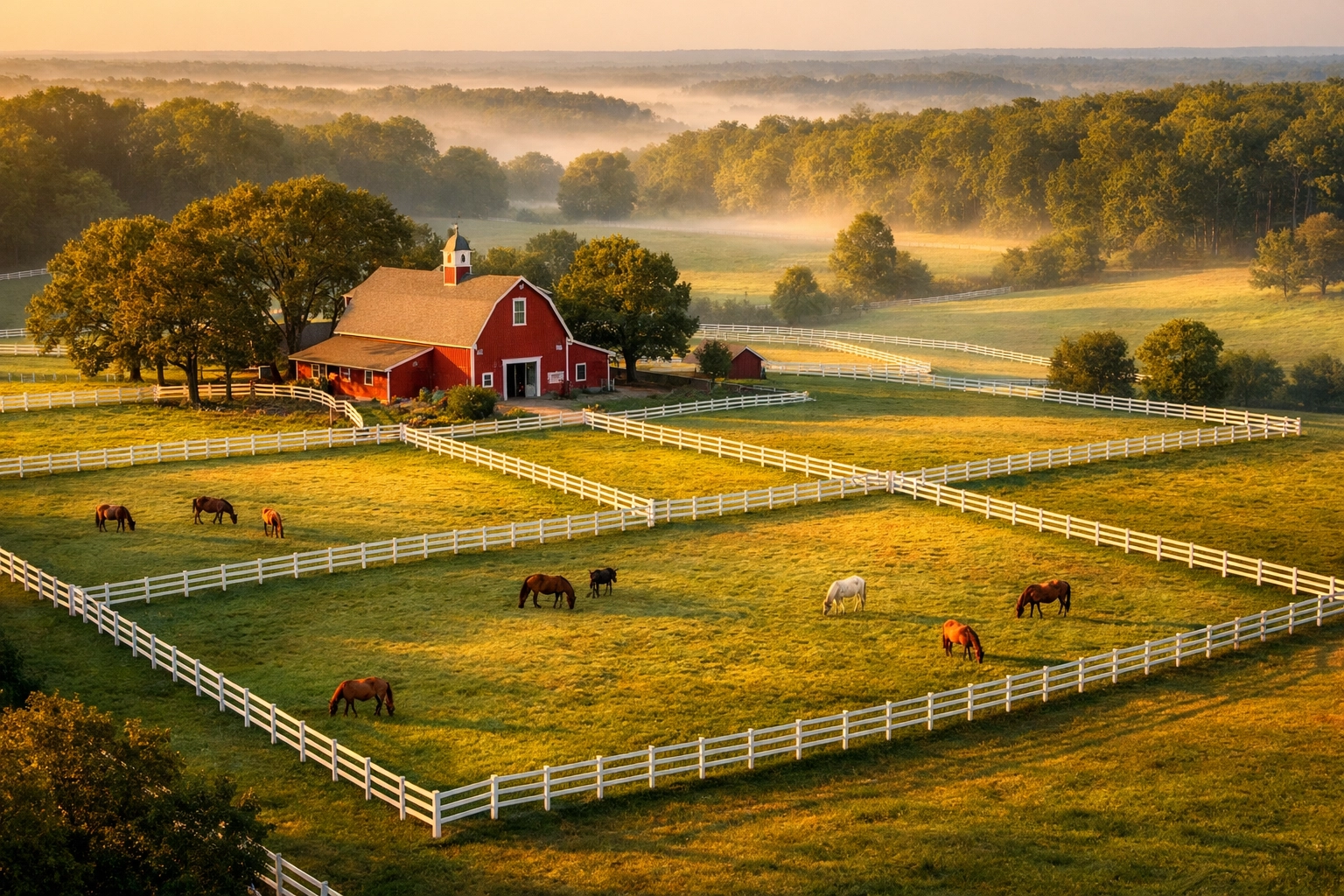
The price range tells the real story: entry points start near $295,000 for smaller acreage parcels, while established estates with premium improvements can reach $1,500,000 or higher. Average cost per acre hovers around $49,884, positioning Waxhaw as more accessible than neighboring Weddington or Marvin while maintaining similar quality and infrastructure.
These numbers reflect actual horse farms: properties with barns, pastures, and water systems already in place. Not vacant land with "equestrian potential." Not subdivisions with a horse restriction waiver. Functional facilities designed by people who understand how horses live and work.
Why Waxhaw Works for Serious Horse Operations
Waxhaw earned its equestrian reputation through geography and community, not marketing. The terrain offers natural drainage, the climate supports year-round turnout with proper management, and the local culture includes established trainers, veterinarians, and feed suppliers who know their business.
The soil composition in this region: predominantly clay with reasonable drainage when properly maintained: supports healthy pastures without the constant battle against sand or rock. You'll need a rotational grazing plan and regular soil testing, but the foundation is solid.
Access to trail systems includes the Mineral Springs Greenway and the 1,100-acre Cane Creek Park, providing off-property riding options that become essential when you're training young horses or maintaining fitness programs. The Valley Farm Community and similar developments have preserved equestrian access rights and shared trail easements that add functional value beyond property lines.
Distance from Charlotte's urban center runs approximately 25 miles: far enough to escape density and noise, close enough to maintain access to major veterinary hospitals, specialty farriers, and competitive venues. Travel time to the Tryon International Equestrian Center: roughly 90 minutes. Travel time to quality hay suppliers and tack shops: under 20 minutes.
Property Types and What They Actually Include
Current Waxhaw listings typically fall into four categories, each serving different operational needs:
Starter Farms (5-10 acres): Suitable for private horse owners keeping 2-4 horses. Typically include a 4-6 stall barn with tack room, two-board fencing, and basic run-in sheds. These properties work for boarders transitioning to private ownership or semi-retired professionals maintaining a small string. Limitations: minimal space for arena or round pen, requires off-property access for serious training.
Mid-Range Training Facilities (10-25 acres): The sweet spot for professional trainers or serious amateurs. Features often include 8-12 stall barns with hay storage, at least one riding arena (frequently lighted), multiple pastures with rotation capability, and equipment storage. These properties support boarding operations, lesson programs, or breeding operations at manageable scale.
Established Equestrian Estates (25-50 acres): Full-service facilities with multiple barns, indoor and outdoor arenas, walker systems, round pens, and comprehensive pasture networks. These properties serve professional training operations, breeding programs, or high-level competitive riders requiring extensive home training capability. Infrastructure typically includes manager housing, client parking, and trailer turnaround areas.
Premium Horse Ranches (50+ acres): Rare but available. Properties at this scale offer privacy, private trail systems, multiple facilities, and potential for agricultural designation tax benefits. Suitable for breeding operations, retirement facilities, or private estates with significant horse populations.
Critical Evaluation Points Before You Buy
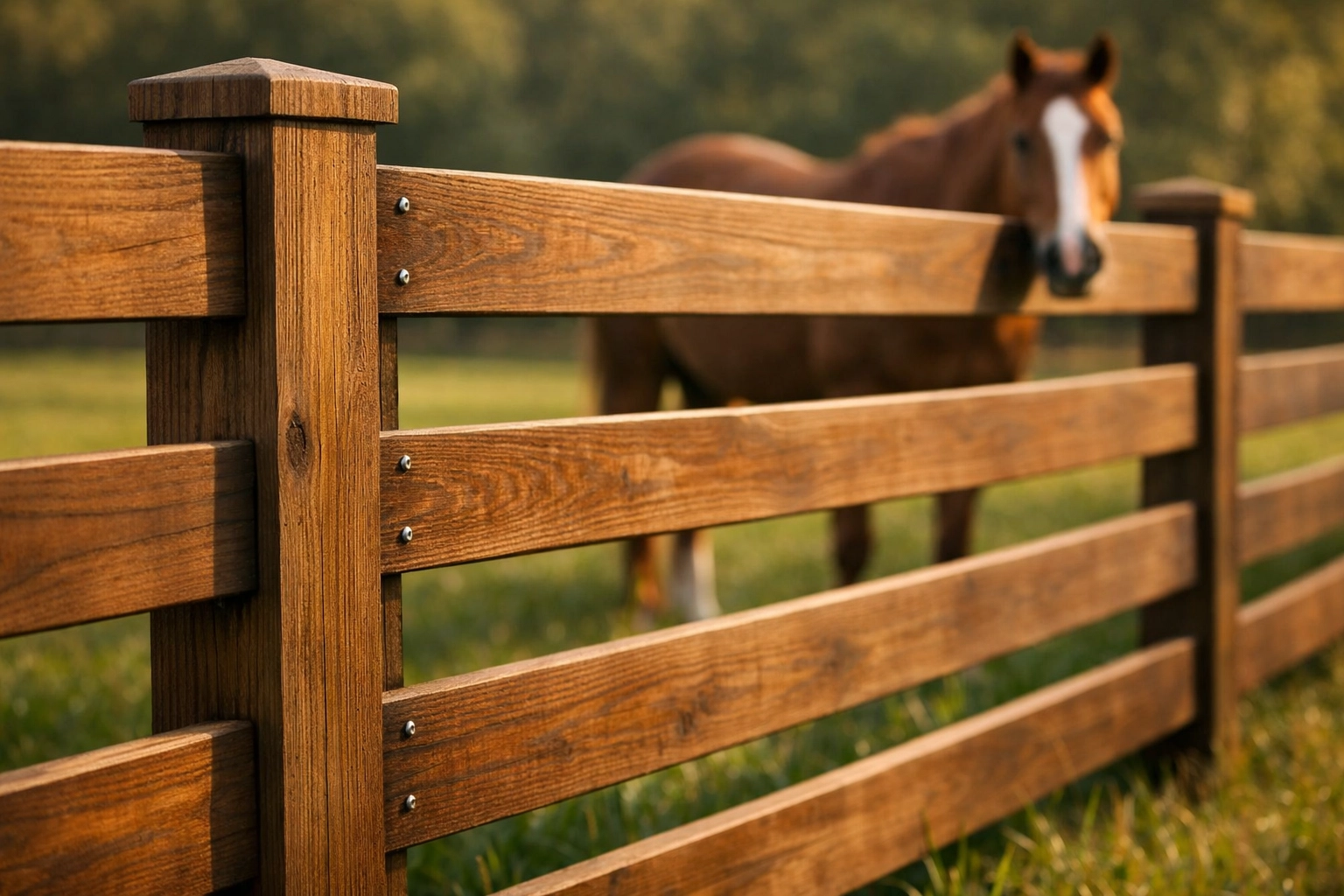
Walk the fencing first. Not to admire the view: to check every post, board, and gate latch. Deferred fencing maintenance represents the single largest hidden cost in horse property purchases. Quality four-board oak fencing in good repair indicates an owner who understood horses. Sagging wire and rotted posts indicate expensive surprises ahead.
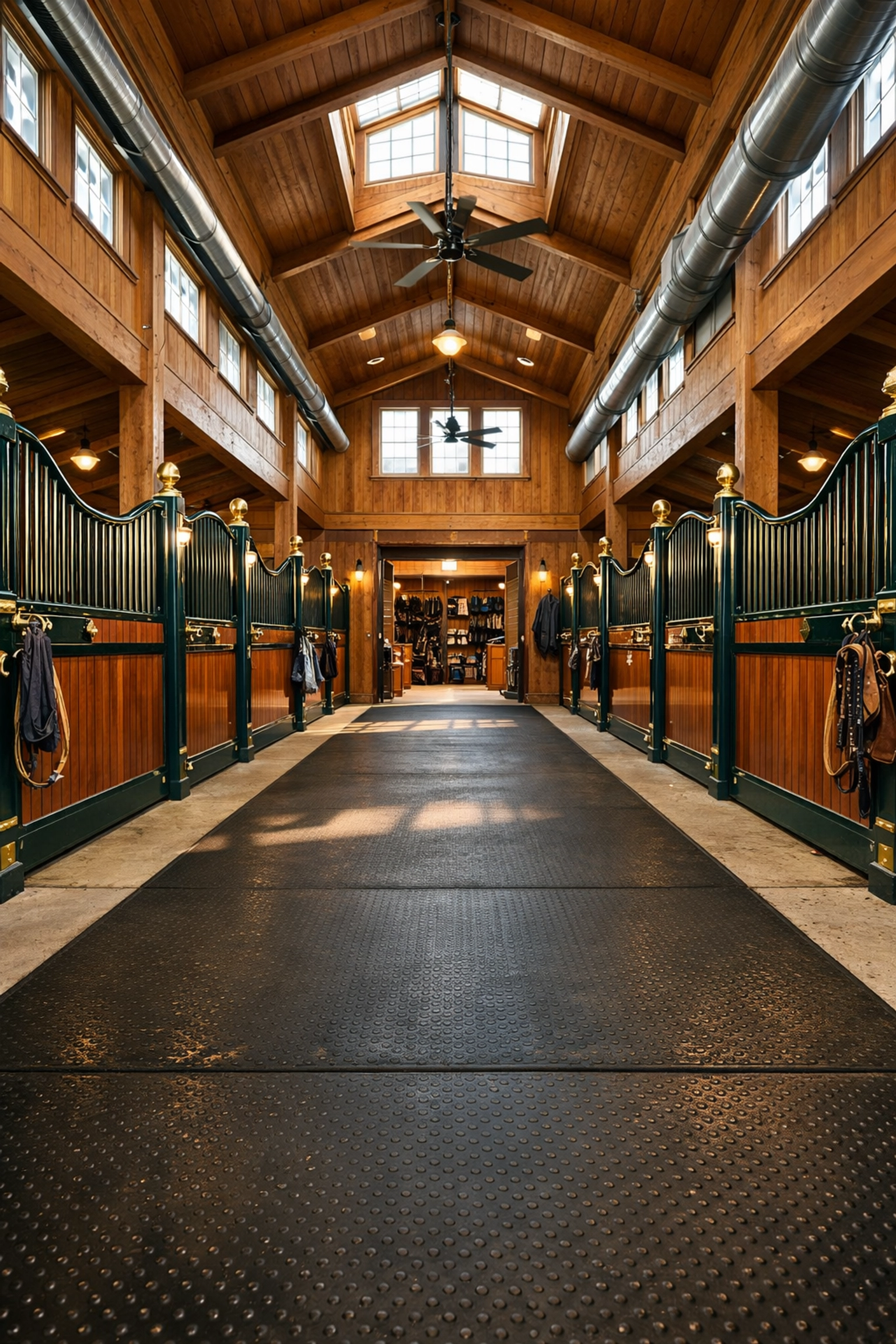
Barn infrastructure requires detailed assessment beyond aesthetic appeal. Check stall dimensions (12×12 minimum for most horses, 14×14 for mares and foals), ventilation systems, footing drainage, electrical service capacity, and water line condition. A beautifully painted barn with 10×10 stalls and poor ventilation creates more problems than it solves.
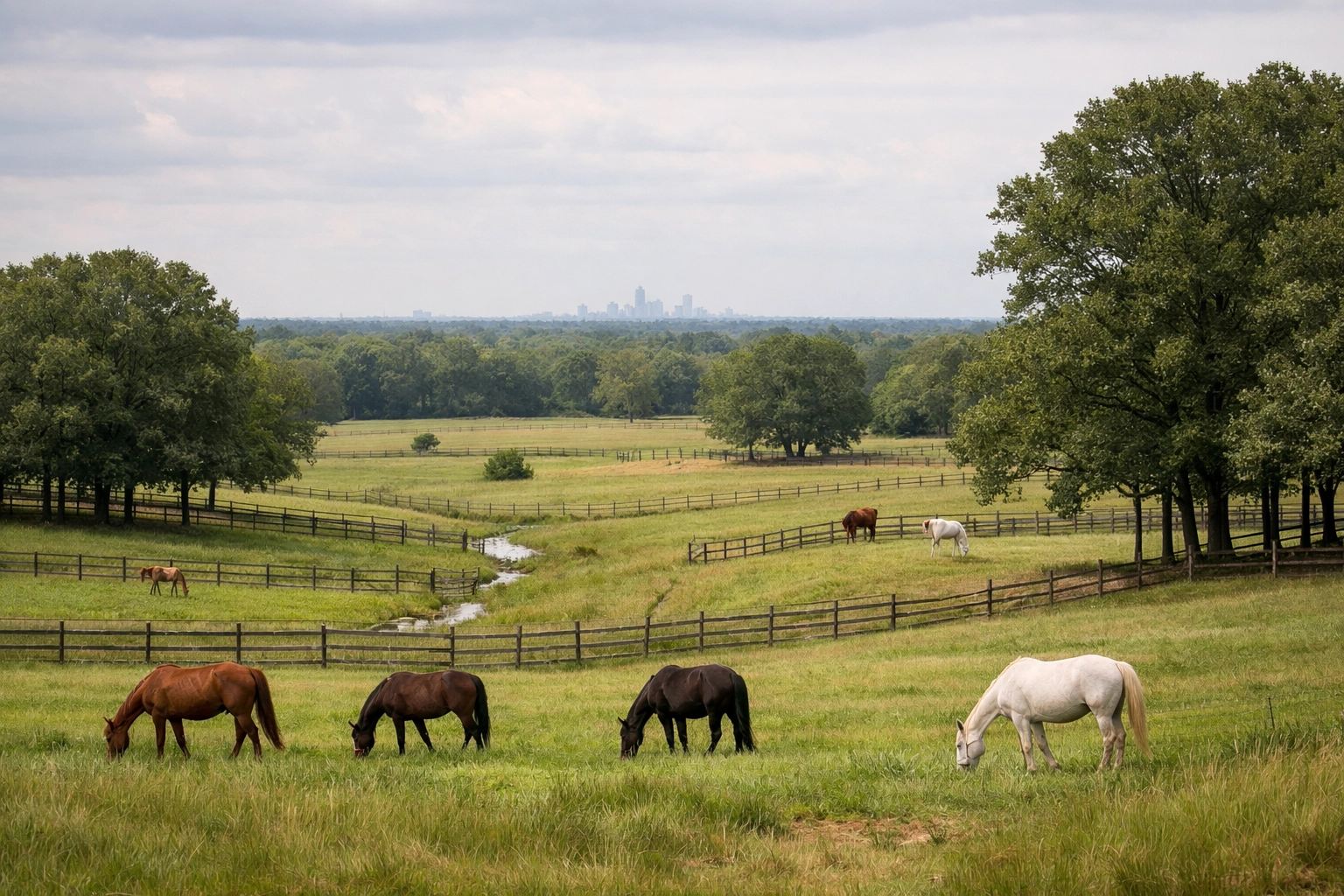
Pasture quality varies significantly across Waxhaw properties. Established grass varieties, maintained fencing, proper drainage, and evidence of rotational grazing indicate knowledgeable management. Bare dirt lots, aggressive weed populations, and standing water after normal rainfall indicate substantial investment required.
Arena footing deserves specific attention if the property includes riding areas. Proper base installation, drainage, and maintained footing material represent significant value. Sand dumped on clay without base preparation represents a problem waiting to surface, literally.
Zoning and Regulatory Considerations
Union County maintains generally horse-friendly zoning, but specific regulations vary by parcel. Agricultural designation offers tax benefits but requires documented farming activity. Boarding operations may trigger business licensing requirements. New barn construction requires permits and setback compliance.
Before making offers, verify permitted use for your intended operation. Training and boarding facilities face different requirements than private horse ownership. Understanding local zoning prevents expensive surprises during due diligence.
The Waxhaw Community: Beyond Property Lines
The functional value of Waxhaw extends beyond individual property boundaries. Local feed stores understand seasonal requirements and maintain appropriate inventory. Established veterinary practices know the regional farms and maintain emergency response capability. Farriers maintain reasonable schedules because client density supports their businesses.
This infrastructure matters during emergencies and for daily management. Access to quality professionals who return calls and show up on time adds tangible value that doesn't appear on property listings.
The equestrian social network includes recognized trainers, active breed associations, and regular schooling shows. If you're moving from an established horse community, Waxhaw offers comparable professional connections rather than isolated property ownership.
What Success Actually Requires
Buying the right property represents half the equation. Operating it successfully requires understanding North Carolina's climate patterns, pasture management requirements, and seasonal challenges.
Budget for professional pasture consultation and soil testing before your first season. Plan for hay storage that accommodates North Carolina's humidity without creating fire hazards or mold problems. Design manure management systems that comply with regulations and maintain property value.
If you're relocating from different climates, invest time understanding local parasite patterns, vaccination protocols, and seasonal grass management. North Carolina horse keeping differs from western states or northern climates in ways that affect daily management and annual costs.
Moving Forward With Confidence
Waxhaw's equestrian real estate market rewards educated buyers who understand their operational requirements and conduct thorough due diligence. The properties exist. The community functions. The infrastructure supports serious horse operations.
Whether you're searching for your first farm or upgrading existing facilities, focus on functionality over aesthetics, infrastructure over acreage, and location within the working equestrian community over isolation.
The right property will match your horses' needs, your management capabilities, and your long-term operational goals: not magazine photographs or lifestyle fantasies.
If you're ready to evaluate Waxhaw properties with experienced guidance from professionals who understand horse operations first and real estate second, let's start with an honest conversation about your requirements. No pressure. No sales pitch. Just straight information from people who've spent enough time in barns to know what actually matters.