Carolina Horse Farm Realty specializes in horse farms, equestrian estates, and land for horses across the Charlotte Metro area and the broader Carolinas.
For buyers searching for horse farms for sale, 2026 brings more choice, but the best properties still require fast decisions and disciplined due diligence. Our team tracks the details that matter to horse owners: functional acreage, water capacity, pasture rotation, barn design, arena footing, zoning, and access to the region’s equestrian community.
Start with the newest regional horse farm opportunities
1. 8520 Stock Horse Trail: turnkey infrastructure on 16.92 acres
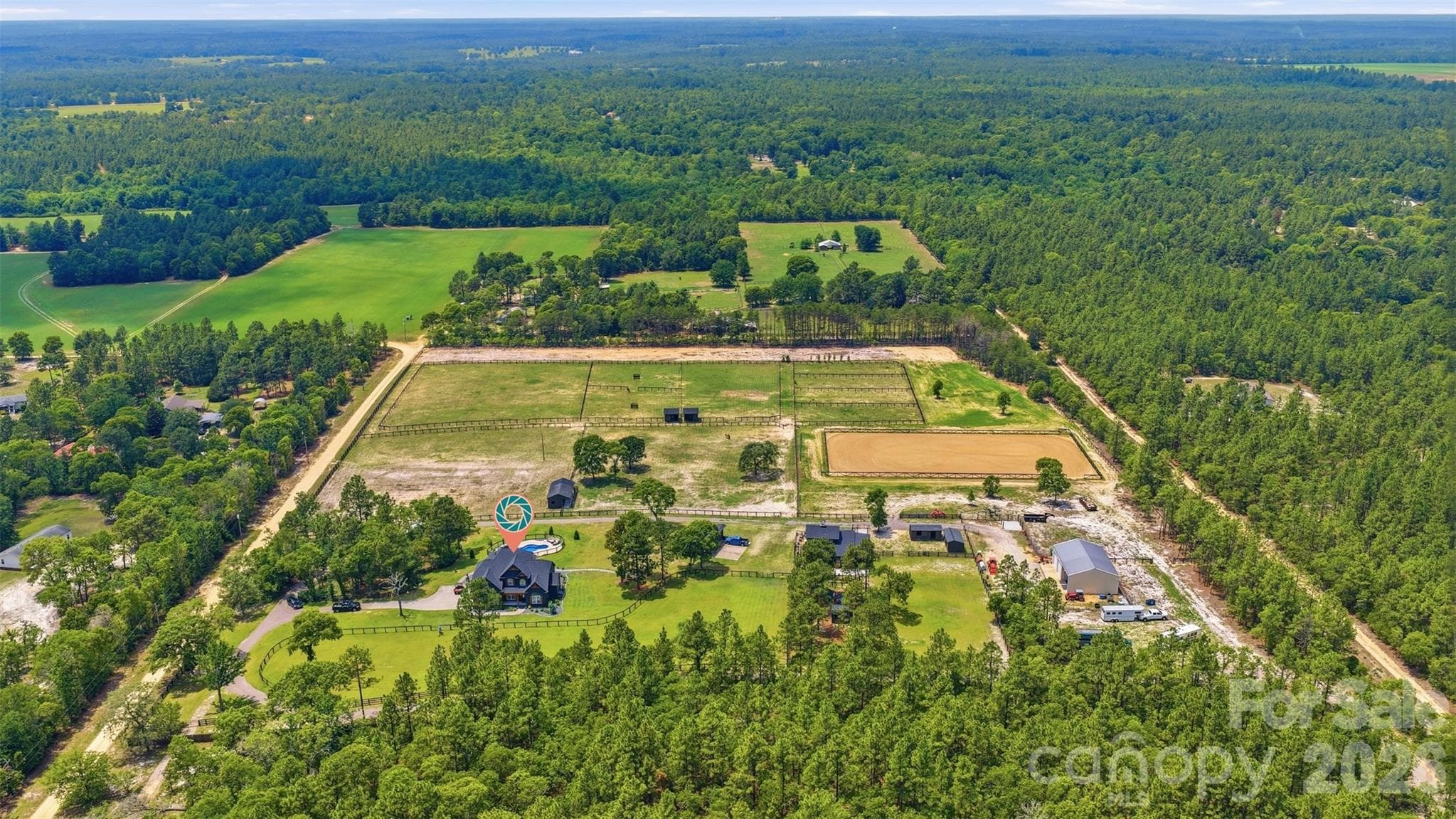
8520 Stock Horse Trail in Windsor, SC is offered at $2,000,000 and represents the high-functioning end of the Carolina equestrian market.
The property includes:
- 16.92 acres in the Aiken-area horse country
- 13 total stalls across the remodeled main barn and additional stall structures
- A new sand-and-fiber arena with proper base construction, perimeter fencing, and irrigation
- Multiple paddocks and pasture enclosures
- A dedicated wash rack and manure-management area
- Guest quarters, a saltwater pool, detached garage, and workshop
The value is in the operational detail. The barns, fencing, footing, water systems, and pasture layout are designed for immediate use rather than years of corrective work. For professional trainers, serious competitors, or buyers seeking a polished equestrian estate, this is the type of property that defines the current turnkey premium.

2. Waxhaw Valley Farm Estate: 10 acres at $925,000
The Waxhaw Valley Farm Estate provides a strong example of the mid-market horse property for sale near Charlotte: approximately 10 acres offered at $925,000 with a residence, barn, fenced pastures, and riding infrastructure.
Waxhaw remains one of the strongest locations for equestrian properties in Charlotte, NC, particularly for buyers who want established horse-country character, access to trails, and proximity to schools and Charlotte employment centers. Ten acres can support a thoughtful pasture rotation plan, a private barn, turnout areas, and a riding arena without creating the maintenance burden of a much larger estate.
Because equestrian listings can change status quickly, buyers should confirm current availability, price, and facility details through our Charlotte-area properties and Waxhaw market page. Our team also tracks off-market opportunities, including farms that owners may consider selling privately before a public launch.
Know the 2026 Charlotte horse farm market by the numbers
Our 2026 Charlotte equestrian market review shows a clear flight toward properties that are ready for horses.
01 , Inventory is approximately 10% higher year over year
More inventory gives buyers additional choices across Waxhaw, Weddington, Mooresville, Matthews, Mint Hill, and surrounding rural corridors. It does not eliminate competition for properties with sound infrastructure.
02 , Turnkey farms average approximately 24 days on market
Functional farms with usable barns, fencing, arenas, drainage, and established pasture systems continue to move quickly when priced correctly.
03 , Turnkey properties command approximately a 15% premium
The premium reflects the cost and complexity of building equestrian infrastructure. A well-designed barn, properly constructed arena, reliable water system, and mature fencing can represent hundreds of thousands of dollars in avoided construction and correction costs.
04 , The most active acreage bracket is 10–20 acres
This range balances pasture rotation, riding space, privacy, and manageable upkeep. It serves first-time farm buyers, established equestrians, families, and small training operations.
05 , Common price segments remain clearly defined
- Hobby farmettes: approximately $400,000–$700,000
- Mid-size horse farms: approximately $700,000–$1.5 million
- Luxury equestrian estates: approximately $2 million–$5 million or more
- Waxhaw luxury estates: approximately $1.5 million–$4.5 million on 2–10 acres
Protect pasture health with disciplined farm management
Owning a horse property means managing a living system. The land, water, footing, fencing, and daily routines must work together.
Rotate grazing before the pasture fails
Divide usable pasture into paddocks and move horses before forage is grazed too short. Build in rest periods for regrowth, and maintain a sacrifice area or dry lot for wet seasons, drought, and intensive use. Rotational grazing reduces mud, protects root systems, and improves long-term carrying capacity.
Test soil before applying amendments
Annual soil testing helps determine pH, phosphorus, potassium, and lime requirements. Pasture fertility directly affects forage quality and farm productivity. Testing also helps buyers understand whether neglected fields require substantial rehabilitation.
Confirm water capacity, not just water presence
A mature horse typically consumes 5–10 gallons of water per day, with higher needs during North Carolina heat, exercise, illness, or lactation. A well producing 5 gallons per minute may support a small operation, but the buyer must verify sustainable yield, recovery rate, pump condition, storage, and peak demand.
Evaluate:
- Number of horses and livestock
- Household and barn use
- Trough placement and freeze protection
- Arena watering requirements
- Backup power and emergency water access
Maintain arena footing on a schedule
Arena performance depends on base construction, drainage, footing depth, moisture, and regular dragging. Maintain consistent moisture during dry weather, remove manure and debris promptly, and monitor areas that become compacted or uneven. A sand-and-fiber arena requires a different maintenance plan from a traditional sand or clay surface.
Create a farm manual
A written farm manual should document feeding, turnout, blanketing, medications, emergency contacts, gate locations, water shutoffs, equipment procedures, manure handling, and veterinary instructions. A clear manual protects horses and provides continuity when owners, staff, or caretakers change.
Buy with equestrian-specific due diligence
A conventional home inspection does not fully evaluate a horse property. Our buying guide and inspection checklist help buyers organize the process.
Prioritize:
- Zoning verification: Confirm livestock rights, minimum acreage, setbacks, barn permissions, boarding rules, and future expansion potential with the correct county or municipality.
- Equestrian inspection: Budget approximately $2,000–$3,000 for a specialist review of barns, stalls, fencing, arenas, drainage, utilities, manure systems, and pasture conditions.
- Water and septic testing: Confirm well flow, water quality, septic capacity, and the location of all lines before relying on existing infrastructure.
- Access and logistics: Evaluate trailer access, road width, emergency vehicle access, hay delivery routes, and distance to veterinarians, trainers, feed stores, and show venues.
- Financing fit: USDA eligibility is address-specific. Most urban Mecklenburg County properties are excluded from USDA rural programs, while rural portions of Union and Iredell counties may qualify. Buyers must verify the exact parcel, household income, primary-residence requirement, and program rules through the USDA eligibility portal. Conventional, jumbo, and Farm Credit financing may provide better options for properties with extensive equestrian improvements.
Choose a community that matches the way you ride
Summit Farms Davidson NC is a roughly 60-acre agrihood with a farm-centered lifestyle, approximately 56 custom homes in The Preserve, gardens, trails, open space, and a future village component. It is not a private horse-farm subdivision. Buyers should view it as a nature-oriented residential community rather than a place to keep horses at home.
Chapel Cove Charlotte NC is a lake-oriented community near Lake Wylie with boating, trails, a pool, clubhouse, and sports amenities. It suits buyers who want a lifestyle base in southwest Charlotte while boarding horses at an off-site facility. It is not a horse farm community.
For competition and recreation, local resources include:
- Carolina Horse Park for recognized eventing, dressage, hunter/jumper, and community programs
- Tryon International for high-level hunter/jumper, dressage, multidisciplinary sport, and equestrian events
- Cane Creek Park, with approximately 1,050–1,100 acres and multi-use trails open to horseback riding
- NC State Equine Veterinary Services for referral medicine, surgery, sports medicine, and emergency care
- Charlotte Equestrian Club for lessons, leasing, clinics, and family-oriented equestrian programming
Prepare a horse farm for a stronger sale
Sellers attract qualified buyers by presenting the farm as an operating equestrian property, not simply a house with outbuildings.
Before listing, our team recommends:
- Repairing gates, fencing, stall hardware, roofs, and wash racks
- Organizing well, septic, survey, permits, and improvement records
- Documenting arena construction, footing type, drainage, and maintenance
- Cleaning barns while preserving practical horse-use features
- Creating a simple pasture and farm-management summary
- Presenting the property during its best season for pasture and landscaping
“Carolina Horse Farm Realty understood that my barn was just as important as my house. They didn’t just see ‘outbuildings’; they saw a professional-grade facility that added immense value to the sale.” , Sarah T., Waxhaw estate seller
That distinction matters. Buyers want to understand how a property functions, and sellers deserve representation that recognizes the value of thoughtful pasture management, drainage, footing, and barn design.
Move forward with a horse-first search
Whether you are comparing Charlotte horse farms, evaluating a 10-acre Waxhaw estate, or preparing a specialized property for sale, our team brings deep knowledge of equestrian real estate in North Carolina. Review current listings, identify your acreage and discipline requirements, and contact Carolina Horse Farm Realty to begin the next step.
Frequently asked questions about Charlotte equestrian real estate
What is the Charlotte horse farm market like in 2026?
Charlotte-area equestrian inventory is approximately 10% higher year over year. Turnkey farms average about 24 days on market and command an estimated 15% premium. The most active acreage range is 10–20 acres, with pricing from hobby farmettes under $700,000 to luxury estates above $2 million.
What is the difference between Summit Farms Davidson NC and Chapel Cove Charlotte NC?
Summit Farms Davidson NC is a farm-centered agrihood with gardens, trails, open space, and custom homes. It is not a private horse-farm subdivision. Chapel Cove Charlotte NC is a lake-oriented community near Lake Wylie. It works well for buyers who plan to board horses off-site.
What should a horse property inspection include?
A specialist should evaluate stalls, barn structure, roofs, electrical systems, waterers, fencing, gates, arena base and footing, drainage, pasture condition, manure handling, well capacity, septic systems, and trailer access. Buyers should budget approximately $2,000–$3,000.
How much acreage do I need for horses near Charlotte?
Ten to twenty acres is the most active range because it supports pasture rotation, turnout, an arena, a barn, and privacy. The correct acreage depends on soil, forage quality, stocking rate, management practices, and whether hay is supplemented.
Can I use a USDA loan for a Charlotte-area horse property?
USDA eligibility depends on the exact address, household income, and primary-residence requirements. Most urban Mecklenburg County properties are ineligible, while rural areas of Union and Iredell counties may qualify. Confirm eligibility through USDA and a participating lender before making an offer.