As horse property specialists in the Charlotte Metro area, we understand that finding the right equestrian estate isn't just about square footage or school districts: it's about land quality, barn design, pasture management, and proximity to riding communities. That's why we're launching a comprehensive content series designed specifically for serious equestrian buyers and sellers who need real, actionable information about horse farms in our region.
Why Long-Tail Content Matters for Equestrian Real Estate
Generic property searches won't cut it when you're looking for a working horse farm. You're not just typing "homes for sale" into a search engine: you're researching "horse farms with indoor arenas in Waxhaw" or "equestrian zoning regulations in Union County." These specific, long-tail searches reveal serious intent, and they deserve equally serious answers.
Over the next several months, we're publishing 30 in-depth guides covering every aspect of buying, selling, and maintaining horse properties in the Charlotte area. Each post targets the specific questions you're actually asking.
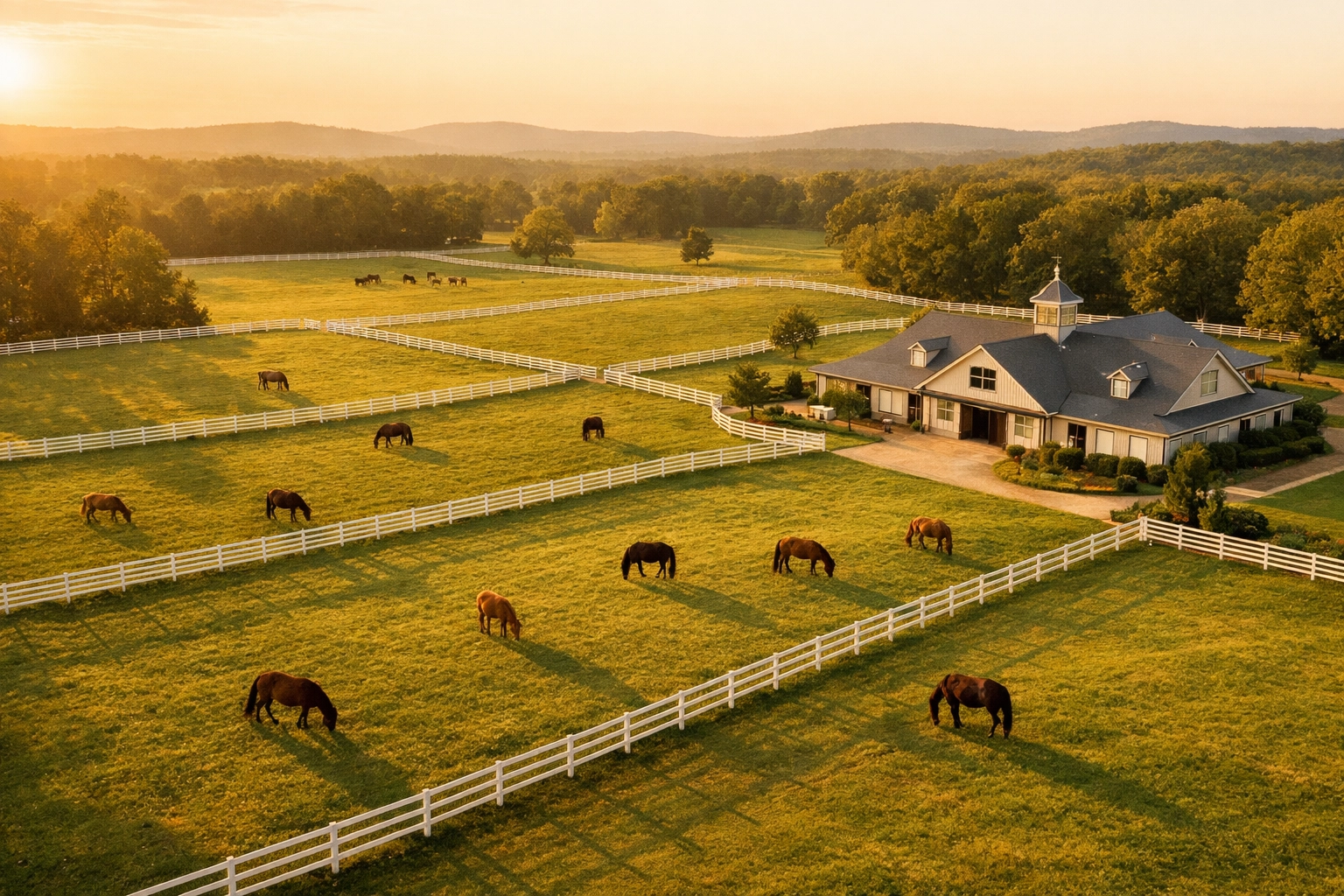
Geographic Guides: Finding Your Perfect Equestrian Community
The Charlotte Metro encompasses diverse equestrian communities, each with distinct advantages. Our location-specific guides break down what makes each area special:
Waxhaw remains the crown jewel of Charlotte horse country, with established equestrian infrastructure and a true horse-town culture. Weddington offers upscale equestrian estates with excellent schools and easy highway access. Marvin has emerged as the luxury option, where high-end custom barns meet modern estate living.
Cross the state line into York County, SC, and you'll find larger acreage at more accessible price points, with lower property taxes and a growing equestrian community. Mooresville attracts both horse and motorsports enthusiasts with its lake access and rural character. Tryon needs no introduction to serious riders: the international equestrian center has solidified its status as a destination location.
For those seeking the best of both worlds, Huntersville and Davidson offer equestrian properties within 30 minutes of Uptown Charlotte. Harrisburg is experiencing significant growth as families discover its combination of land availability and excellent schools. Monroe provides large-acreage options with privacy and room to expand.
Each of these locations has unique zoning regulations, soil conditions, and community characteristics that impact your horse property experience. Our detailed guides examine these factors with the specificity you need to make informed decisions.
Essential Infrastructure: Building and Maintaining Your Horse Property
Buying the land is just the beginning. Understanding what makes a functional, efficient horse property requires knowledge that goes beyond standard real estate expertise.
Indoor riding arenas transform how you train and ride, especially during North Carolina's humid summers and unpredictable winters. We explore sizing requirements, footing options, and realistic budgets for both construction and retrofitting existing structures.
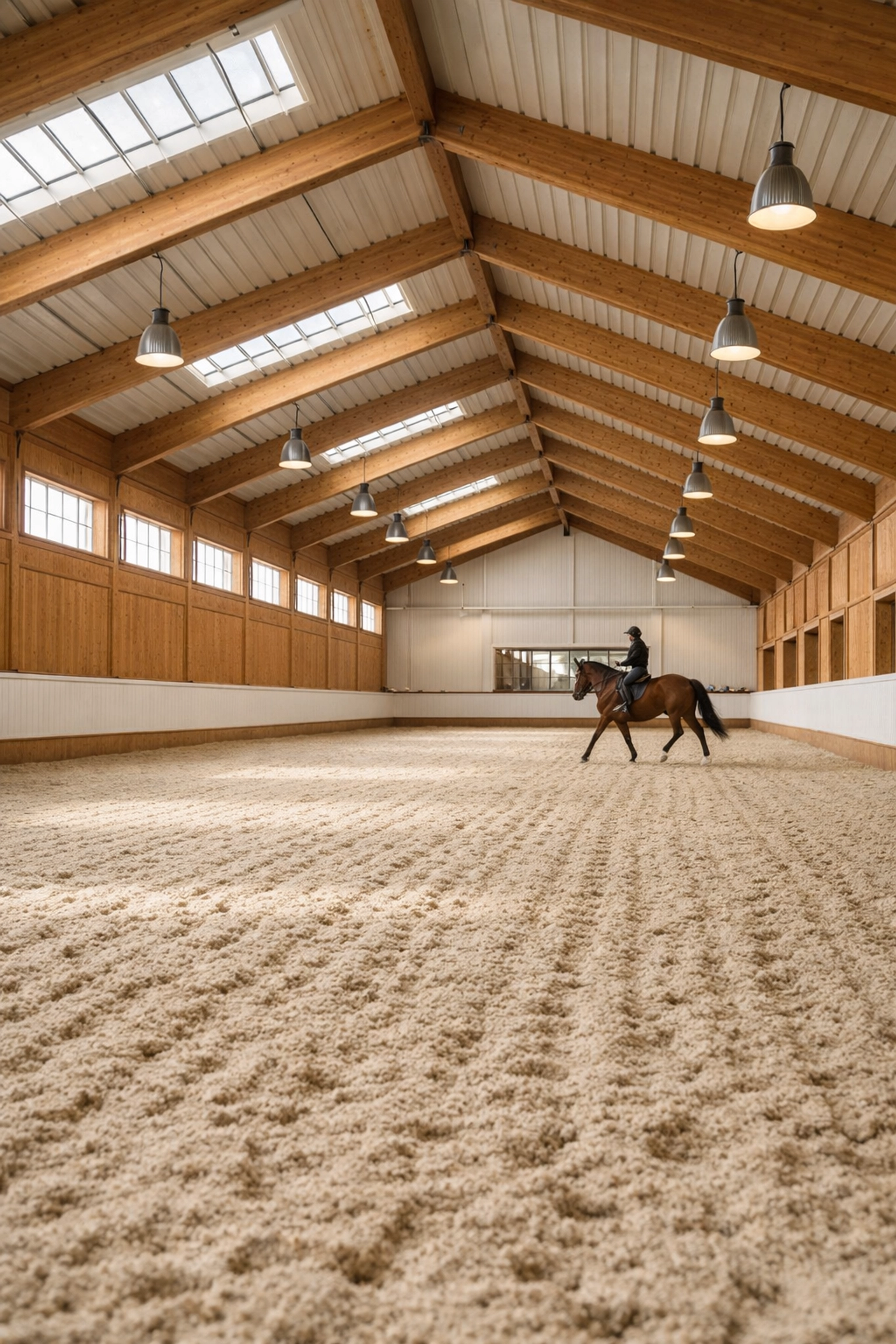
Barn layout directly impacts your daily efficiency and horse safety. Our guide examines aisle width, stall sizing, feed room placement, and wash rack considerations specific to North Carolina climate and common management styles.
Pasture management in the Piedmont region requires understanding our clay-heavy soils, summer heat stress, and fescue toxicity concerns. We cover rotation strategies, over-seeding schedules, and realistic stocking rates for our region.
Fencing decisions involve balancing safety, durability, aesthetics, and budget. We compare board fence, wire options, and specialized horse fencing, including how HOA restrictions might impact your choices in different areas.
Drainage solutions prevent the mud management nightmares that plague poorly planned properties. Charlotte's heavy clay soils and afternoon thunderstorms demand thoughtful grading, French drains, and sacrifice area management.
Property Features That Add Real Value
When evaluating horse properties, certain features consistently add value and functionality:
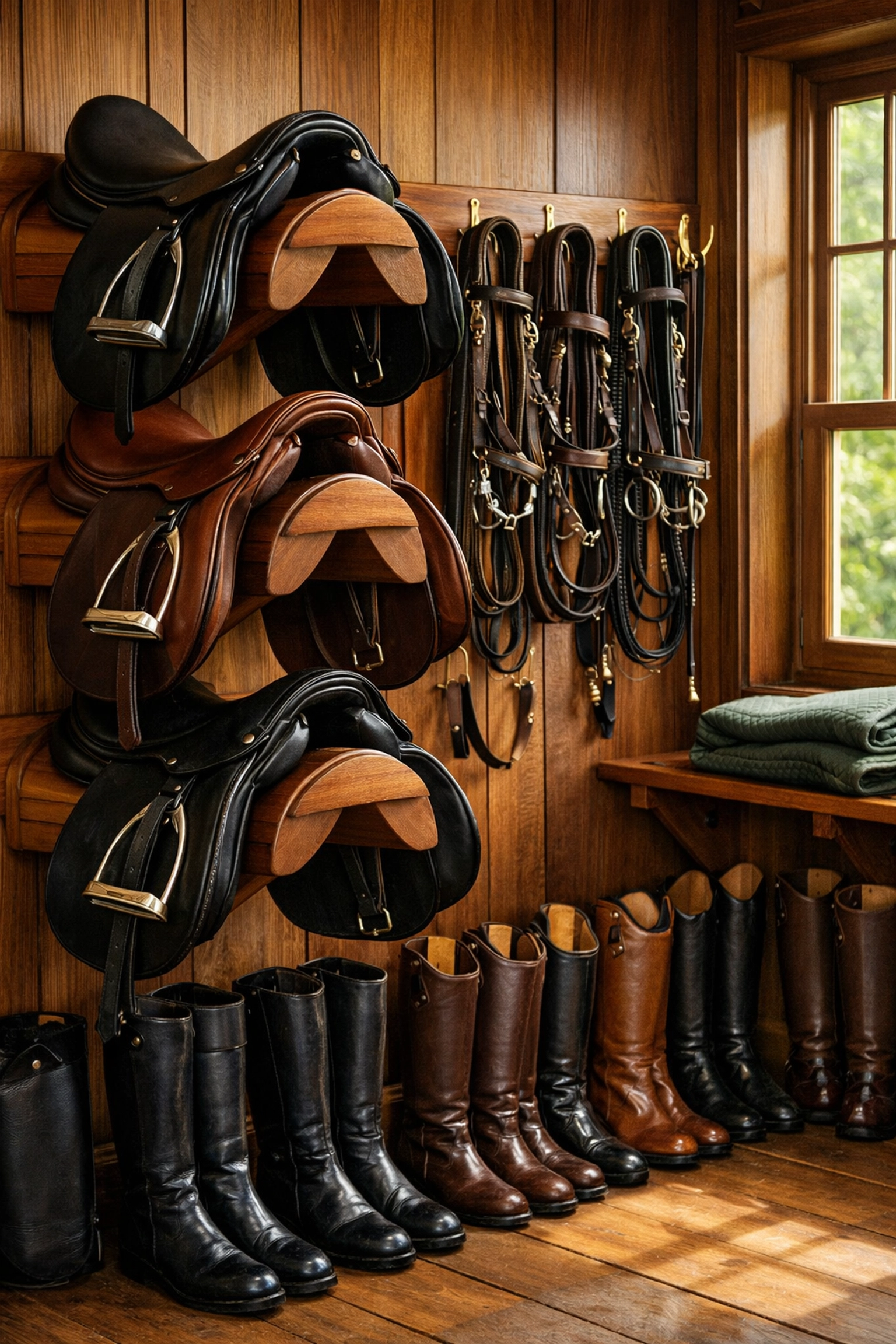
Well-designed tack rooms protect expensive equipment and streamline your daily routine. Our guide covers climate control, organization systems, and security considerations.
Proper hay storage protects your winter feed investment from moisture and mold: critical concerns in North Carolina's humidity. We examine barn bay configurations, separate hay buildings, and creative solutions for smaller properties.
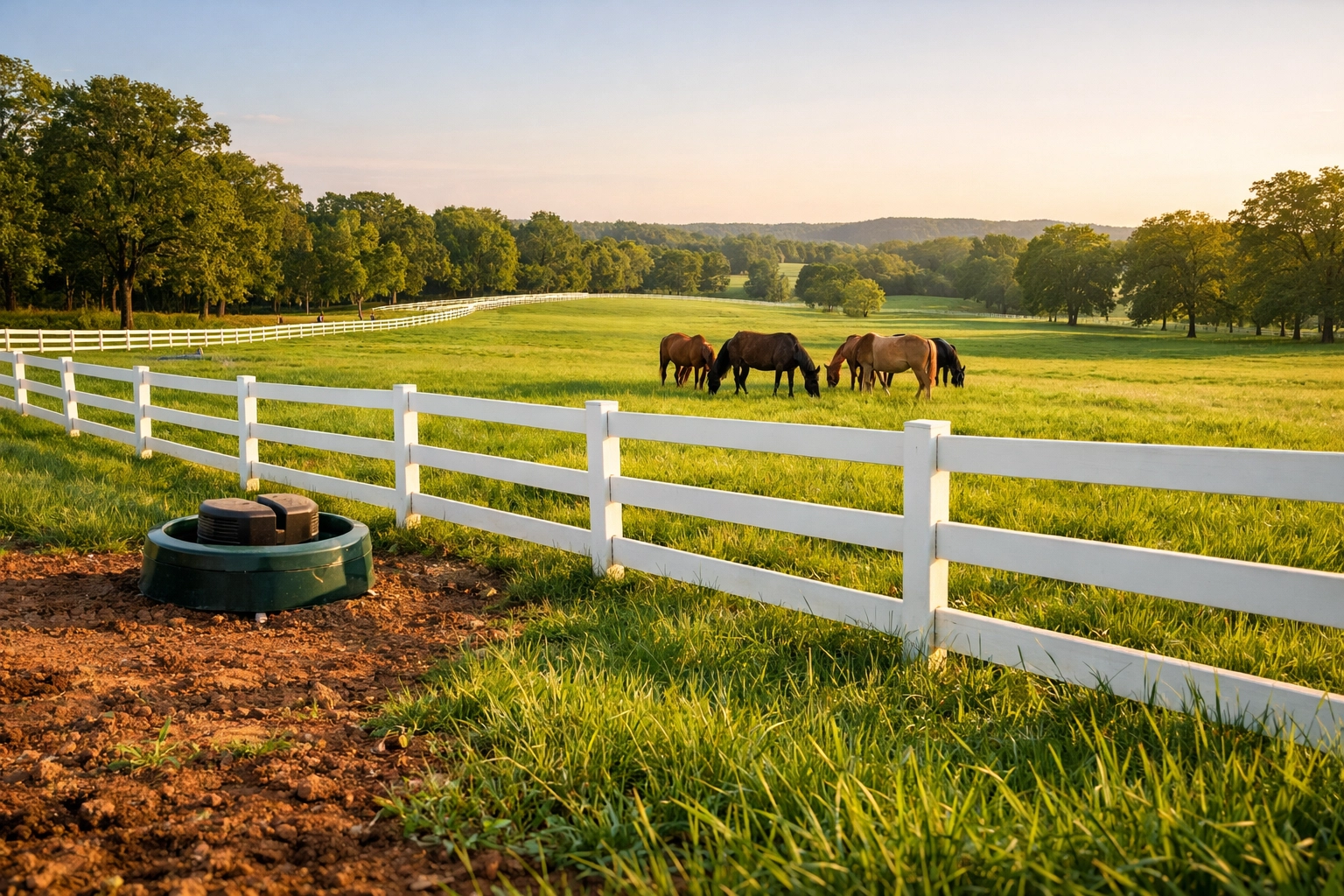
High-end stable design goes beyond aesthetics to incorporate ventilation systems, matting options, automatic waterers, and stall front selections that enhance both horse health and property value.
For First-Time Buyers: Starting Your Search With Confidence
Buying your first horse property feels overwhelming. Our comprehensive first-time buyer guide walks through the entire process: setting realistic budgets that include both purchase and maintenance costs, identifying must-have versus nice-to-have features, and understanding the true costs of property ownership.
Zoning regulations vary dramatically across jurisdictions. Mecklenburg County has different requirements than Union County or York County, SC. Our detailed guides explain minimum acreage requirements, allowable structures, commercial boarding restrictions, and how to navigate the permitting process.
Property inspections for equestrian estates require specialized attention. We outline the critical items to examine: well and septic systems, barn electrical, fencing integrity, pasture drainage, and potential soil contamination issues that standard home inspectors might miss.
Financial Considerations and Market Intelligence
Specialized financing for equestrian properties differs from conventional home mortgages. Our guide covers USDA rural development loans, farm loan programs, and lenders who understand the unique appraisal challenges of horse properties.
The 2026 Charlotte equestrian market shows interesting trends: increased demand for move-in-ready facilities, growing interest in properties under 10 acres that still allow horses, and premium pricing for locations near public trail access.
Tax benefits available to working horse farms can significantly impact your bottom line. We explain North Carolina's Present Use Value program, agricultural exemptions, and documentation requirements to maintain these benefits.
For Sellers: Positioning Your Property Strategically
Selling a horse property requires different strategies than conventional real estate. Our seller-focused guides approach the process with empathy: we understand you're not just selling a house; you're transitioning away from a lifestyle and land you've carefully stewarded.
Staging your horse farm means presenting both the residence and equestrian facilities in optimal condition. We cover seasonal timing considerations, which upgrades provide return on investment, and how to highlight the features that serious equestrian buyers prioritize.
Manure management systems demonstrate to buyers that the property is well-maintained and operationally sound. Our guide covers composting systems, removal services, and spreader options for different property sizes.
Community Resources and Lifestyle Integration
The Charlotte equestrian community extends beyond property lines. Our guide to public riding trails near Charlotte maps out Lake Norman State Park, Anne Springs Close Greenway, and other accessible trail systems that enhance your horse property's value.
Training facilities dot the region, from hunter/jumper barns to western performance centers. Whether you're a professional seeking boarding and training operations or planning retirement with recreational riding, we help you understand the landscape.
The Authority in Charlotte Equestrian Real Estate
These 30 guides represent our commitment to serving the Charlotte equestrian community with depth and authenticity. We're horse people first, which means we understand that pasture quality matters more than granite countertops, that barn layout impacts your daily quality of life, and that finding the right equestrian community is about far more than proximity to amenities.
Each article in this series delivers actionable information drawn from years of specializing in horse property transactions across the Charlotte Metro area. Whether you're searching for your dream farm, preparing to sell, or simply exploring what's possible, these resources provide the foundation for confident decision-making.
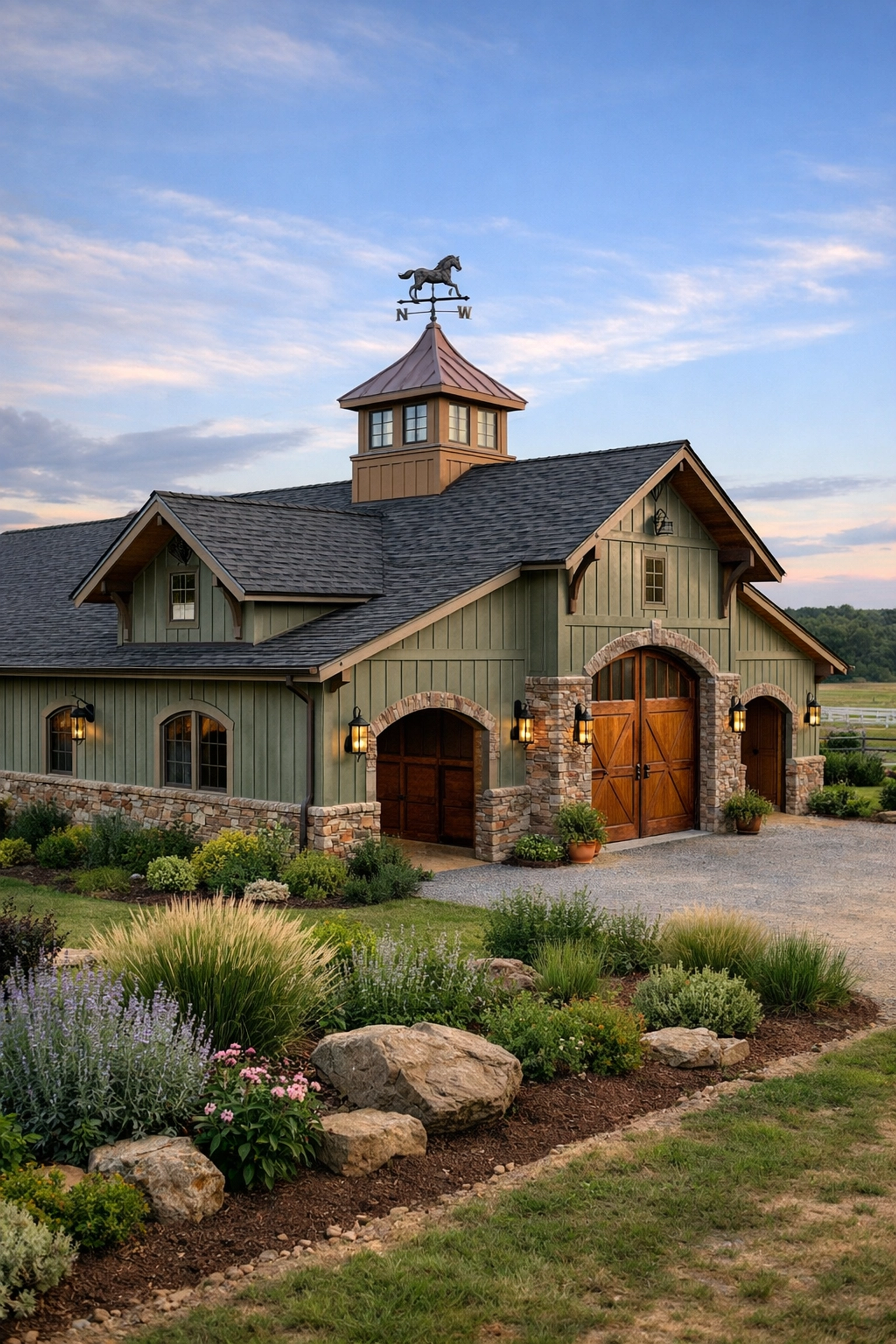
The Charlotte region offers exceptional opportunities for equestrian living: from established horse communities to emerging areas with room to grow. Our goal is to ensure you have the knowledge to find exactly what you need.
Visit our properties page to explore current horse farm listings, or contact us to discuss your specific equestrian real estate needs. We're here to help you navigate every aspect of buying or selling a horse property in the Charlotte area.