Your Complete Guide to Equestrian Living in the Charlotte Metro
The Charlotte Metro area has quietly become one of the most sought-after equestrian destinations on the East Coast. From the rolling pastures of Waxhaw to the established horse country of Tryon, this region offers something for every horse person: whether you're searching for your first five-acre starter property or a turnkey training facility with an indoor arena.
We've created this comprehensive content series to answer the questions you're actually asking. Not generic real estate advice, but specific, boots-on-the-ground information about horse property in our region. This is horse person to horse person: the details that matter when your barn design, pasture rotation, and county zoning regulations directly impact your daily horse care routine.
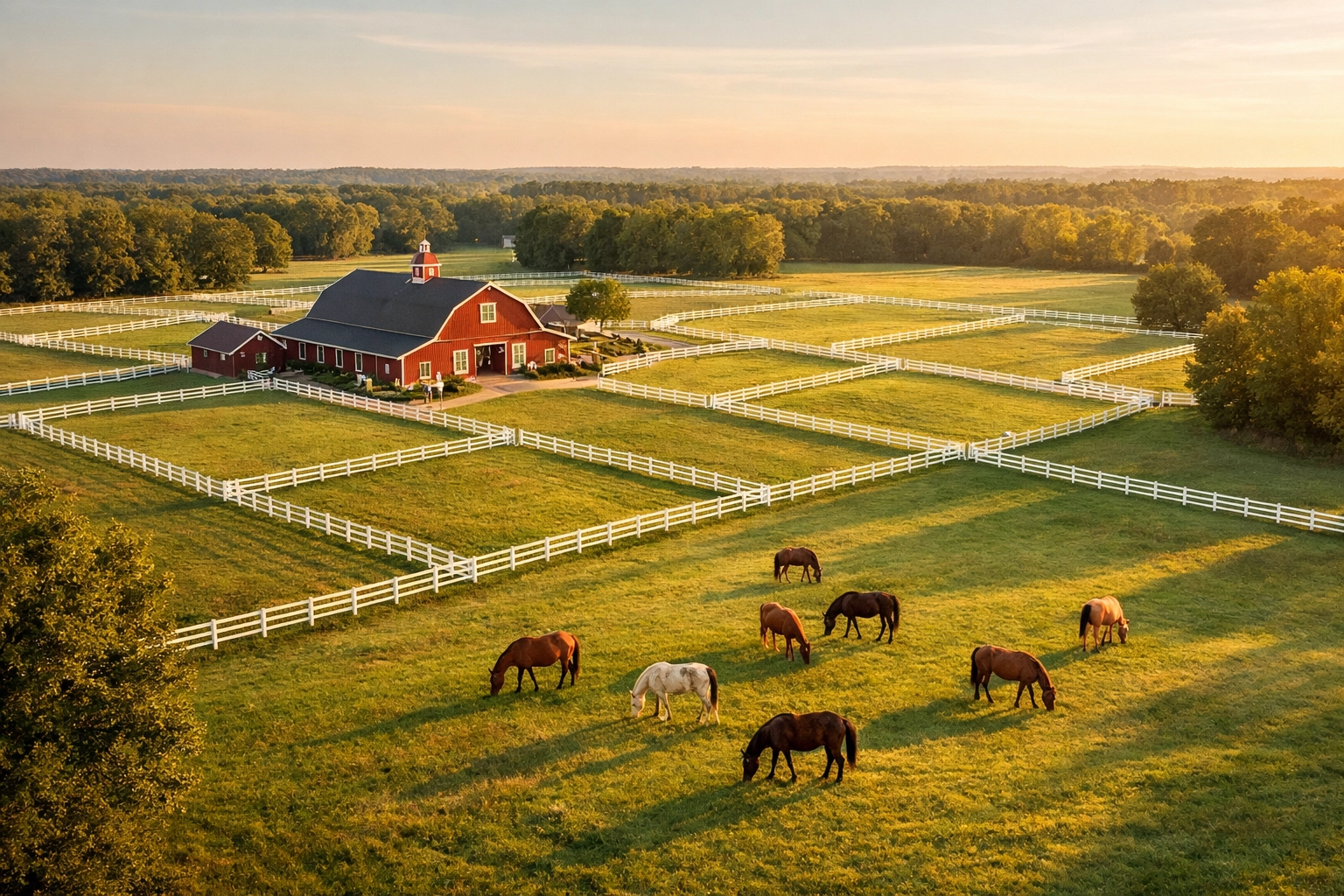
What You'll Find in This Series
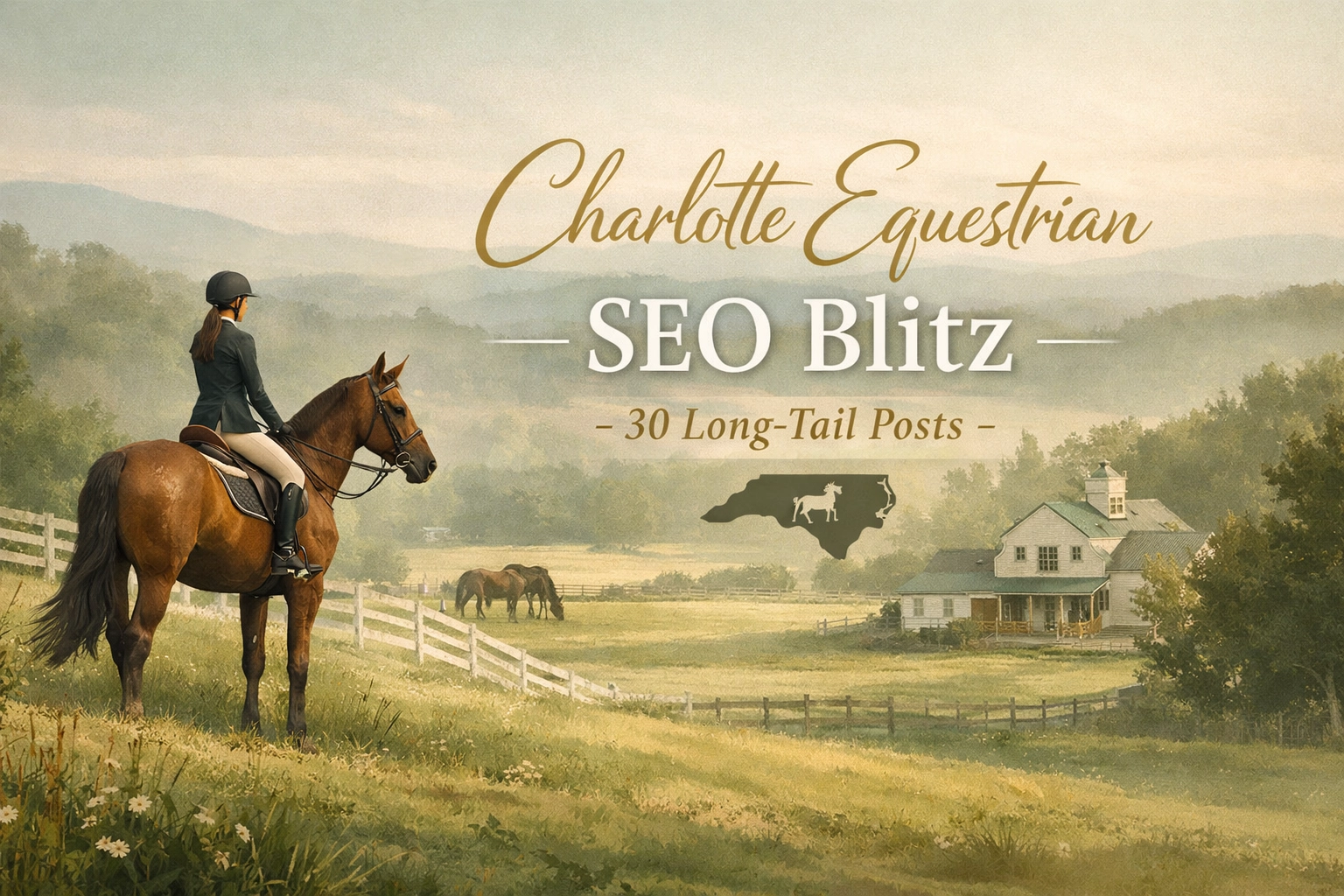
Over the next several weeks, we're publishing 30 in-depth guides covering three essential categories: location-specific market insights, property features and farm management, and buying and selling strategy. Each post addresses the long-tail questions we hear from clients every week: the specific searches you're making at 10 PM after evening barn check, when you're seriously evaluating whether this horse property thing can actually work.
Location Guides: Finding Your Perfect Equestrian Community
The Charlotte Metro isn't one homogeneous market. Waxhaw offers completely different opportunities than Mooresville, and what works in Union County may not be possible in Mecklenburg. Our location-specific guides break down:
Waxhaw, NC has emerged as the epicenter for serious horse operations. With relaxed county regulations, affordable large acreage, and an established equestrian community, it's where many trainers and boarding facilities choose to build. We'll cover why this area consistently delivers value for horse property buyers.
Weddington appeals to buyers wanting equestrian life within reach of uptown Charlotte. The zoning allows horses, the properties offer privacy, and you're still 30 minutes from the city. It's the sweet spot for families balancing careers with horse ownership.
Marvin, NC represents the luxury end of the market: custom estates with professionally designed stables, manicured paddocks, and homes that rival anything in Myers Park. We'll explore what makes these properties special and who they're designed for.
York County, SC just across the state line provides more acreage per dollar, different tax structures, and a strong horse community. Many Charlotte-based equestrians have discovered this area offers exceptional value.
Mooresville near Lake Norman brings a different dimension: waterfront horse properties are rare, and this market serves buyers wanting both equestrian amenities and lake access. We'll explain the unique considerations here.
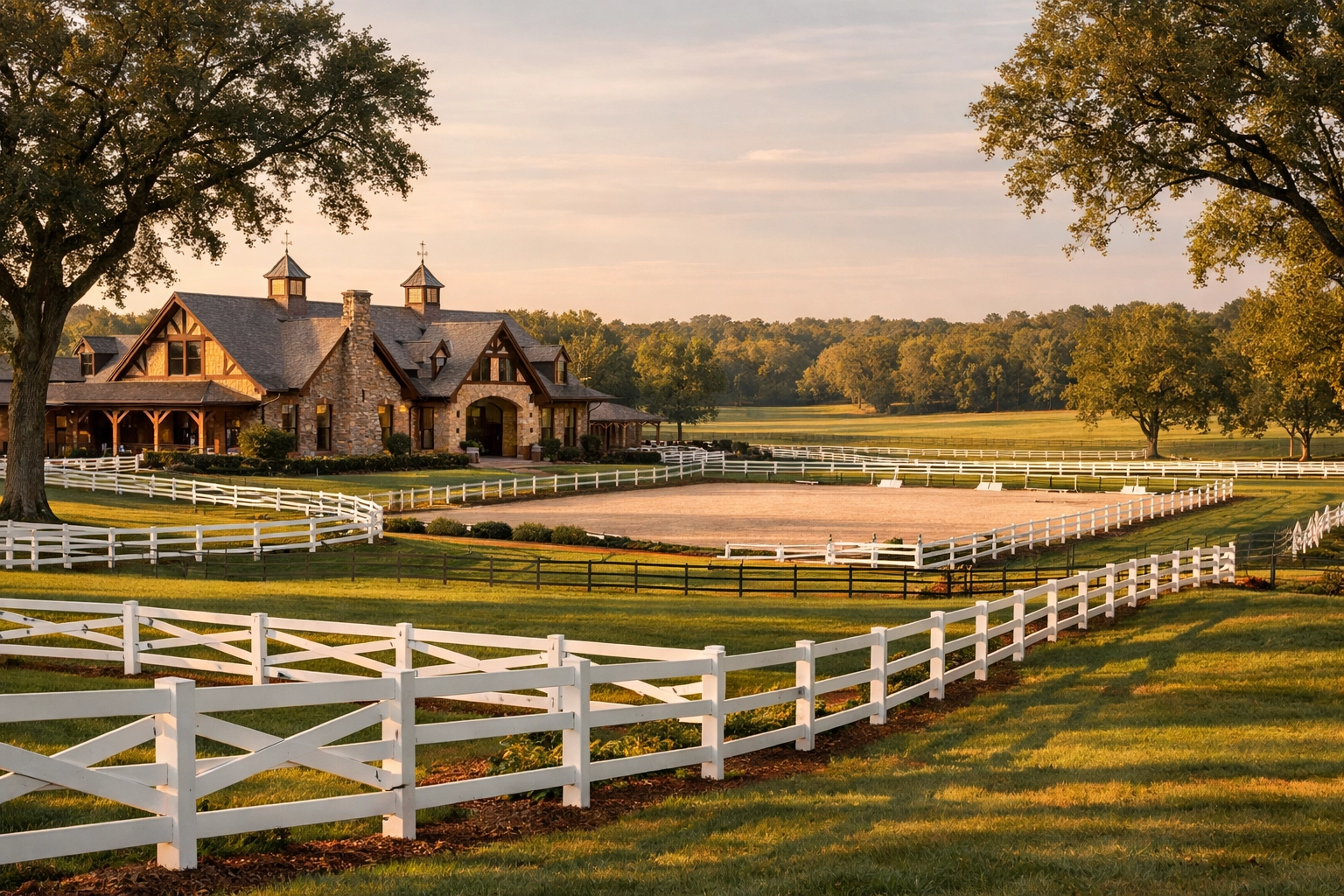
Tryon remains North Carolina's most established horse destination. Even with premium pricing, it delivers unmatched equestrian infrastructure and community. Our guide covers whether Tryon still makes sense for buyers in 2026.
Additional location guides will cover Huntersville, Davidson, Harrisburg, and Monroe: each with distinct characteristics, zoning regulations, and market dynamics that directly impact your property search.
Property Features: Building and Managing Your Equestrian Facility
Buying horse property means evaluating factors that standard residential buyers never consider. Our technical guides address the infrastructure and management systems that define successful equestrian properties:
Indoor Riding Arenas represent a significant investment, but they transform your training capability. We'll break down construction costs, design considerations, and whether this feature makes financial sense for your operation.
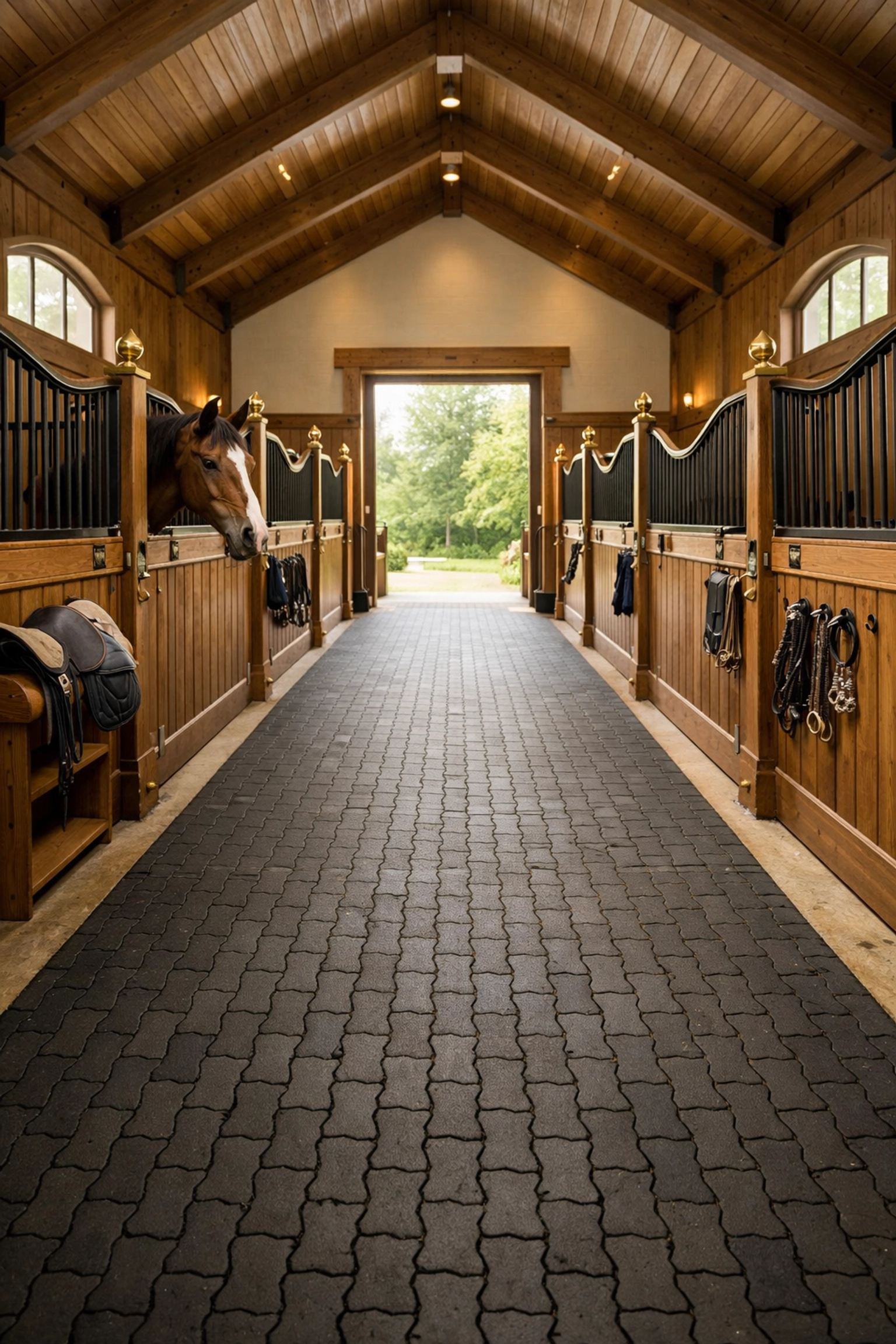
Barn Layouts and Stable Design directly impact your daily efficiency and horse safety. From stall dimensions to aisle width to ventilation systems, proper design prevents problems before they start.
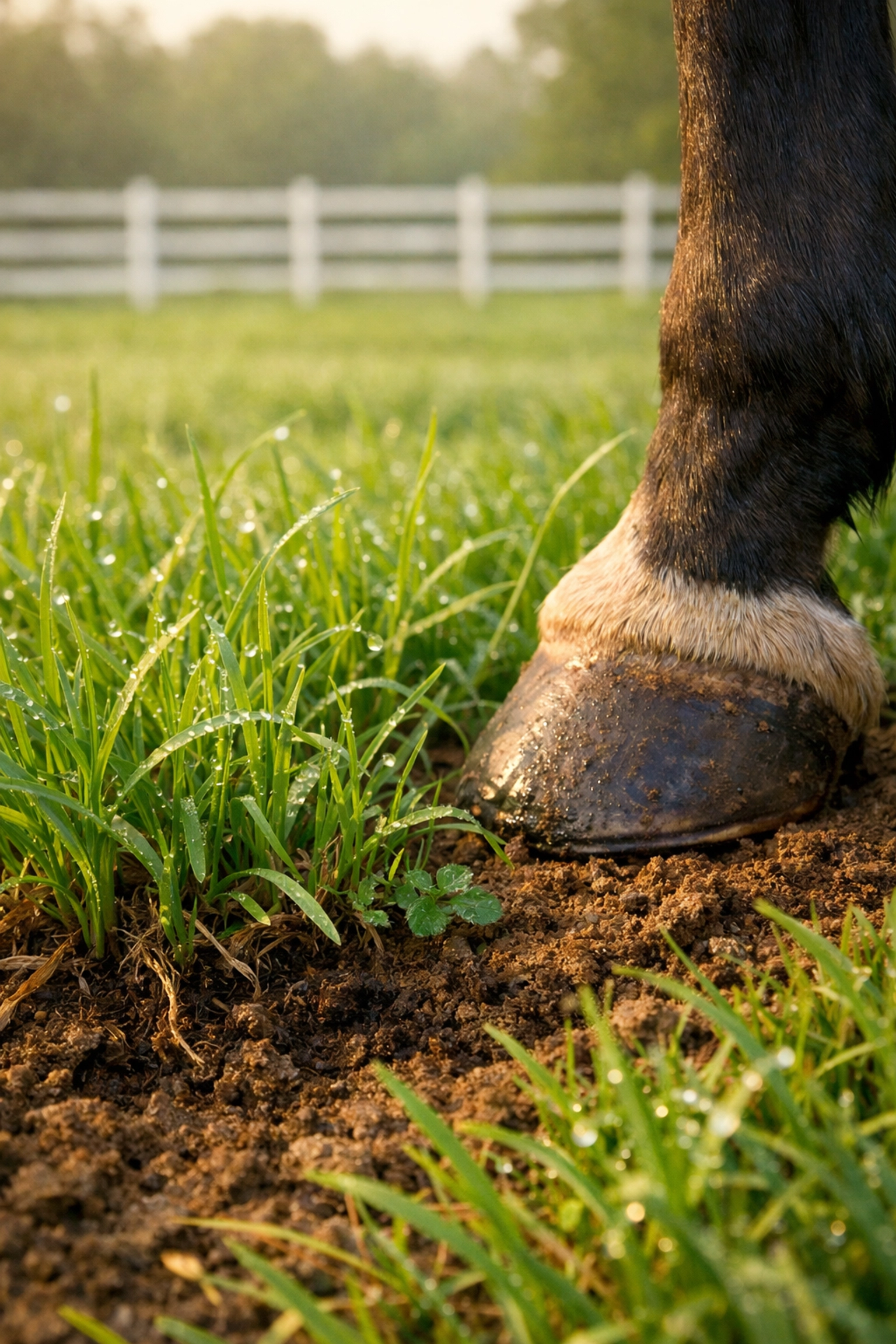
Pasture Management in North Carolina requires understanding our soil types, grass varieties, and rotation strategies. Overgrazing destroys land value: we'll show you how to maintain healthy pastures year-round.
Fencing Options range from traditional wooden board to high-tensile wire to synthetic materials. Each choice balances safety, aesthetics, maintenance, and cost. We'll help you evaluate what works for your situation.
Drainage Solutions prevent the muddy sacrifice areas and flooded paddocks that plague poorly planned properties. Proper drainage isn't glamorous, but it's fundamental to any successful horse farm.
Manure Management systems must comply with local regulations while handling the daily reality of horse waste. We'll cover practical solutions for small backyard barns and larger breeding operations.
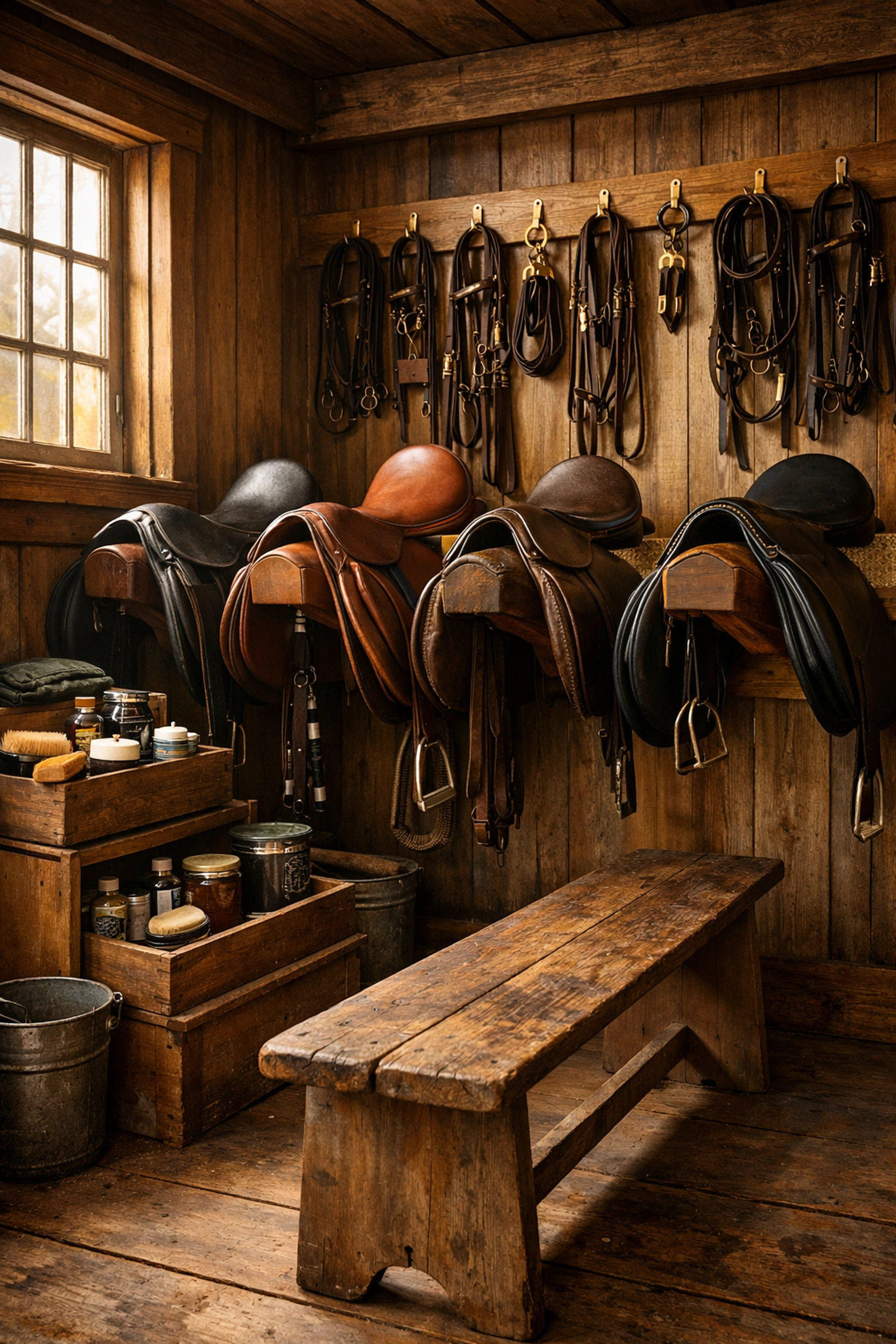
Additional guides cover tack room organization, hay storage, trail access, and the high-end stable features that distinguish luxury equestrian estates from basic horse properties.
Buying and Selling Strategy: Navigating the Equestrian Real Estate Market
Horse property transactions require specialized knowledge. Standard residential real estate practices don't account for the unique considerations of equestrian estates. Our strategic guides address:
First-Time Horse Farm Buyers need a framework for evaluating properties beyond the standard home inspection. What questions should you ask? What red flags matter most? We'll walk you through the process.
Zoning Regulations vary dramatically by county. Mecklenburg County has different rules than Union County. We'll decode what you can actually do on horse property in each jurisdiction: before you make an offer.
Specialized Financing options exist for equestrian estates, but many buyers don't know they're available. Agricultural loans, land development financing, and portfolio products can make deals work that conventional mortgages can't support.
Staging Your Horse Farm for sale requires different thinking than residential staging. Buyers want to see a working facility, not a stripped-down property. We'll show sellers how to present their farms effectively.
Home Inspections for Horse Properties must evaluate barns, fencing, pasture drainage, septic capacity for large water usage, and electrical systems handling barn loads. Standard inspectors miss critical issues.
Tax Benefits of agricultural use, present use value assessment, and working farm designations can dramatically reduce your property tax burden. We'll explain what qualifies and how to maintain status.
The 2026 Market brings specific trends: shifting interest rates, changing buyer demographics, and evolving preferences in equestrian property features. We'll analyze what's happening now in Charlotte Metro.
Soil Testing before purchase reveals whether land can support healthy pastures or requires significant amendment. This $200 test can save you tens of thousands in post-purchase remediation.
How to Use This Content Series
Each guide in this series stands alone: you don't need to read them sequentially. Start with the topics that match your current situation:
Actively searching for property? Begin with our location guides for the areas you're considering, then move to the buying strategy posts.
Already own a horse farm? Our management and infrastructure guides provide actionable information for improving your current operation.
Thinking about selling? Our seller-focused content addresses staging, timing, and positioning your property for maximum value.
Just researching possibilities? The location and lifestyle guides will help you understand what's actually available in different price ranges and areas.
The Horse Person First Approach
This series reflects how we work with clients: as horse people who happen to be real estate professionals, not the reverse. We understand that your barn layout matters more than your kitchen backsplash. That pasture drainage affects your daily routine more than the master bathroom tile. That county zoning regulations governing the number of horses you can keep are more important than HOA covenants about lawn maintenance.
Every guide in this series provides specific, actionable information. No generic real estate clichés. No pressure to "buy now before rates change." Just the detailed knowledge you need to make informed decisions about equestrian property in the Charlotte Metro area.
Whether you're currently in the market or planning for a future move, this content series serves as your comprehensive resource for understanding horse property in our region. We'll be publishing new guides throughout the coming weeks: covering everything from the practical realities of small acreage horse keeping to the sophisticated infrastructure of high-end training facilities.
The Charlotte Metro equestrian market offers exceptional opportunities in 2026. You just need the right information to navigate it successfully. That's what this series delivers: from people who understand that horse care comes first, and everything else follows from there.
Ready to explore specific topics? Browse our complete blog archive as we publish each guide, or reach out directly if you have questions about your specific situation. We're here to help you find the right property, manage it successfully, or position your current farm for sale when the time comes.