Carolina Horse Farm Realty helps equestrians buy and sell horse farms, equestrian estates, and land across the Charlotte Metro and the Carolinas.
Start with a notable Davidson equestrian estate
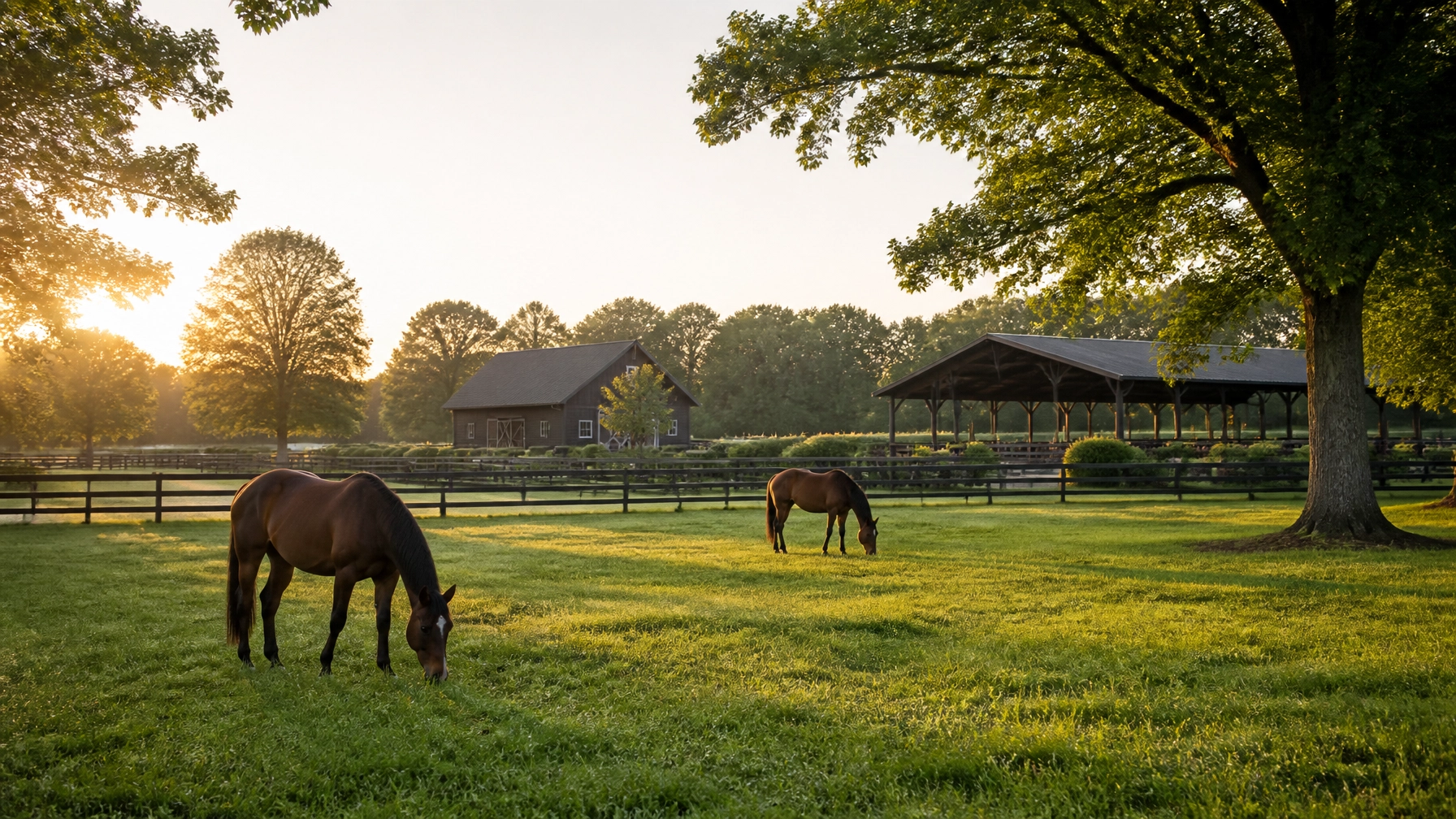
For buyers seeking an established farm rather than a blank canvas, 10600 Archer Road in Davidson is a standout property to watch. Listed at $4 million when reviewed, the approximately 58-acre estate includes a climate-controlled 10-stall stable, indoor and outdoor arenas, fenced pastures, paddocks, trails, and a separate guest or caretaker residence. The listing also describes potential agricultural, equestrian, and income-producing uses, subject to buyer verification and governmental approval.
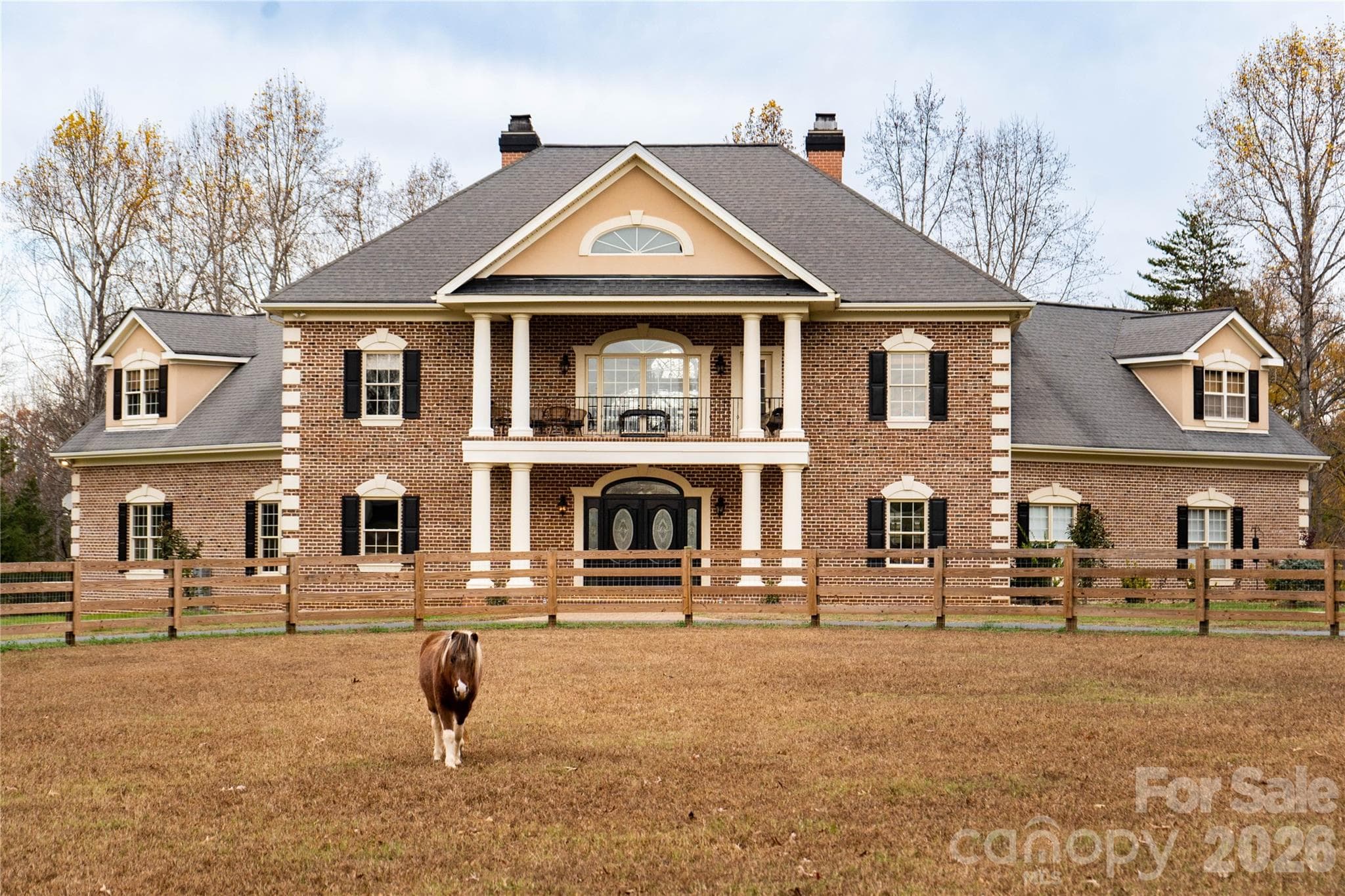
View the Davidson estate details. Listing status and terms can change; confirm current availability before making plans.
A second useful reference is 815 French Belk Road in Mt. Ulla, a former training center with 20 stalls, indoor and outdoor riding areas, turnout, and more than 17 acres. It was marked under contract when reviewed, so it is not presented as an available property. Its infrastructure shows the range of facilities buyers may encounter when comparing training operations with private farms.
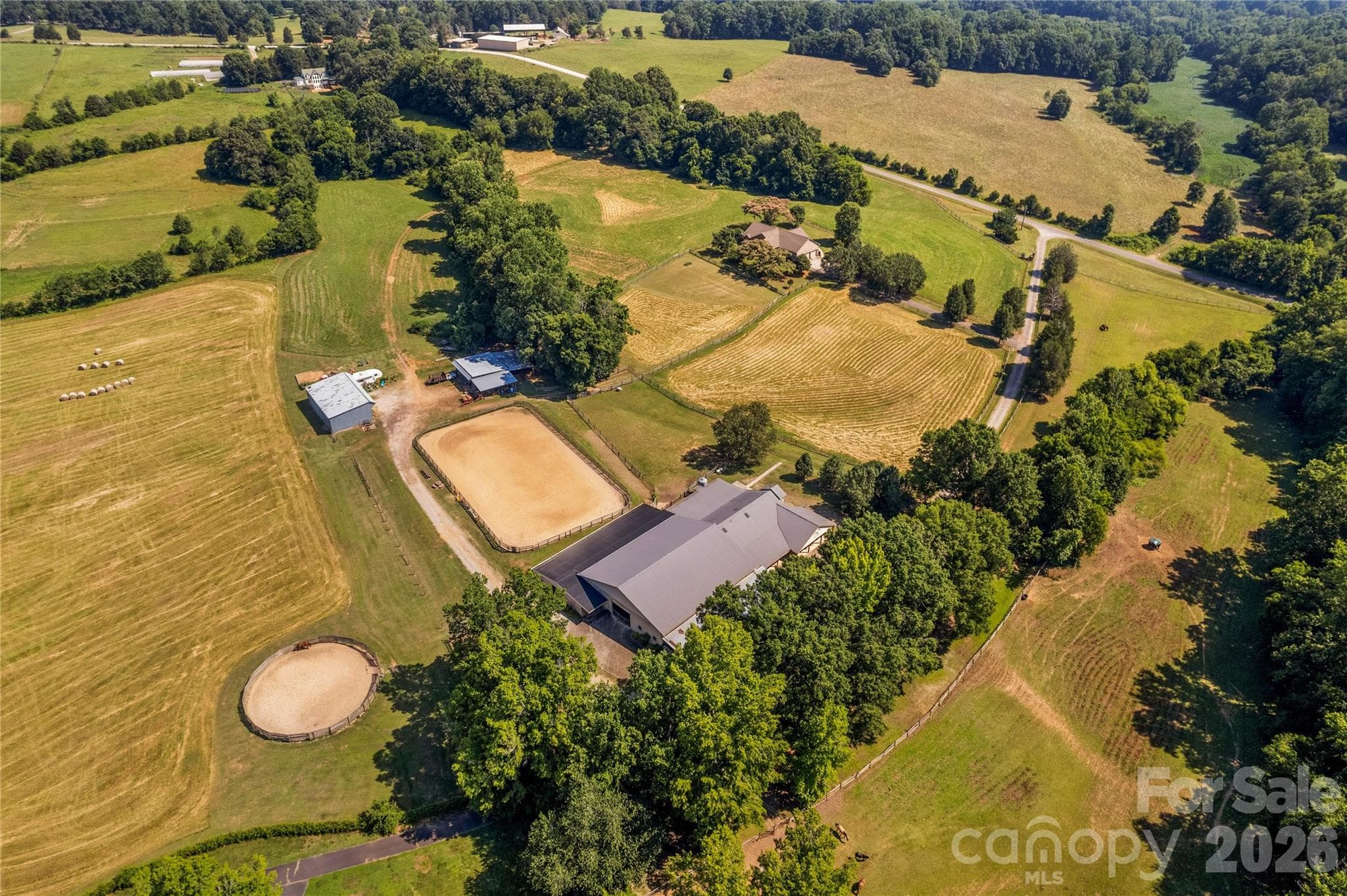
Our team has helped sell 150+ properties, brings 15+ years of experience, and serves 11 cities. That experience matters when a property’s value depends not just on the house, but on usable pasture, sound fencing, water capacity, barn flow, and riding facilities.
Read the fall market with the right context
The latest regional data points to more choice and a measured pace, not a simple read-through for every horse farm.
1. 13,558 homes were in regional inventory in September, up 5.7% year over year.
2. The regional median sale price was $392,990, down 0.5% year over year.
3. Closed sales fell 10.1%, while months of supply rose from 3.5 to 3.8.
These figures from the Canopy Realtor Association’s September report cover a broad 16-county region and all home types. They are useful market context, not horse-farm-specific pricing data. Equestrian properties are a smaller, highly varied segment, and a home-market median cannot account for acreage, arenas, stall count, footing, or permitted use.
For buyers, more regional inventory supports careful comparisons and thorough inspections. For sellers, it reinforces the value of clear pricing, documented improvements, and a property presentation that explains how the land and facilities function. Our team evaluates horse properties on their own merits, not by applying a neighborhood home statistic to a specialized farm.
Keep autumn pasture and facilities ready for winter
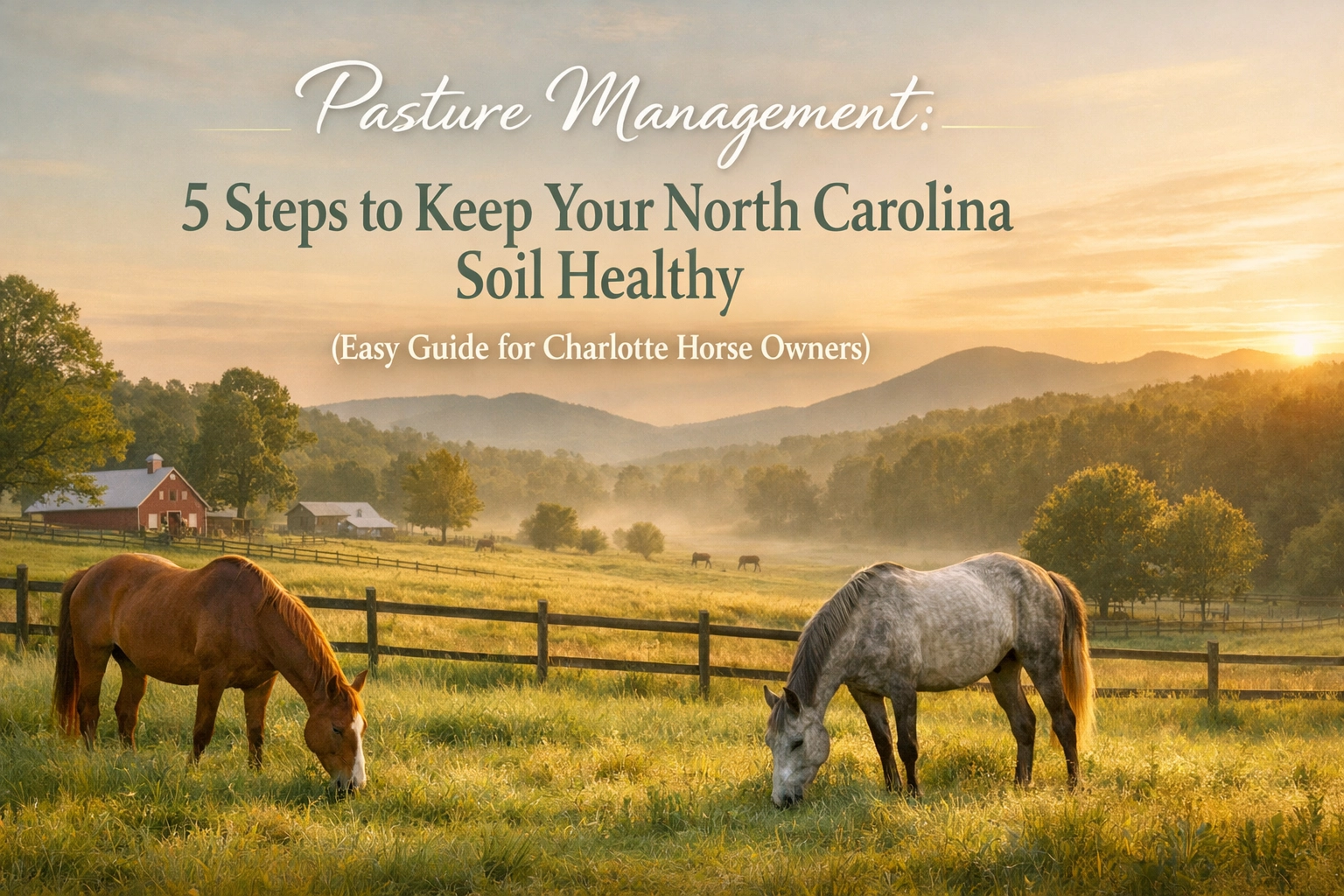
Late October is a practical time to review soil, drainage, fencing, water, and forage before winter weather puts added pressure on the farm.

Use this fall checklist as a starting point:
- Test the soil before applying amendments. Collect representative samples and follow the results for lime and fertilizer rather than guessing. Contact your local N.C. Cooperative Extension office for county-specific guidance.
- Protect pasture during slow growth. Rotate turnout, leave adequate grass cover, and move horses to a sacrifice area when fields are wet or grazing would damage the stand.
- Plan winter forage realistically. Cool-season annuals may help in suitable conditions, but establishment depends on planting date and weather. Keep horses off new seed until it is well established, and budget hay rather than relying on a late-season planting to carry the winter.
- Address mud where it starts. Check drainage and stabilize gates, troughs, shelter entrances, and high-traffic lanes. A well-placed sacrifice area can protect the larger pasture from compaction and overuse.
- Walk fence lines and test water systems. Repair loose boards, posts, and gates; inspect troughs and pipes; and plan for reliable, unfrozen water.
The N.C. Cooperative Extension fall pasture guidance and winter mud management checklist offer useful next steps. Every property’s soil, drainage, forage, and horse count are different, so adapt general advice to the land in front of you.
Evaluate the farm by how horses will live there
A beautiful barn is only one part of a workable horse property. On a showing, our team looks beyond the first impression and asks how everyday care will work in every season.

Check the essentials:
- Pasture: Separate grazeable acreage from woods, steep ground, buildings, arenas, and wet areas. A rule of thumb is a starting point, not a guarantee; stocking capacity depends on pasture quality and management.
- Barn: Assess ventilation, stall dimensions, aisle width, wash areas, storage, and safe movement between stalls and turnout.
- Arena: Match footing, drainage, dimensions, and maintenance needs to the discipline. Buyers searching for dressage estates NC should look closely at arena dimensions and footing as well as barn convenience.
- Water and access: Confirm well capacity or municipal supply, trailer access, hay-delivery routes, and emergency vehicle access.
- Legal use: Verify zoning, permits, easements, deed restrictions, and HOA covenants. Existing horse facilities do not automatically establish that every intended use is permitted.
Our horse-farm buying guide and inspection checklist help buyers organize the questions to ask. This diligence is especially important when evaluating horse farm land for sale, a private hobby farm, or training facilities for sale NC.
Choose a community for its actual horse access
Charlotte-area buyers often compare location, commute, and horse care together. Waxhaw and Weddington are established equestrian markets in Union County. Mooresville and surrounding Iredell County offer Lake Norman-area acreage. Matthews, Pineville, and Charlotte provide access to metro services, but horse keeping depends on the specific parcel’s zoning and restrictions. Our team also serves Cornelius, Tryon, and other Carolinas communities; each location has its own riding culture and property considerations. Explore our Charlotte-area horse farm guide and service-area pages.
Search terms can make communities sound more horse-oriented than their rules or amenities support. Summit Farms Davidson NC is positioned around agriculture, open space, and trails, but its approved plan should not be read as a guarantee of private horse-keeping rights on individual lots. Chapel Cove Charlotte NC is a Lake Wylie residential community with recreational amenities; nearby riding services do not necessarily mean homes there include barns or paddocks. For either location, verify the individual parcel’s zoning, covenants, animal rules, accessory-structure permissions, and trailer storage before committing.
Frequently asked questions about Charlotte horse farms
What should I look for in horse farms for sale near Charlotte?
Start with the number of horses and your intended use. Then assess usable pasture, barn safety and layout, fencing, water, drainage, arena footing, trailer access, and zoning. A specialist can help identify farm-specific issues that a standard home tour may miss.
Where can I find equestrian properties Charlotte NC buyers can compare?
Browse current property listings and explore communities including Waxhaw, Weddington, Mooresville, Matthews, and Charlotte. Availability changes, and the right area depends on your discipline, commute, acreage needs, and permitted use.
Are North Carolina horse farms priced like ordinary homes?
No single home-market statistic accurately values a horse farm. Acreage, improvements, maintenance, zoning, water systems, and the condition of barns and arenas all affect value. For equestrian real estate NC, compare properties with similar facilities and intended use.
Where can I search beyond the Charlotte Metro?
Our North Carolina horse farm listings include properties across the state, while our horse property search covers farms, estates, and land across the Carolinas.
For a closer look at current listings, a horse-first property evaluation, or a thoughtful conversation about selling, contact our team to discuss your acreage, discipline, facilities, and next steps. Browse available properties or schedule a conversation.