You can spend a fortune on premium hay. You can invest in the finest barn upgrades. But if your pasture soil isn't healthy, you're fighting an uphill battle that drains your budget and leaves your horses on nutrient-poor grass year after year.
Here's what many Charlotte Metro horse farm owners discover too late: the rolling pastures that looked so promising at purchase often harbor soil chemistry problems that no amount of fertilizer can fix: unless you address the foundation first.
The Soil Test You're Probably Skipping (But Shouldn't)
Most farm managers guess at what their pastures need. They see poor grass growth and throw down fertilizer, wondering why results remain disappointing season after season.
Soil testing eliminates the guesswork. A comprehensive analysis reveals exactly what your land is missing: not what the guy at the feed store thinks you need.
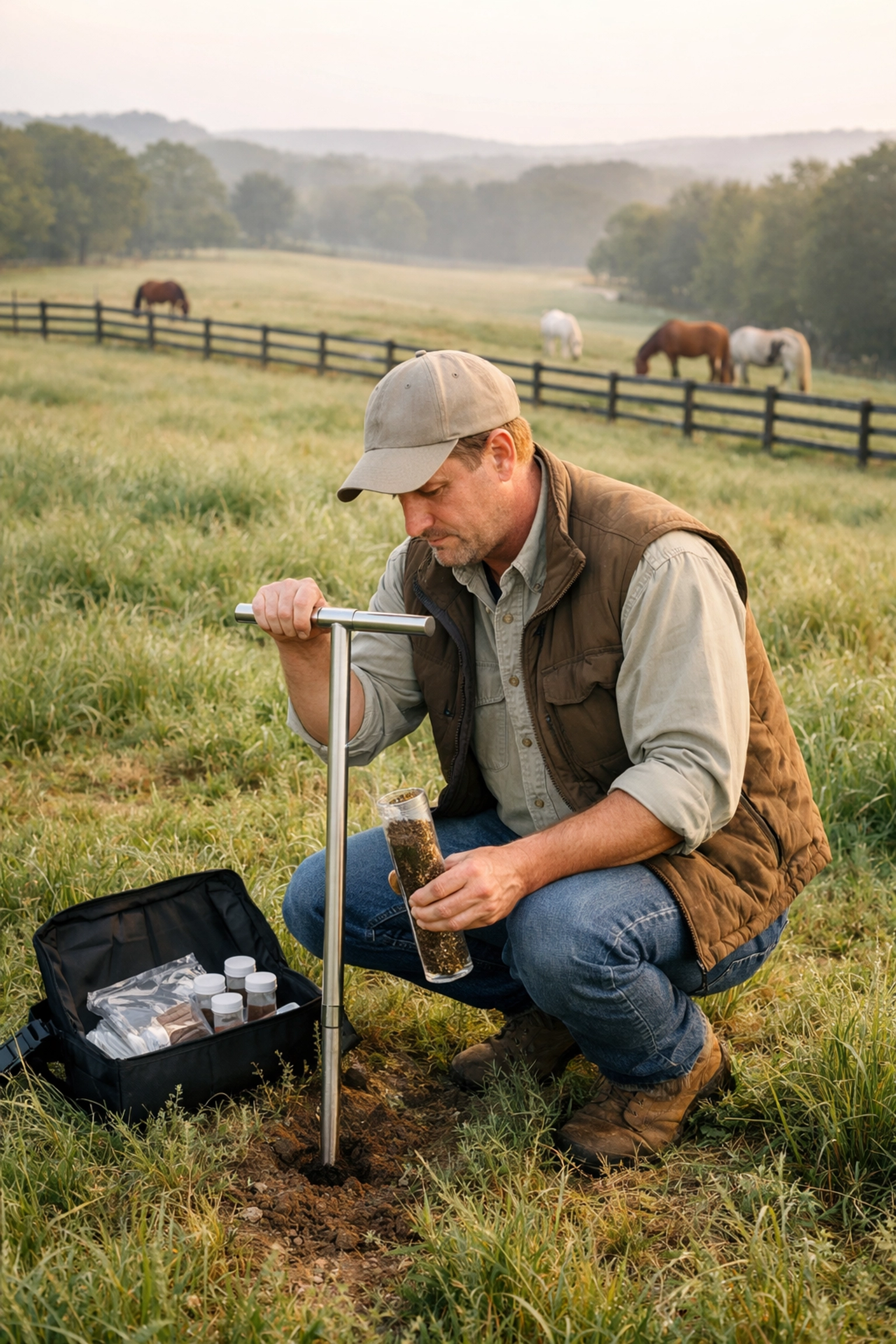
Your local Soil and Water Conservation office typically offers free testing. When results arrive, focus on four critical metrics: pH level, nitrogen (N), phosphorus (P), and potassium (K). These numbers tell the real story of your pasture's capacity to support healthy forage.
The test takes fifteen minutes to collect samples from different areas of your property. The insights last for years and save thousands in wasted amendments.
The pH Problem That's Costing You More Than You Think
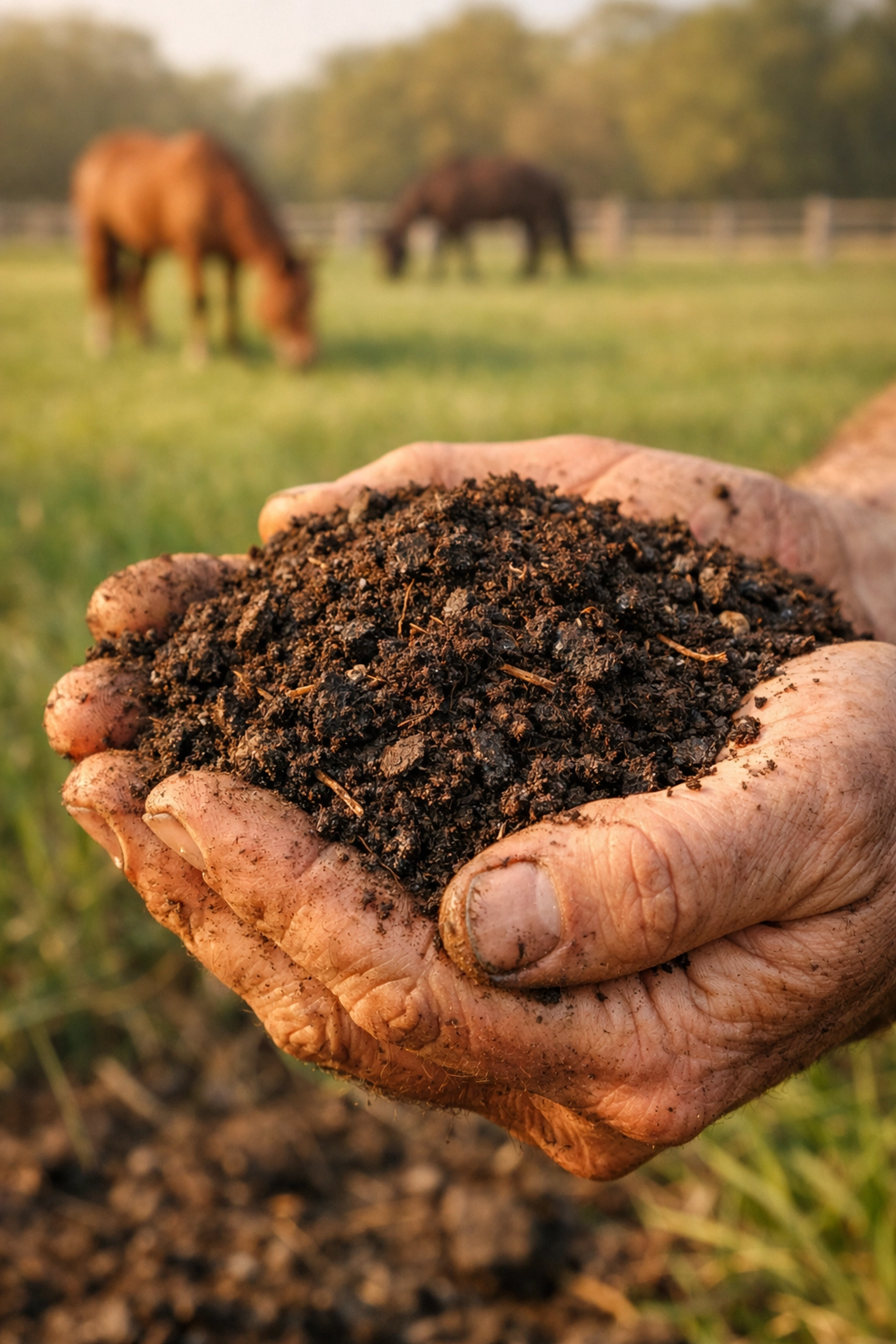
Here's the secret most local experts mention but don't emphasize enough: Charlotte Metro soils: particularly in the Sandhills region: run exceptionally acidic, typically ranging from 4.5 to 6.0 pH.
Sandy soil composition and pine tree presence drive pH levels down. Why does this matter? Soil below 6.0 pH creates an environment where grass literally cannot access the nutrients you're applying. You're feeding your land, but your pastures are starving.
The solution sounds simple: apply lime: but the execution requires understanding local soil chemistry. In sandy Charlotte-area soils, raising pH one full point requires approximately one ton of lime per acre. That's significantly more than many Midwestern or clay-based regions need.
Timing matters as much as quantity. Apply lime in fall or spring, three to six months before your grass green-up period. Lime requires months to neutralize soil acidity. Spring applications made in March show limited impact by May growth periods.
Many farm managers apply lime once and consider the problem solved. Soil pH naturally decreases over time. Retest every three years and reapply as needed to maintain optimal 6.0-6.5 range for most pasture grasses.
The Nitrogen Application Schedule Nobody Follows (But Should)
Nitrogen drives pasture growth more than any other nutrient. It's also the most mismanaged.
The mistake: applying nitrogen once annually and expecting year-round results.
Unlike phosphorus and potassium, which remain relatively stable in soil, nitrogen dissipates rapidly. Plants consume it quickly. Rain leaches it. Warm temperatures accelerate its breakdown into forms grasses cannot use.
Single annual applications leave your pastures adequately fed for perhaps six weeks, then increasingly nutrient-deficient for the remaining ten months.
The Charlotte Metro growing season demands multiple nitrogen applications: typically three to four times between spring green-up and fall dormancy. Split your total annual nitrogen requirement into smaller applications timed with active growth periods: early spring, late spring, mid-summer, and early fall.
This approach matches nutrient availability with plant demand, maintaining consistent pasture productivity rather than the feast-or-famine cycle of single applications.
How Your Grazing Patterns Destroy Soil Health
Soil amendments matter. But management practices determine whether those amendments create lasting improvement or temporary Band-Aids.
Continuous grazing without rest periods devastates pasture soil structure. When horses access the same paddocks without rotation, they graze preferred areas down to bare dirt while avoiding less palatable sections. Those overgrazed areas lose root systems, exposing soil to erosion and compaction from constant hoof traffic.
Research consistently shows grass grazed below four inches experiences root stress that eventually kills the plant. Dead grass means bare soil. Bare soil means erosion, weed invasion, and nutrient runoff during rain events: precisely the environmental problems that attract regulatory attention and cost money to remediate.
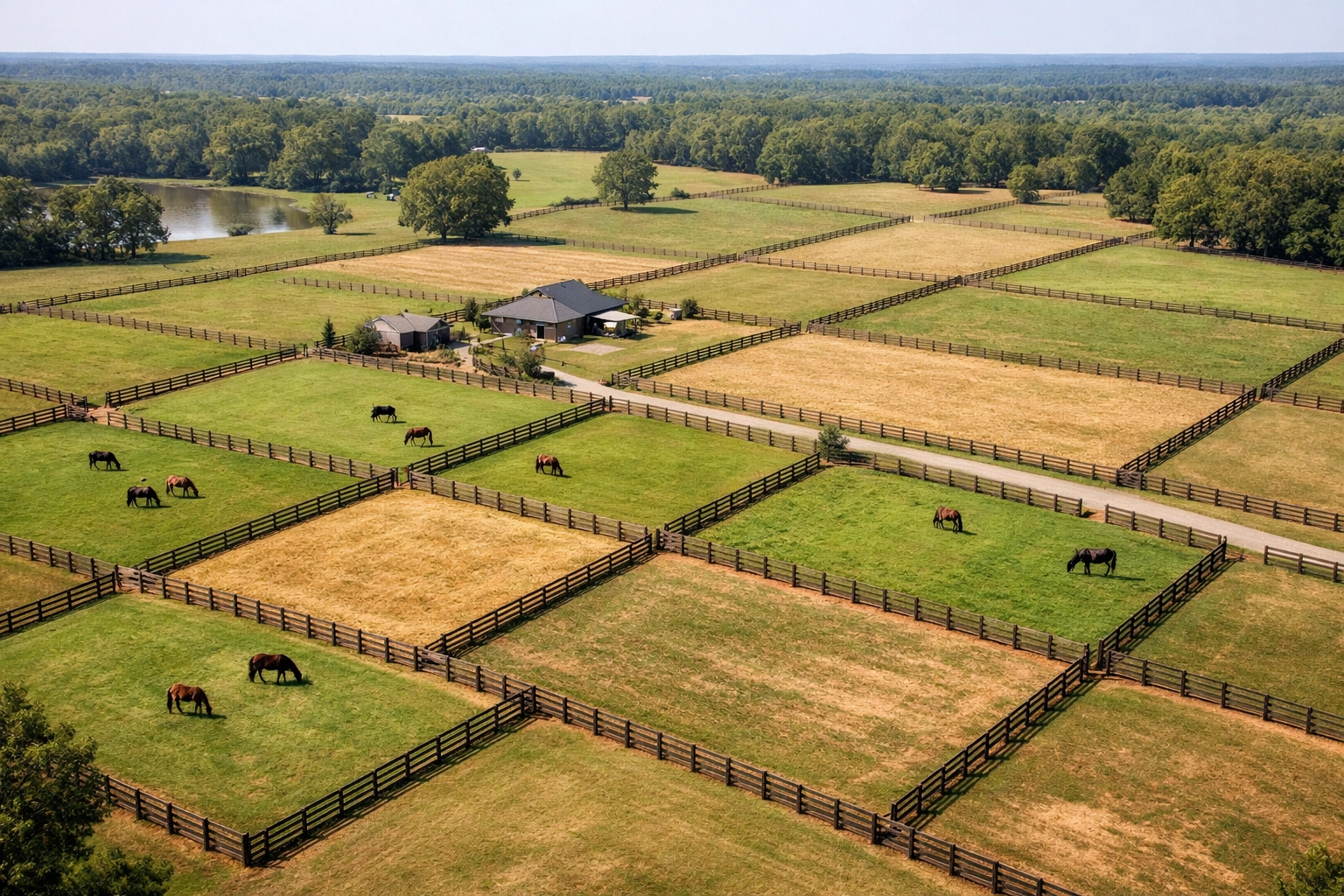
The solution requires space and commitment: rotational grazing that allows minimum 30-day rest periods between grazing cycles in each paddock.
For properties without infrastructure to support rotation, maintain stocking density at two acres of well-established grass per horse minimum. This conservative ratio allows grass to recover faster than horses can destroy it, though rotating smaller paddocks produces superior results.
The Maintenance Schedule That Compounds Your Investment
Proper soil chemistry and grazing rotation create the foundation. Regular maintenance compounds those investments into long-term pasture productivity.
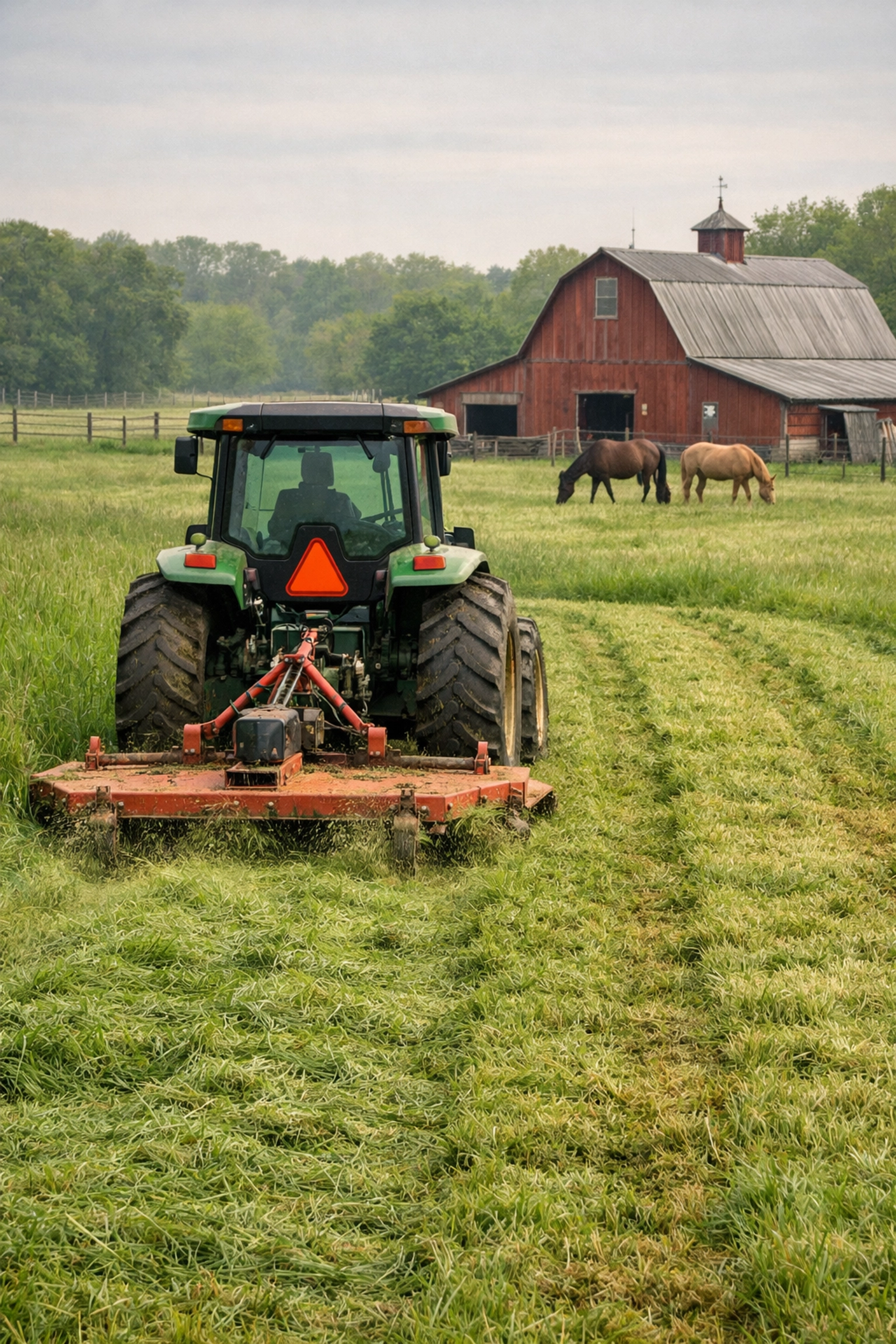
Brush hog or mow pastures when grass reaches eight to ten inches. This height indicates growth has outpaced grazing pressure: a good problem. Clipping prevents excessive seed head development that reduces nutritional value and allows weeds to establish in overly thick growth.
Mowing also stimulates tillering: the process where grass plants produce additional shoots from the base, creating denser, more resilient stands that resist weed pressure naturally.
Time maintenance activities for late spring and mid-summer, after primary growing flushes but before heat stress periods. Avoid mowing during drought stress or extreme heat when cutting further weakens already-stressed plants.
Harrowing or dragging pastures in spring breaks up manure piles, distributing nutrients more evenly and interrupting parasite life cycles. This simple practice captures value from manure rather than allowing nutrients to concentrate in spots horses avoid.
The Drainage Factor Most Buyers Overlook
Charlotte Metro clay and sandy loam soils create unique drainage challenges. Poor drainage impacts soil health in ways fertilizer cannot fix.
Standing water after rain events signals compaction or grading problems. Saturated soil becomes anaerobic: lacking oxygen: which kills beneficial soil organisms and grass roots. Wet areas also compact under hoof traffic, creating hardpan layers that prevent water infiltration and root development.
When evaluating horse farms for sale in the Charlotte area, observe pastures after significant rain. Notice where water stands, how quickly it drains, and whether existing grading directs runoff appropriately. These observations reveal more about long-term soil health potential than any single day inspection during dry weather.
Properties with established drainage solutions: French drains, graded swales, or tile systems: represent significant value that isn't always reflected in listing prices but saves tens of thousands in remediation costs.
Building Soil Health Is Building Property Value
Healthy pasture soil isn't just about better grazing: though that benefit alone justifies the investment. Well-managed pastures demonstrate land stewardship that sophisticated equestrian buyers recognize and value.
When properties come to market with documented soil testing history, visible pasture rotation infrastructure, and dense, productive grass stands, they command premium pricing from buyers who understand the difference between cosmetic appeal and genuine agricultural functionality.
The Charlotte equestrian market increasingly attracts buyers who evaluate properties through a horse-first lens. They notice soil health indicators: pasture density, weed pressure, drainage patterns, and grazing management systems. These buyers built their horse programs on sound land management and won't compromise when purchasing their next property.
Your Next Step in Property Stewardship
Whether you're currently managing a Charlotte Metro horse farm or searching for equestrian property that won't require remediation before supporting your program, understanding soil health fundamentals positions you for success.
Start with a soil test this spring. The investment rarely exceeds $50 per sample and provides three years of management guidance. Partner with your local extension service to interpret results and develop an amendment schedule specific to your property's needs and your program goals.
For those evaluating horse farms for sale in Waxhaw, Weddington, Marvin, or throughout the Charlotte Metro region, request soil testing history during due diligence. Properties without testing history aren't necessarily problematic: but they represent unknown variables that affect your first-year budget and long-term carrying costs.
The difference between productive pastures and persistent problems often comes down to understanding what local experts assume you already know: Charlotte Metro soils require specific management that respects regional chemistry, climate, and the unique demands of maintaining land that works as hard as your horses do.
Carolina Horse Farm Realty specializes in equestrian properties throughout the Charlotte Metro region where land quality and horse program functionality matter as much as the home. Connect with our team to discuss properties with documented soil management or to explore how land health impacts your property search.