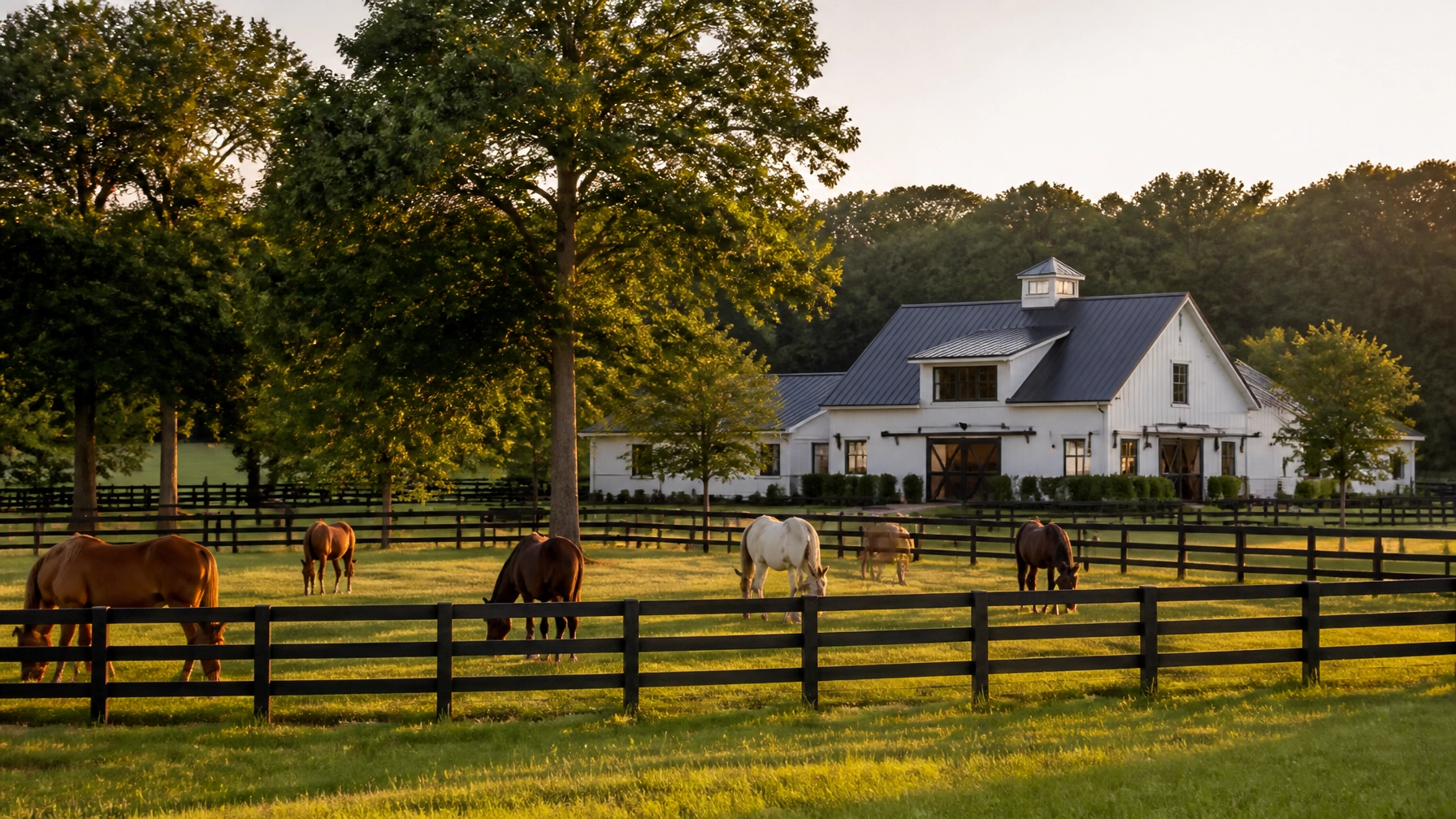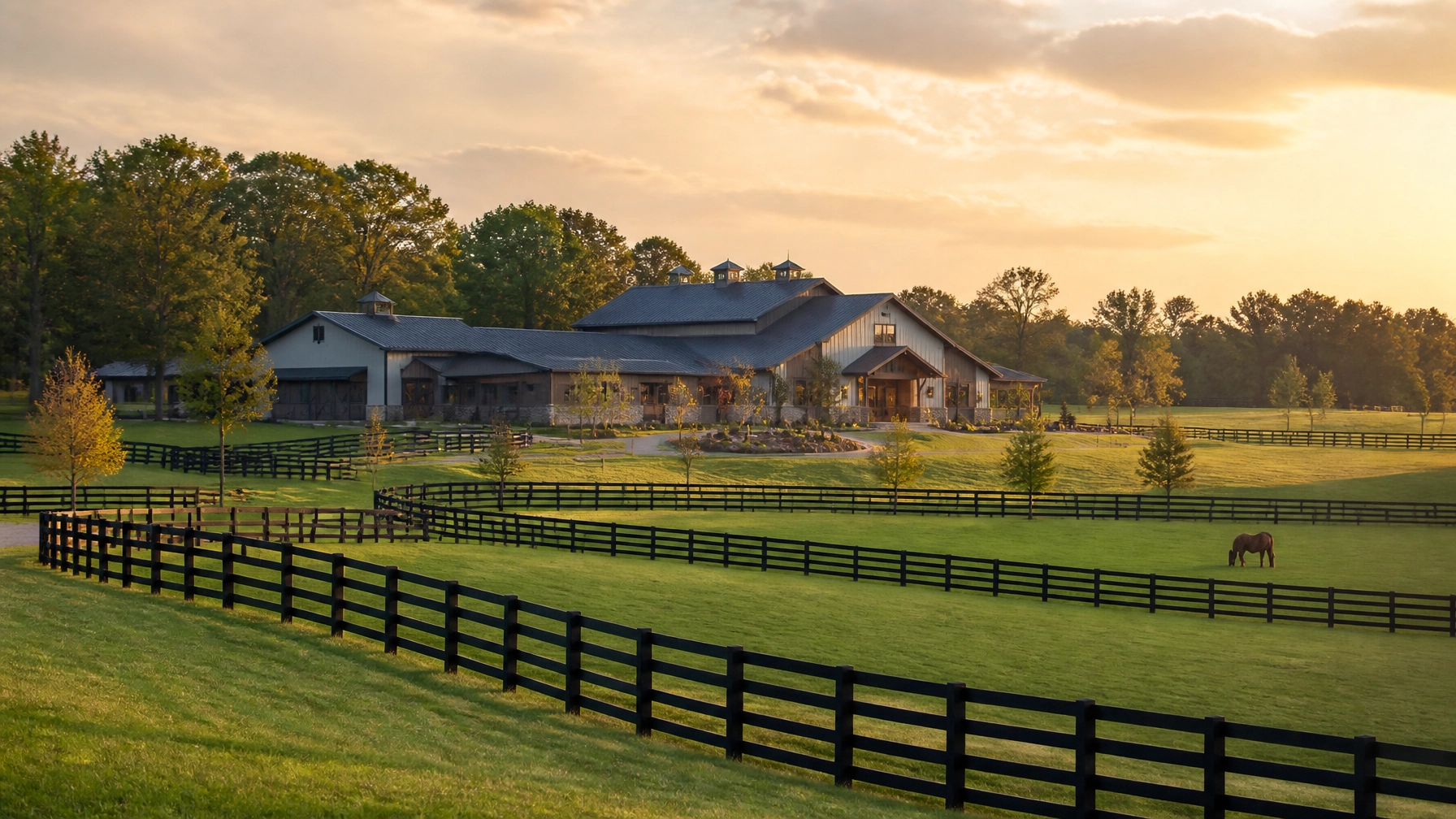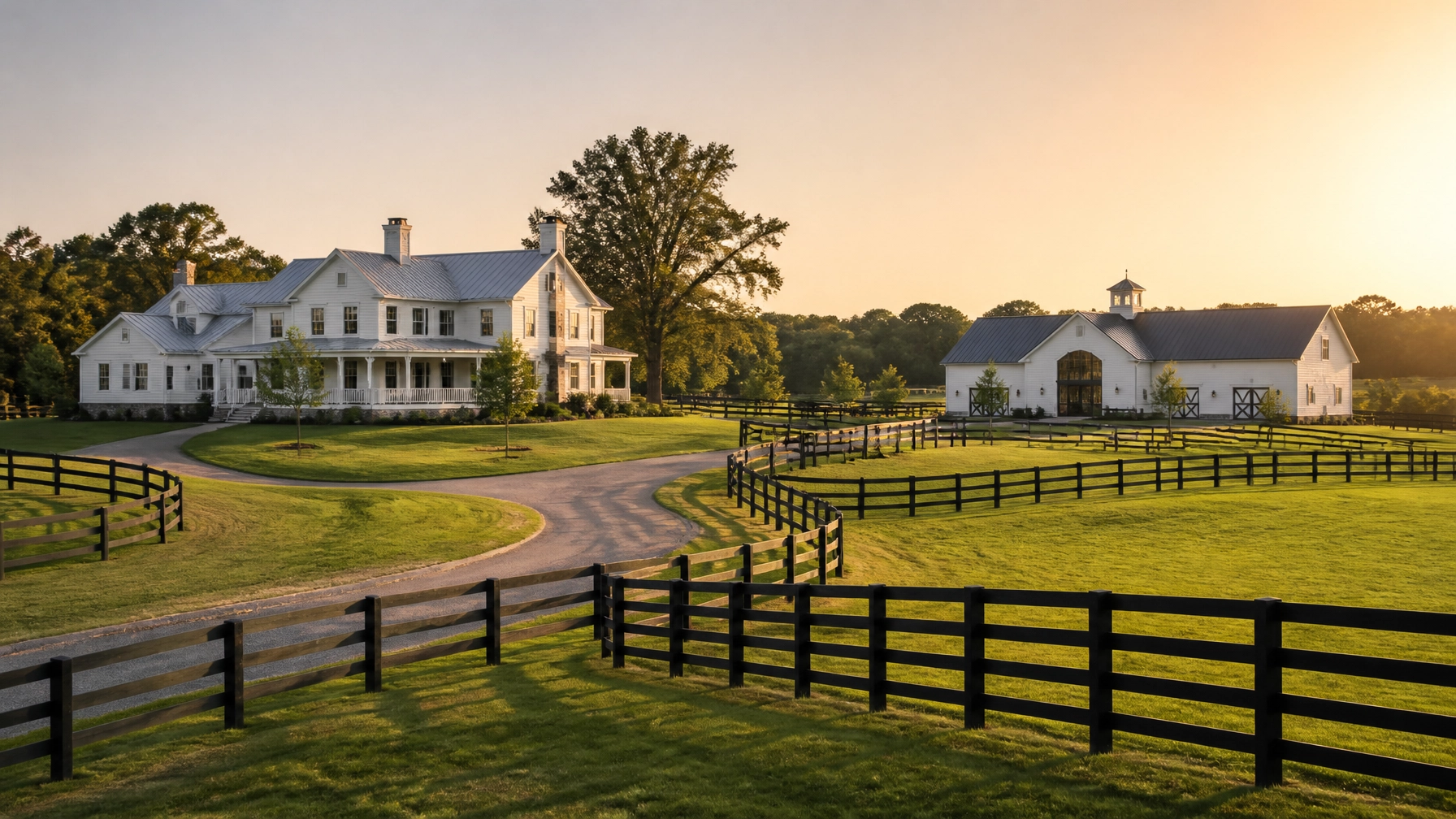
Waxhaw sits in that sweet spot where Charlotte's amenities meet genuine horse country. The town hasn't lost its agricultural roots despite growth pressure, and that matters when you're looking for land that can actually support horses long-term. If you're searching for equestrian property in the Charlotte Metro area, Waxhaw deserves serious consideration, not because it's trendy, but because the infrastructure, community, and land quality align with what working horse operations actually need.
Why Waxhaw Works for Horse People
The equestrian community in Waxhaw didn't appear overnight. This area has supported horse operations for generations, which means you'll find the essential services already in place: quality farriers who show up on schedule, equine vets with hospital facilities, feed stores that stock what you actually use, and neighbors who understand that 6 AM feeding schedules are non-negotiable.
Location matters beyond the riding arena. Waxhaw sits roughly 25 miles south of Charlotte, providing genuine separation from urban sprawl while keeping you within reasonable reach of the city's resources. Union County zoning typically permits agricultural use on appropriate acreage, though verifying specific restrictions before making an offer remains essential.
The soil composition in this region, primarily clay-based with varying drainage characteristics, responds well to proper pasture management. You're not fighting sand, you're not dealing with pure hardpan, and with attention to rotational grazing and appropriate amendments, the land produces quality forage.
Current Market Reality: What You'll Find Available
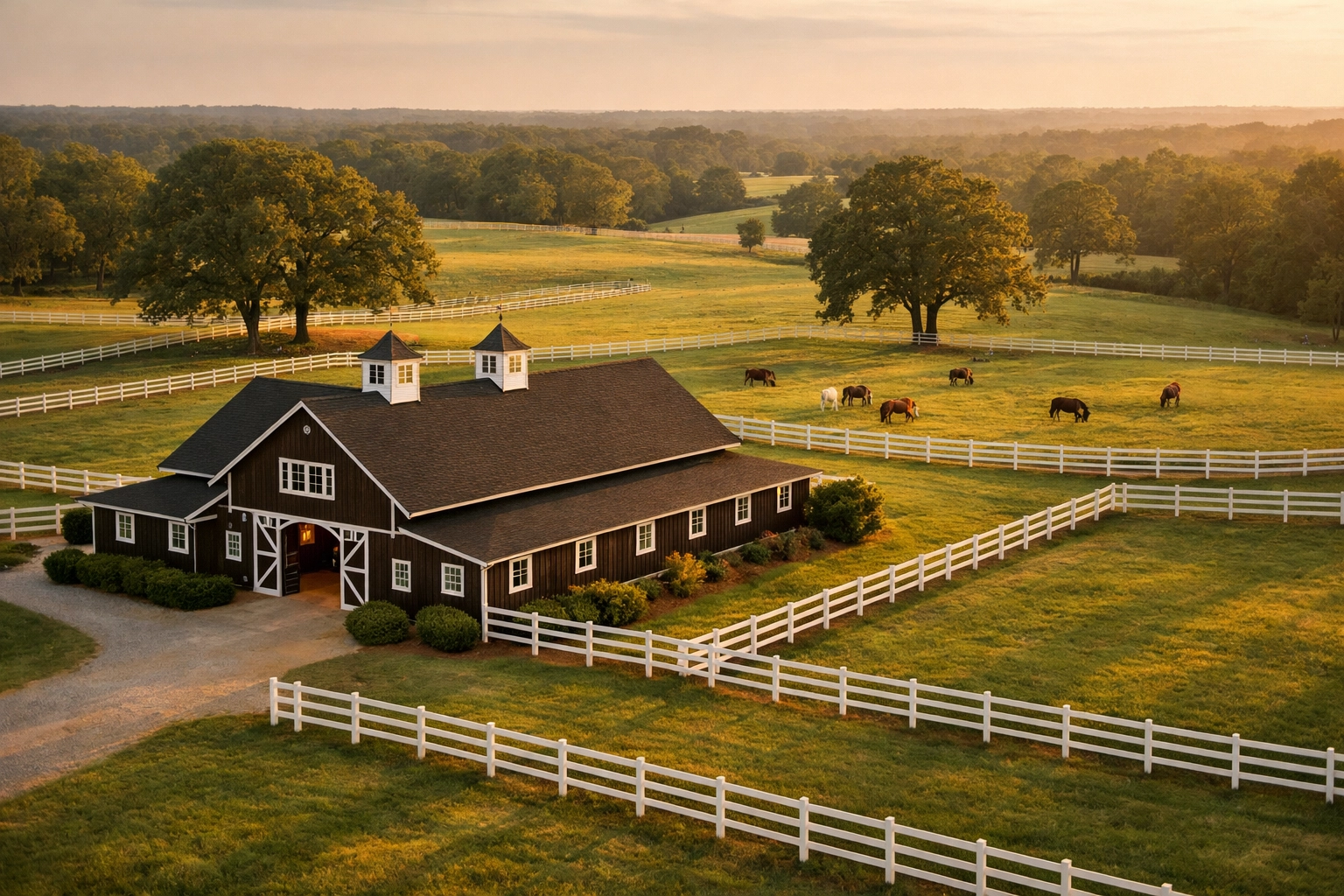
As of early 2026, Waxhaw maintains substantial inventory for equestrian buyers. Current listings include approximately 43 horse properties across various platforms, with average pricing ranging from $539,000 to $571,000. Land costs average between $50,000 and $52,000 per acre, reflecting the area's desirability while remaining more accessible than comparable acreage closer to Charlotte proper.
This pricing positions Waxhaw as a middle-ground option, more established than emerging markets like Monroe or Harrisburg, yet more attainable than premium equestrian enclaves. The inventory mix spans from functional training facilities with modest homes to luxury estates featuring custom barns and European-inspired architecture.
What matters more than average pricing: the range. You'll find 10-acre gentleman's farms suitable for a few personal horses alongside 40+ acre training operations with client capacity. Understanding your actual requirements, not your aspirational ones, determines which properties warrant serious consideration.
Essential Features Worth Prioritizing
Barn Infrastructure
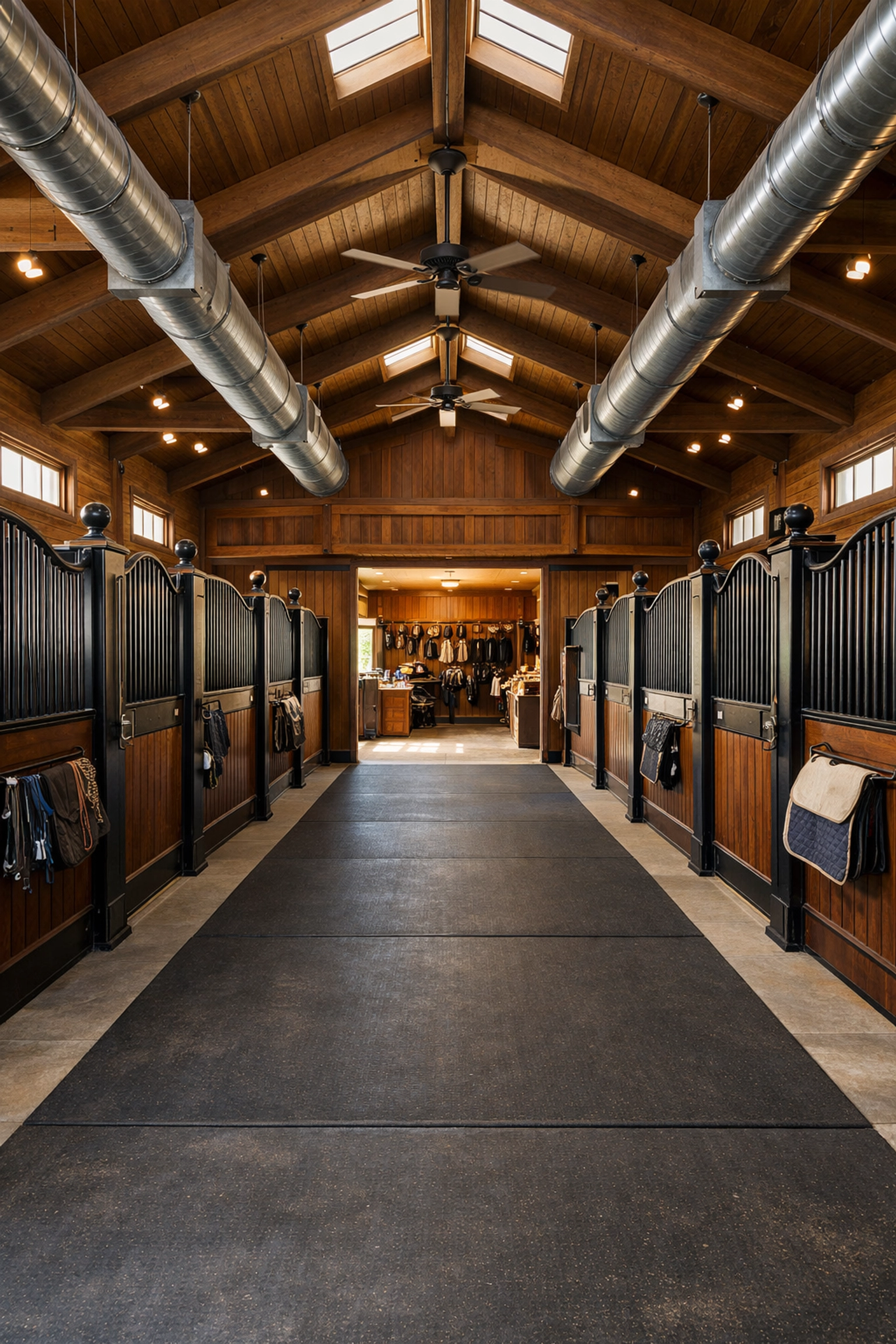
Quality barn construction outlasts trends. Look for proper ventilation systems, adequate stall sizing (12×12 minimum for most horses), and sensible layouts that minimize labor. Center-aisle designs work well for smaller operations, while larger facilities often benefit from multiple smaller barn structures rather than one massive building.
Electrical systems should be up to code with GFI protection in wash stalls and anywhere water meets electricity. Adequate lighting in aisles, stalls, and tack rooms isn't luxury, it's safety during winter feeding and late evening checks.
Land Quality and Pasture Configuration
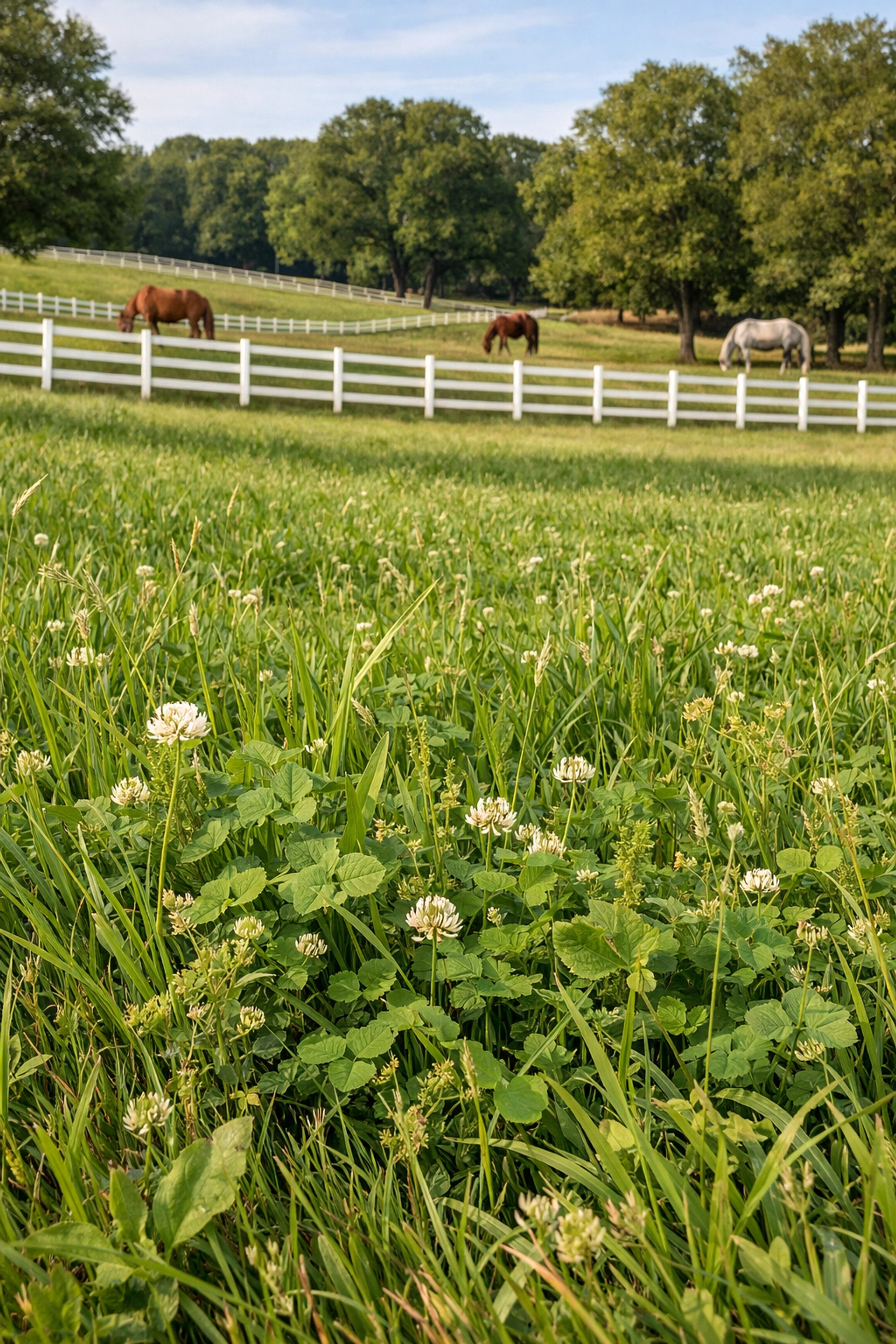
Acreage numbers mean less than pasture quality and configuration. Five well-managed acres with appropriate fencing and rotation systems outperform fifteen overgrazed, compacted acres every time. Evaluate current pasture condition, drainage patterns, and whether the property layout allows for rotational grazing.
North Carolina clay requires management. Properties with established pastures, proper grading, and functioning drainage systems save years of soil-building work. Look for evidence that previous owners understood pasture management, diverse forage species, absence of severe erosion, and fencing that enables rotation.
Water, Utilities, and Hidden Infrastructure Costs
City water access provides convenience and consistent pressure but check if wells exist as backup. Many established horse farms maintain both systems. Well capacity matters when you're filling multiple automatic waterers, washing horses, and irrigating arena footing.
Septic systems for homes require appropriate sizing, but also consider barn facilities. Properties with wash stalls, heated tack rooms, or living quarters above barns need properly designed septic or sewer systems.
Electric service capacity determines what equipment you can run simultaneously. Training facilities with indoor arenas, heated viewing areas, and multiple living spaces require adequate service: usually 200-amp minimum, often 400-amp for larger operations.
Proximity to Equestrian Resources
Waxhaw's established equestrian community means critical services cluster nearby. Identify the closest veterinary hospital with surgical capabilities: emergencies don't wait for convenient timing. Locate farriers with good reputations and availability. Find quality feed suppliers who deliver or maintain convenient retail hours.
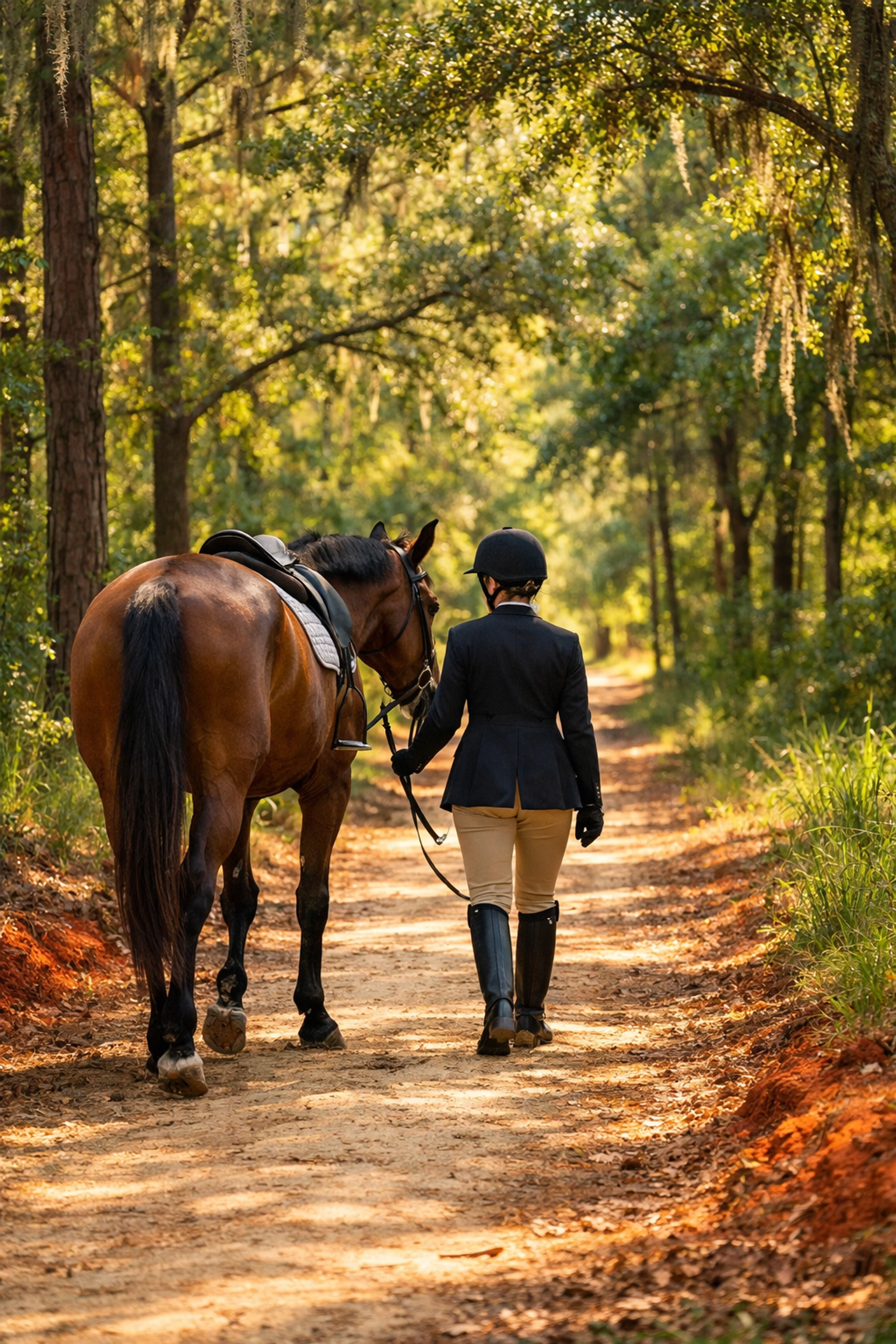
Access to trails, competition venues, and training resources varies by specific location within Waxhaw. Properties near the Cane Creek Park area offer trail access. Others may be closer to recognized trainers in specific disciplines or boarding facilities that accept clinic participants.
Zoning and Regulatory Considerations
Union County zoning generally supports agricultural use, but specific regulations affect how many horses you can keep, whether you can operate commercially, and what additional structures you can build. Properties zoned agricultural typically permit personal horse keeping and may allow commercial boarding, training, or breeding operations with appropriate permits.
Verify setback requirements before planning new construction. Confirm whether existing barn placement complies with current setbacks: non-conforming structures can complicate future modifications. Check if the property falls under any homeowner association restrictions that might limit equestrian use despite agricultural zoning.
Understand that "grandfathered" situations require documentation. If a property has operated commercially but lacks proper permitting, you may not inherit that status. Due diligence on zoning matters prevents costly surprises after closing.
Neighborhoods and Micro-Markets Within Waxhaw
Waxhaw encompasses varied terrain and community character. Properties toward the South Carolina state line often offer more acreage and privacy. Areas closer to downtown Waxhaw provide easier access to shops and restaurants while maintaining rural character.
The Providence Road corridor sees more development pressure, which affects long-term value both positively and negatively depending on your goals. More remote locations offer insulation from growth but may limit future resale appeal to buyers wanting convenience alongside country living.
Some established equestrian neighborhoods feature shared amenities or informal riding communities. Others emphasize privacy and larger individual parcels. Neither approach is superior: alignment with your priorities determines fit.
Making the Smart Investment
Horse property purchases require different evaluation criteria than residential real estate. Work with professionals who understand equestrian operations, not just agents who've sold properties that happen to have barns.
Property inspections should include equestrian-specific elements: barn safety, fencing condition, water system capacity, and pasture drainage. General home inspectors miss critical issues with barns, arenas, and agricultural infrastructure.
Consider long-term operational costs beyond the mortgage. Factor in property maintenance, fence repair, pasture management, utility costs for heated/cooled barn areas, and insurance appropriate for equestrian operations.
Moving Forward With Confidence
Waxhaw offers legitimate options for serious equestrians seeking property in the Charlotte Metro area. The combination of established community, appropriate infrastructure, and available inventory creates opportunity for buyers who understand what they actually need versus what looks impressive in photos.
Success in finding the right property requires clarity about your operation's real requirements, patience to wait for proper matches rather than settling, and willingness to look past cosmetic details toward functional fundamentals. The best horse farms prioritize horse welfare and operational efficiency over aesthetic trends.
If you're seriously evaluating equestrian properties in the Waxhaw area, working with specialists who understand both horses and real estate eliminates costly mistakes. We evaluate properties through an equestrian lens first: because facilities that don't work for horses don't work at all, regardless of how the house photographs.
The right Waxhaw horse farm exists. Finding it requires knowledge, patience, and realistic assessment of both property and priorities. That's where genuine expertise makes the difference between a purchase you'll grow to regret and a property that supports your equestrian goals for decades.