There's something about Waxhaw that just works for horse people. Maybe it's the way historic charm meets modern equestrian infrastructure, or how you can hack out on preserved trails one hour and be in uptown Charlotte the next. Whatever it is, this corner of Union County has quietly become one of the most sought-after locations for equestrian properties in the greater Charlotte metro.
If you're searching for horse farms for sale in Waxhaw, you're not alone, and you're in the right place. This guide breaks down everything you need to know about buying horse property in Waxhaw, from market conditions and pricing to the features that actually matter when you're managing horses day in and day out.
Understanding the Waxhaw Equestrian Market
The current market offers genuine variety. Depending on which platform you're searching, you'll find anywhere from 13 to 43 horse properties actively listed in the Waxhaw area. That range isn't just noise, it reflects different property types, from turnkey equestrian estates to raw land with barn potential.
Average pricing sits between $539,000 and $620,000, with the cost per acre averaging around $50,000. But don't let averages tell the whole story. Properties range from $295,000 starter farms to $1.5 million turnkey facilities, meaning there's genuine opportunity across different budget levels and experience stages.
The market here moves differently than traditional residential real estate. Horse properties take longer to sell because they require the right buyer, someone who understands what they're looking at when they walk a fence line or step into a barn aisle. That's actually good news for serious buyers, because it means you have time to evaluate properties thoroughly without feeling rushed into decisions.
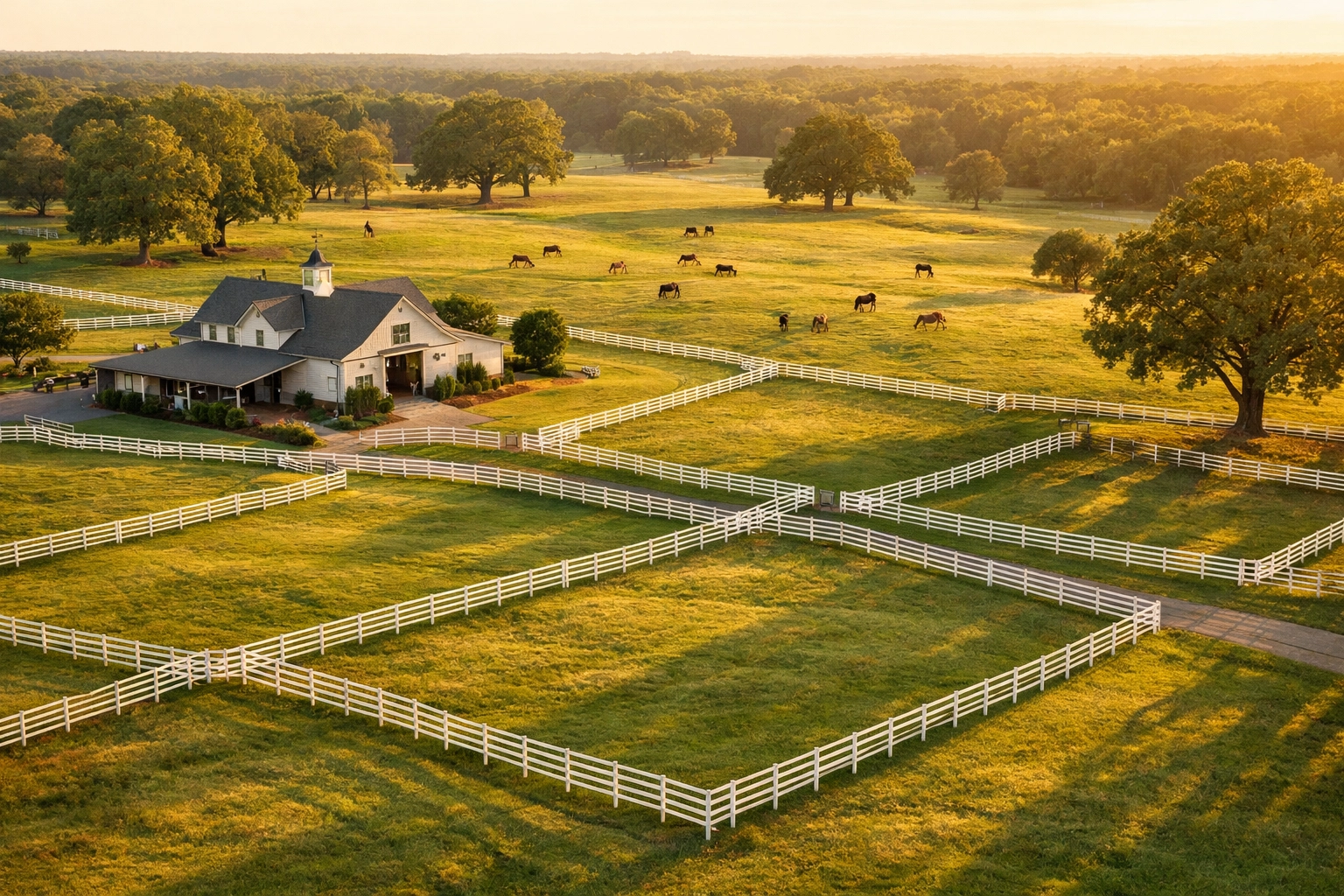
Why Waxhaw Works for Horse Owners
Location matters more than most people realize when you're keeping horses at home. Waxhaw delivers on multiple fronts: you're close enough to Charlotte for work and amenities (about 30 minutes to uptown), but far enough out that land is still affordable and zoning regulations are horse-friendly.
Union County's agricultural character is protected by smart planning policies that favor equestrian use. You won't find yourself fighting restrictive HOAs or neighbors complaining about early morning feeding schedules. The community here gets it, horses aren't just pets, they're a lifestyle and often a livelihood.
Trail access is exceptional. Cane Creek Park spans 1,100 acres with dedicated riding trails, and Mineral Springs Greenway offers additional riding opportunities. For those who want to trailer out occasionally but prefer riding from home, Waxhaw properties often include enough acreage for private trail networks through wooded areas and open fields.
The climate is another practical advantage. North Carolina's Piedmont region offers moderate winters (rarely harsh enough to require extreme winterization) and manageable summers. Yes, it gets hot and humid, but horses acclimate well, and the growing season for pasture is long and productive compared to northern climates.
Essential Features That Define Quality Horse Properties
Walk enough properties and you'll start to recognize the difference between a home with a barn and an actual horse farm. Here's what matters:
Pasture and Paddock Configuration: Look for well-established pastures with healthy grass coverage, not just cleared land with weeds. Rotational grazing capability, multiple pastures that allow you to rest fields, protects both your horses and your soil. Run-in sheds in each pasture aren't just nice to have; they're essential for horses who live out 24/7.
Barn Infrastructure: A four-stall barn is the functional minimum for most serious horse owners. You'll want proper hay storage with a loft that keeps feed dry and accessible, adequate tack room space (because gear multiplies faster than horses), and efficient barn design that minimizes daily labor. Check ventilation, footing, and whether the barn was built by someone who actually kept horses or just threw up a pole building.
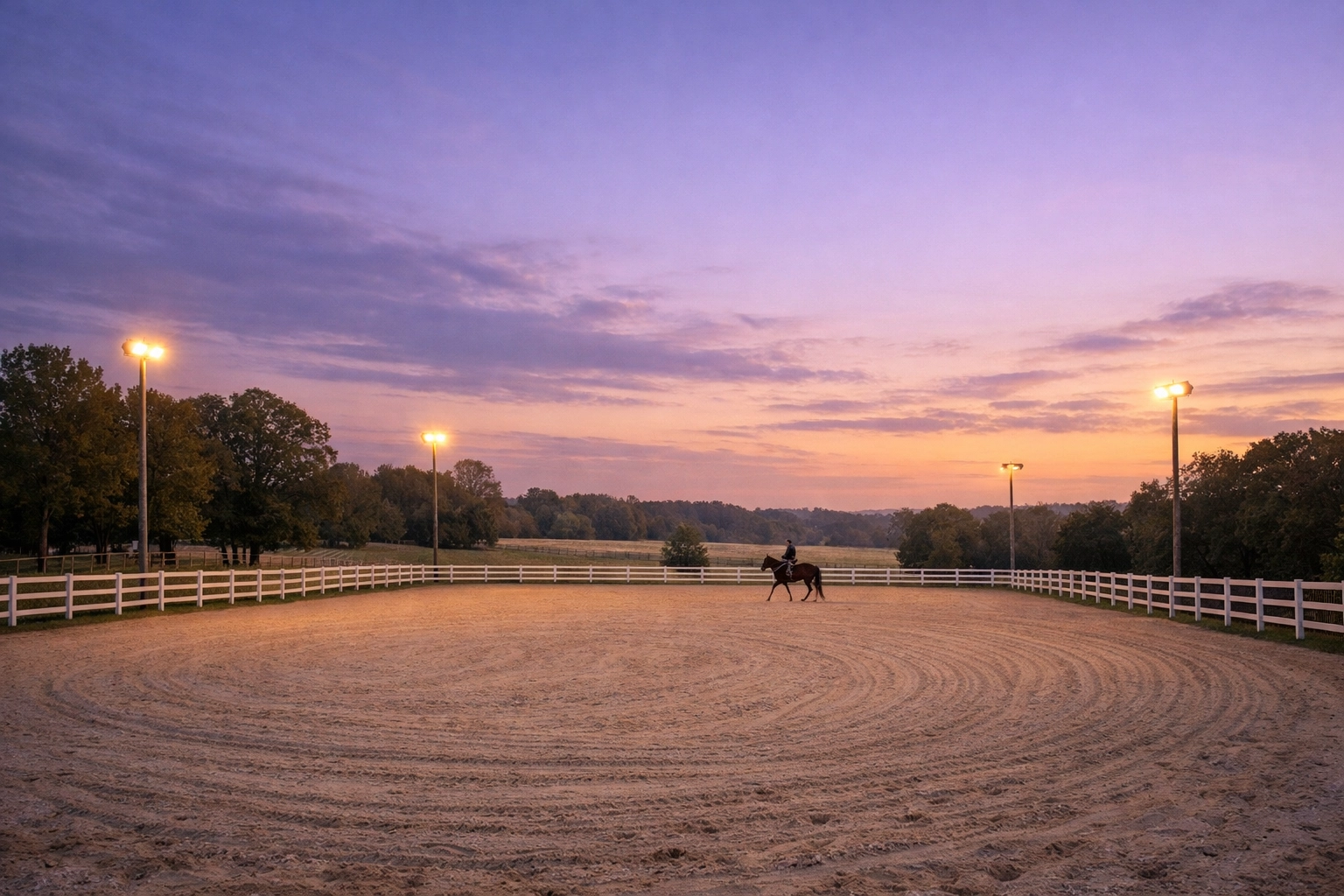
Arena and Training Space: An arena, especially a lighted one, transforms how you ride. You're not limited to daylight hours or summer months. Whether it's a full-size dressage court or a smaller jumping arena, having dedicated riding space at home eliminates the logistics and cost of boarding for training.
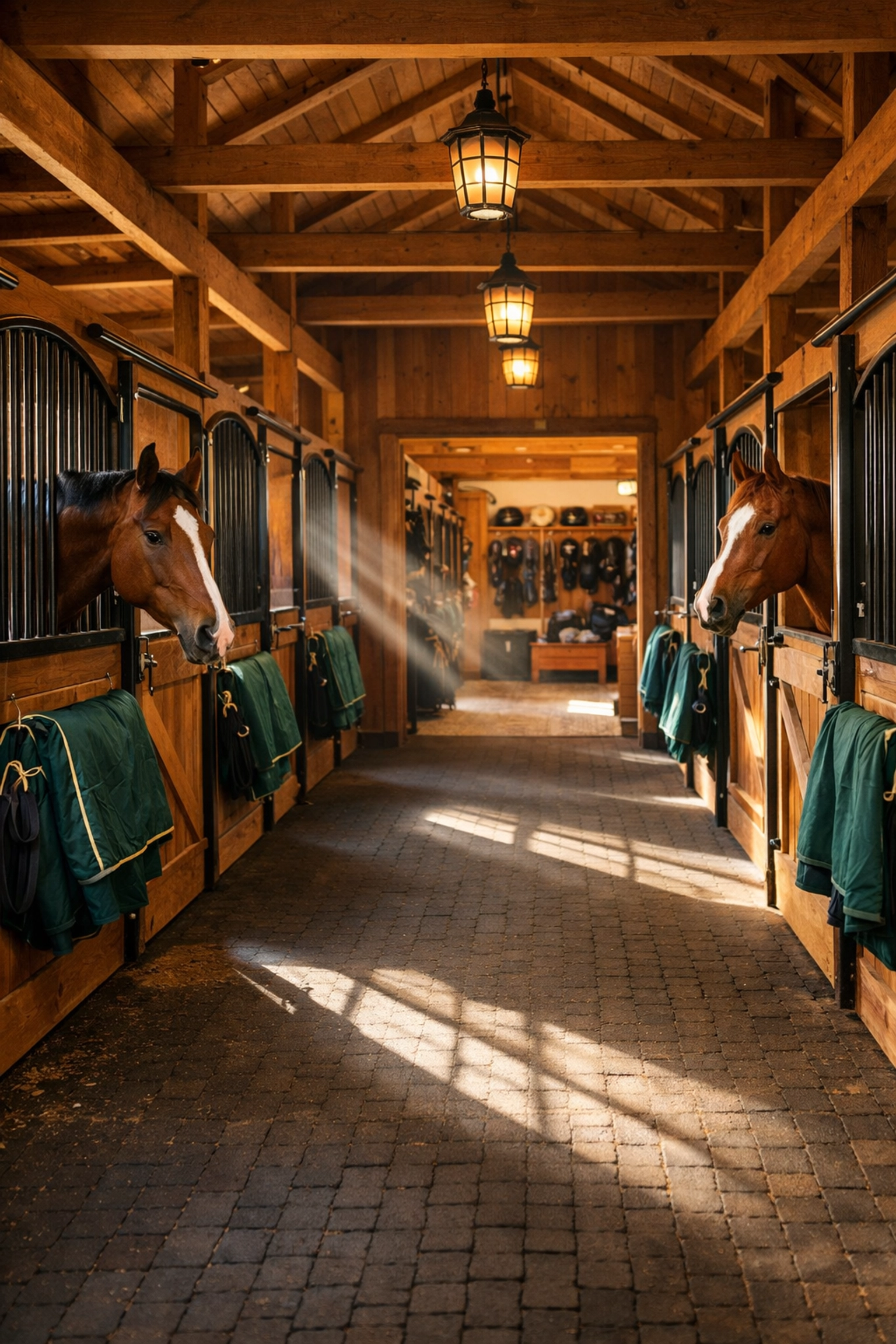
Water and Utilities: Automatic waterers or easy-access water sources in each pasture save hours of daily labor. Reliable electricity to the barn (with proper amperage for water heaters, fans, and lighting) isn't negotiable. Septic or well systems should be sized appropriately for both the home and barn facilities.
Equipment Storage: Between tractors, mowers, trucks, trailers, and all the equipment that comes with land management, you need proper covered storage. Properties with dedicated equipment barns or covered areas protect your investment and keep operations organized.
Navigating Pricing and Investment Value
That $50,000 per acre average requires context. Raw land with no improvements will price significantly lower, while fully developed farms with quality infrastructure command premium pricing. What you're really evaluating is the cost to create what's already in place versus buying finished.
Building a barn from scratch easily runs $50,000 to $150,000 depending on size and finishes. Arena construction adds another $20,000 to $60,000. Fencing costs compound quickly, board fencing can run $5 to $8 per linear foot, and even basic wire fencing adds up when you're securing 10 or 20 acres. Pasture establishment, drainage work, and driveway improvements all require both time and capital.
This math explains why turnkey properties that look expensive on paper often represent genuine value. Someone else absorbed the construction costs, weathered the contractor delays, and worked through the learning curve. You're buying time as much as property.
For buyers considering properties that need work, factor in realistic timelines. Building takes longer in reality than in your planning spreadsheet, and horses can't wait around for contractors. If you're buying raw land or a project property, have a solid boarding plan for your horses during construction phases.
The Lifestyle Component: What Daily Life Actually Looks Like
Numbers and features matter, but understanding the daily reality of owning a horse farm in Waxhaw helps frame whether it's the right choice for your situation.
You'll spend 2-3 hours daily on basic horse care: feeding, turnout, stall cleaning, water checks. That's before riding or training time. Properties with efficient layouts that minimize walking distances and thoughtful barn design reduce this significantly.
Seasonal considerations shape your routine. Summer means battling flies, managing heat stress, and keeping water tanks filled. Winter requires different feed programs, checking heated waterers, and monitoring for ice. Spring and fall are prime pasture management seasons when soil work, fertilizing, and reseeding happen.
Waxhaw's proximity to veterinary services (large animal vets within 20-30 minutes) and feed stores (Southern States, Tractor Supply, and local feed mills nearby) matters during emergencies and for routine supply runs. Being part of an established equestrian community means you have access to local farriers, trainers, and other professionals who understand the area's specific needs.
Making Your Move: The Decision Framework
Successful horse property purchases start with honest assessment of your actual needs versus wants. Write down your must-haves: number of horses now and in five years, discipline requirements (dressage needs different space than barrel racing), whether you'll board client horses or keep it private, and how much land management work you're prepared to handle personally.
Visit properties multiple times, in different weather and at different times of day. That beautiful farm showing in afternoon sunshine reveals different challenges during morning mud season or summer thunderstorms. Walk the entire property: don't just tour the barn and house. Check fence lines, evaluate drainage patterns, and look for signs of proper maintenance.
Work with real estate professionals who understand equestrian properties. General residential agents often miss critical details that affect horse farm value and functionality. The questions you need answered: about soil quality, water rights, barn code compliance, and zoning for equestrian use: require specialized knowledge.
Your Next Steps in Waxhaw
The Waxhaw horse property market offers genuine opportunity for buyers at different stages: whether you're purchasing your first small farm or upgrading to a full training facility. The combination of location, infrastructure, and community creates an environment where equestrian businesses and private horse owners both thrive.
Quality properties move when the right buyer finds them. If you're seriously considering Waxhaw for your horse farm search, start by exploring current listings and connecting with professionals who know this market from a horse person's perspective, not just a sales background.
The work of finding the right property takes time, but getting it right means setting yourself up for years of success: both in the barn and in your broader life around horses. Waxhaw provides the foundation; the rest is about matching the right property to your specific vision.
Ready to see what's currently available? Browse our Waxhaw area listings or reach out to discuss your specific requirements. We're here to help you find property that works( not just property that looks good in photos.)