Waxhaw sits at that rare intersection where small-town equestrian culture meets accessibility to Charlotte's amenities. If you're searching for horse property in the Charlotte Metro area, you've likely noticed Waxhaw's name appearing consistently: and for good reason. This historic town has protected its agricultural roots while thoughtfully adapting to growth, creating an environment where serious horse people can actually thrive.
The Current Waxhaw Horse Farm Market
The numbers tell a story of healthy inventory and diverse options. Between 17 and 45 equestrian properties are currently available depending on which platform you're searching, with an average listing price of $539,000 and cost per acre averaging around $50,005. This isn't the cheapest land in the region, nor should it be: you're paying for established infrastructure, respected equestrian neighbors, and proximity to both trails and veterinary services.
Entry-level properties start around $295,000, typically offering smaller acreage with basic barn facilities suitable for backyard horse keeping or a small breeding operation. Mid-range estates between $500,000 and $950,000 represent the market's sweet spot: adequate land for pasture rotation, functional barn designs with 4-8 stalls, and amenities like arenas or round pens. Premium properties exceeding $1,500,000 deliver exactly what you'd expect: extensive acreage, indoor arenas, manager's quarters, and turnkey operations for training facilities or breeding programs.
Properties average 52 days on market, moving faster than typical residential listings. When the right property hits at the right price, horse people recognize value quickly.
Why Waxhaw Works for Equestrians
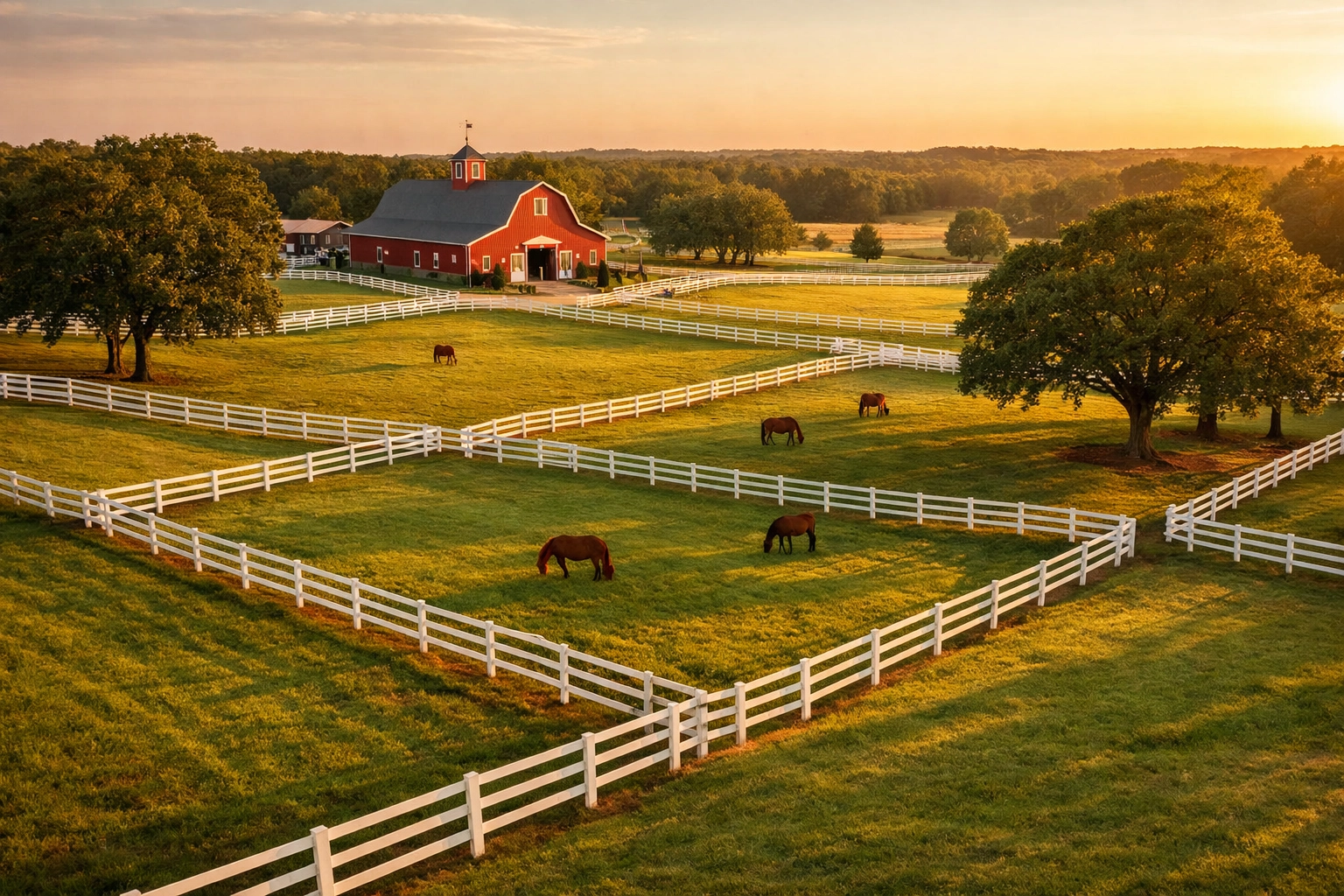
Waxhaw's equestrian appeal isn't accidental. The town has actively preserved its agricultural character through thoughtful zoning and a community culture that values land stewardship. You're not fighting against residential development pressure or neighbors complaining about manure smells and early morning feeding schedules.
Access to trail systems significantly enhances property value beyond the acreage you own. The Mineral Springs Greenway offers miles of maintained trails, while the 1,100-acre Cane Creek Park provides extensive riding opportunities without trailering your horses off-property. This connectivity transforms a 10-acre farm into something that feels exponentially larger: a critical consideration for horses' mental and physical well-being.
The veterinary and farrier network in Waxhaw reflects decades of established equestrian activity. You're not pioneering horse ownership in a golf course community; you're joining a functional infrastructure of professionals who understand equine needs. Emergency vet care, specialized lameness diagnostics, and quality farriers are available locally, not an hour's drive into rural counties.
Neighborhoods That Understand Horse Property
Four neighborhoods consistently appear in serious equestrian property searches: Cureton, Walnut Creek, Lawson, and Millbridge. Each offers distinct advantages worth understanding before you start touring properties.
Cureton provides larger parcel options with more privacy and traditional farm layouts. Properties here tend toward working farms rather than manicured estates: think functional barn designs, multiple pastures, and neighbors who understand that tractors make noise during hay season.
Walnut Creek attracts buyers seeking refinement without sacrificing functionality. You'll find thoughtfully designed barns with higher-end finishes, professional landscaping around equestrian areas, and properties that balance aesthetics with practical horse keeping.
Lawson and Millbridge offer newer construction options where properties were designed from the ground up with modern equestrian needs in mind. These areas attract professionals relocating from other equestrian markets who want specific features like covered riding arenas, wash stalls with hot water, and properly engineered drainage systems.
Essential Property Features Worth Prioritizing
Every horse farm listing mentions barns and pastures, but understanding quality versus quantity separates successful purchases from expensive learning experiences.
Pasture quality matters more than pasture quantity. North Carolina's soil and climate can produce exceptional forage, but only if properly managed. Look for properties with visible pasture rotation systems, minimal mud problems during wet seasons, and established grass stands rather than weed-filled paddocks. Soil testing results from the previous owner provide valuable insight: if they don't exist, budget for testing before closing.
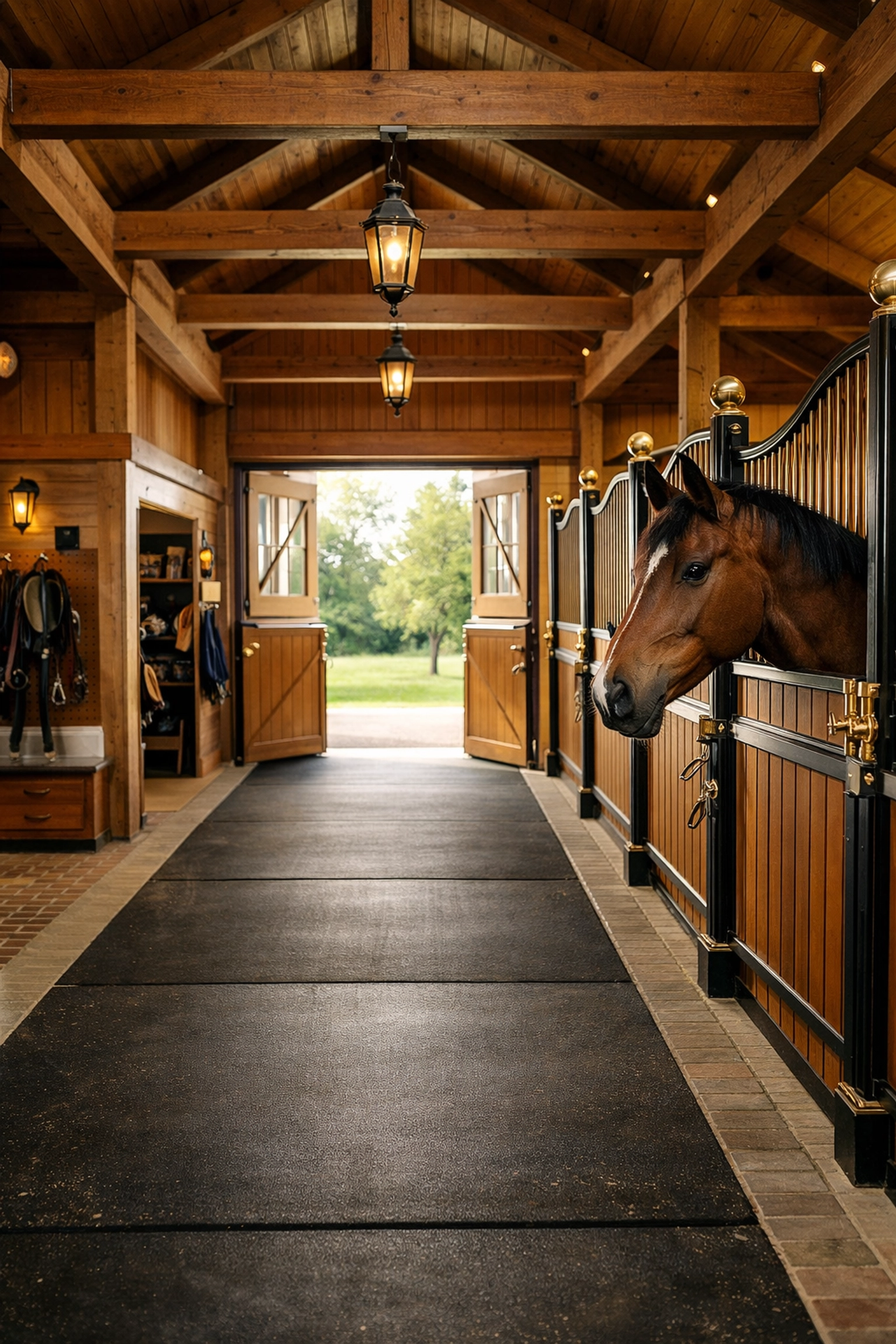
Barn design reveals previous owners' experience level. Four-stall barns with hay storage, tack rooms, and feed rooms represent the minimum functional design for serious horse keeping. Pay attention to stall size (12×12 minimum), aisle width (10-12 feet for safe horse movement), and ventilation systems. Older barns with poor ventilation create respiratory problems; retrofitting proper air exchange is expensive.
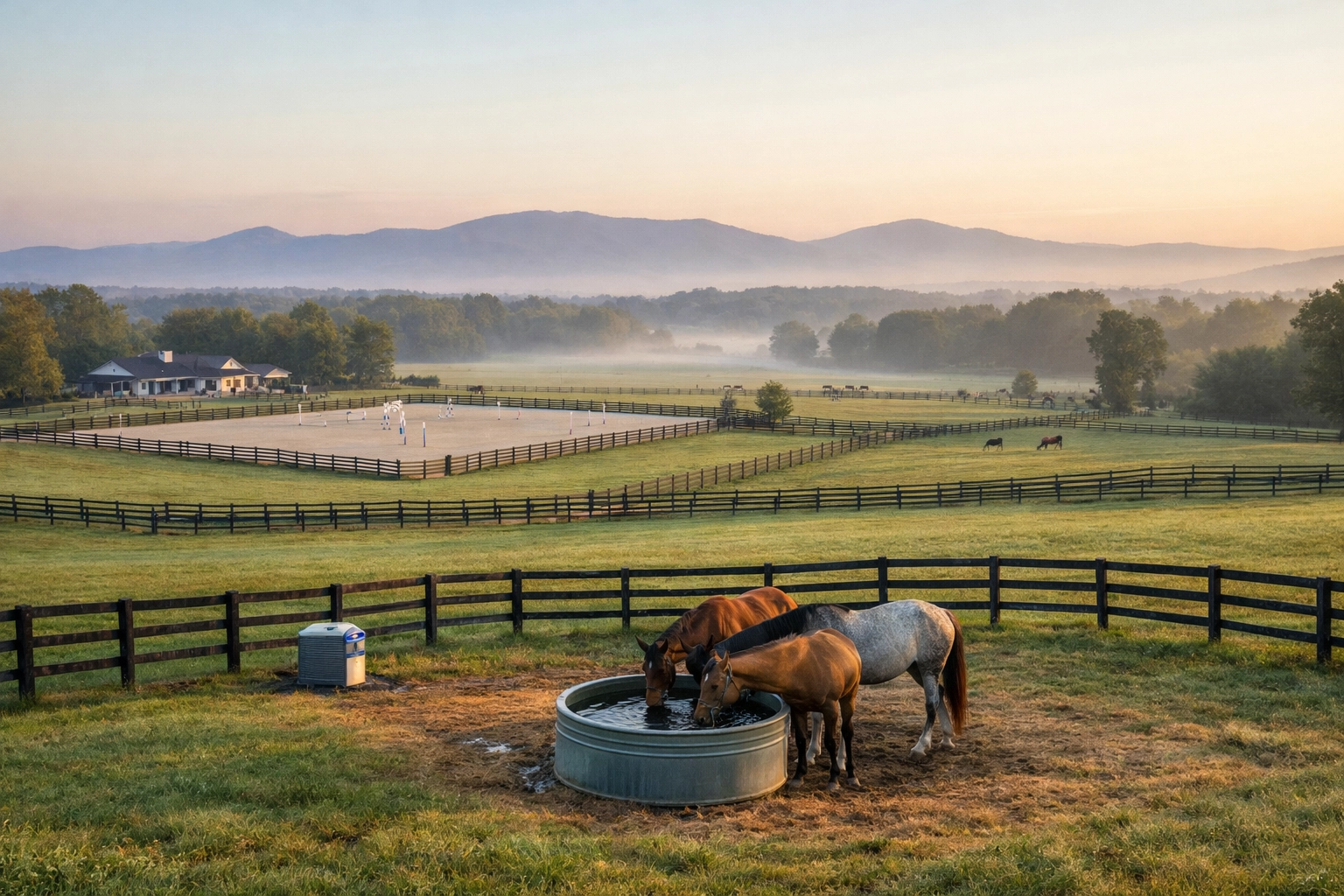
Water access throughout the property isn't negotiable. Automatic waterers in stalls, frost-free hydrants in pastures, and adequate pressure for filling stock tanks during summer months determine whether your daily chore routine takes one hour or three. Properties relying on buckets carried from the house reflect someone who thought horses were romantic but discovered they're work.
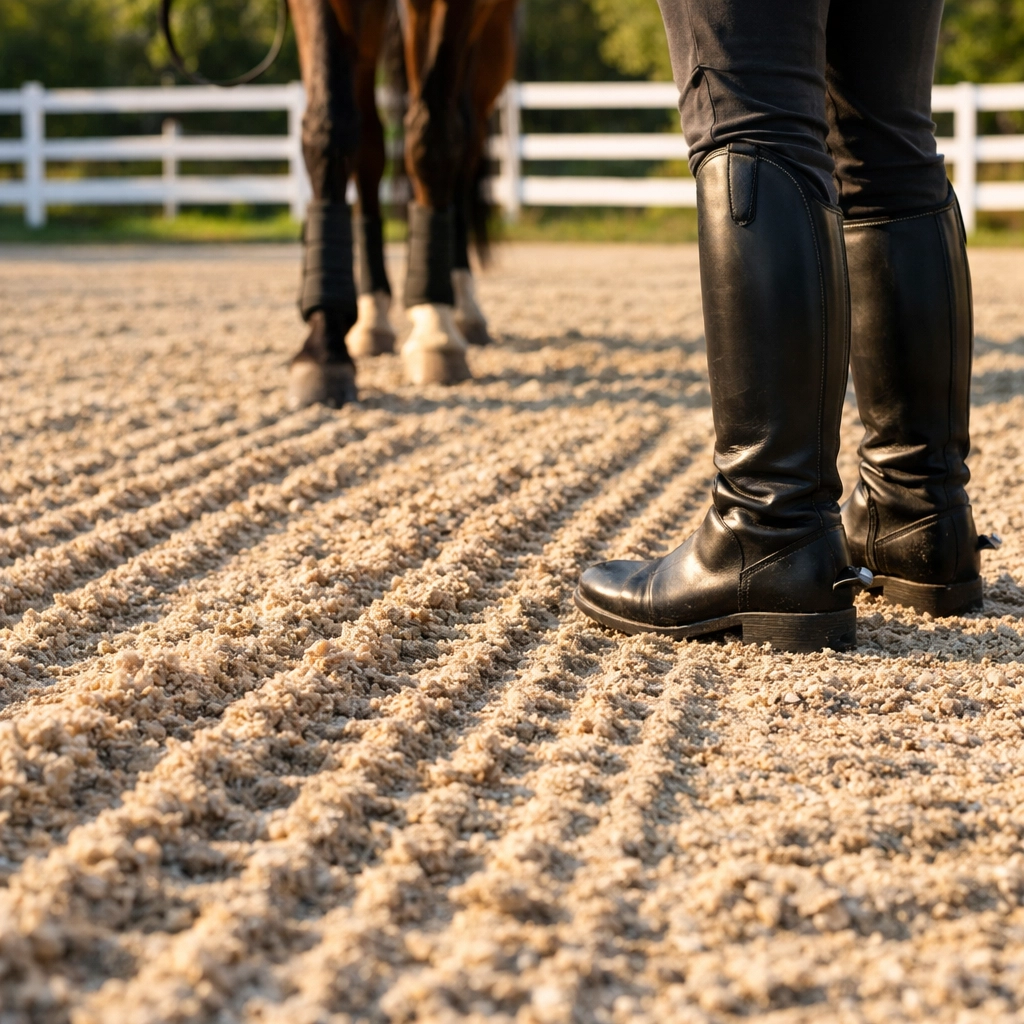
Arena footing represents significant investment when absent. A basic 100×200 arena with proper base material and quality footing costs $30,000-$60,000 to construct. Properties with existing arenas in good condition provide immediate training capability and substantial value compared to raw land requiring development.
What to Investigate Before Making Offers
Every property inspection should include equestrian-specific elements beyond standard home inspection protocols.
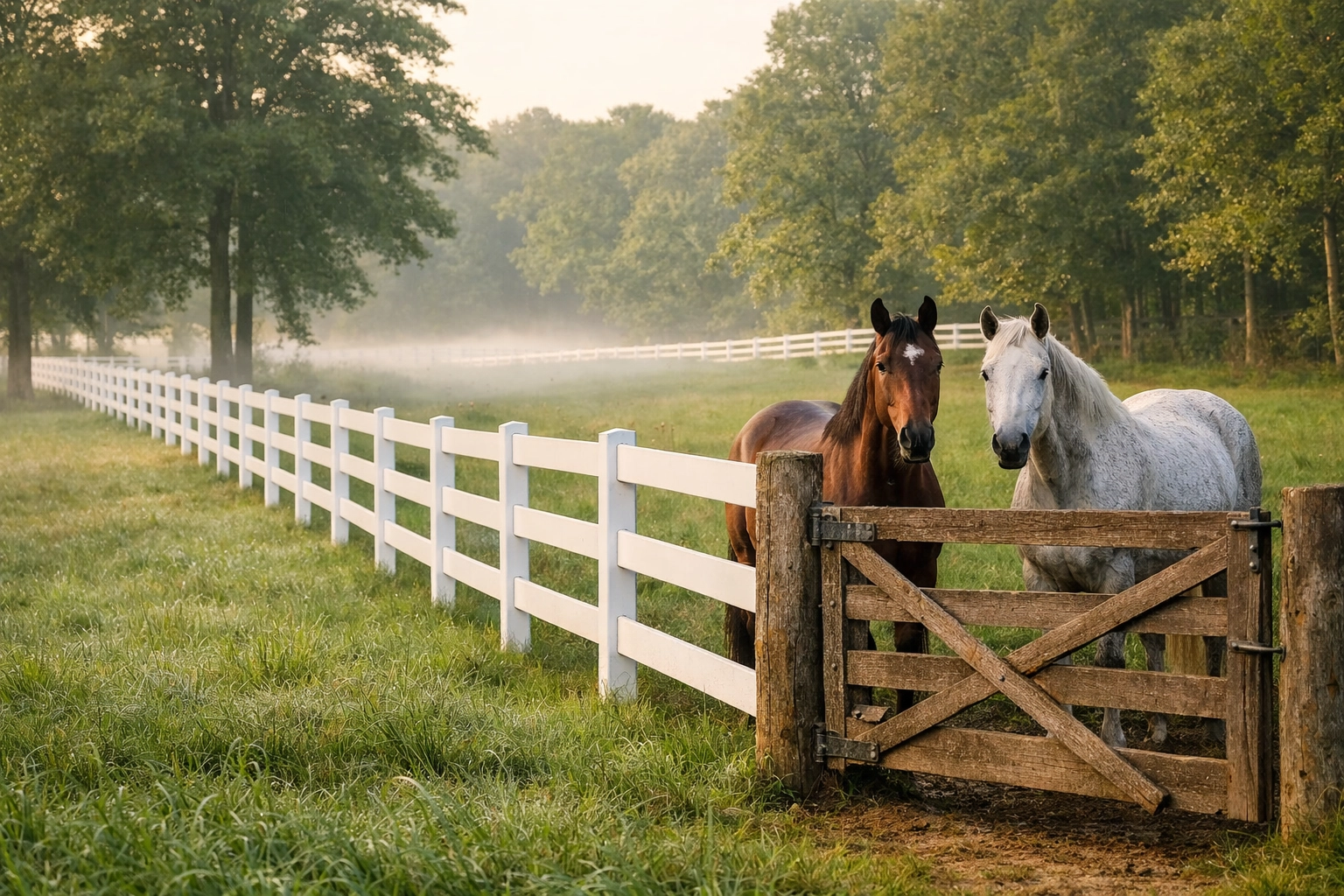
Fencing condition determines immediate budget requirements after closing. Walk every fence line personally: photographs hide deterioration. Budget $3-$5 per linear foot for quality board fence replacement, substantially more for specialized options like Centaur or coated wire systems.
Drainage patterns affect property usability during North Carolina's wet seasons. Stand in low-lying areas during rain or shortly after. Properties with standing water problems create mud management nightmares and limit seasonal pasture access. Observe where water flows during heavy rain and whether barn areas stay dry.
Septic system capacity requires verification when properties include living quarters for managers or staff. Equestrian properties often feature additional bathrooms in barn areas; confirm septic systems handle actual usage rather than minimum design requirements.
Property access during maintenance activities matters daily. Can your hay supplier's truck reach the barn without damaging landscaping? Does the manure removal service have adequate turning radius? Can the veterinarian's truck access all paddock gates? These practical considerations affect your operational efficiency for years.
Zoning Considerations in Union County
Union County's zoning regulations generally support agricultural uses, but specific property restrictions vary by parcel. Verify allowable number of horses per acre, whether commercial boarding or training operations are permitted, and any restrictions on accessory structures like additional barns or covered arenas.
Some properties carry HOA restrictions despite appearing rural. Read every covenant carefully: restrictions on fence types, building colors, or commercial activity can fundamentally alter your intended use. Properties outside formal subdivisions typically offer more flexibility, but always verify rather than assume.
Making Your Decision
Successful horse farm purchases balance emotional appeal with practical analysis. That stunning barn with copper cupolas matters less than proper drainage, quality fencing, and adequate pasture acreage for your specific program.
Calculate your total cost of ownership beyond mortgage payments. Property taxes, fence maintenance, pasture management, arena dragging, and facility insurance create ongoing expenses that vary dramatically between properties. A less expensive purchase price with deferred maintenance often costs more over five years than a higher-priced turnkey operation.
Consider your timeline for facility development. Some buyers prefer purchasing raw land and building exactly what they need; others require immediate operational capability. Waxhaw's market offers both options, but matching property type to your timeline and available capital determines success.
Moving Forward
The Waxhaw equestrian market rewards informed buyers who understand both real estate fundamentals and practical horse keeping requirements. Properties offering quality infrastructure, thoughtful design, and community connections move quickly at fair market prices.
If you're serious about finding your horse farm in Waxhaw, contact our team for a conversation about your specific requirements. We understand equestrian properties from a horse person's perspective: not just as real estate transactions, but as the foundation for the barn life you're building.
Start by clarifying your non-negotiables: minimum acreage, number of stalls, arena requirements, and budget parameters. This focus allows efficient property searches and meaningful property tours. Browse current listings to understand market options and refine your criteria.
Waxhaw offers the equestrian lifestyle you're seeking: accessible, established, and authentically horse-friendly. The right property exists; finding it requires patience, knowledge, and clear priorities. The work you invest in educated searching pays dividends in daily satisfaction for years after closing.