There's a reason Waxhaw continues to draw serious horse people to its red clay and rolling pastures. This isn't the kind of place where equestrian estates are an afterthought: horse properties here were planned and built by people who understand what it takes to keep horses sound, happy, and thriving in the Carolina climate.
If you're searching for a horse farm that balances genuine equestrian functionality with proximity to Charlotte's amenities, Waxhaw deserves your attention. This guide walks through everything that matters: current market conditions, infrastructure essentials, acreage considerations, and the practical details that determine whether a property will support your program or become a constant renovation project.
Understanding the Waxhaw Equestrian Market
The current inventory includes 17 to 45 equestrian properties depending on listing sources, with an average price point of $539,000. Per-acre costs average $50,005, though this figure varies significantly based on improvements, location, and usable pasture versus wooded acreage.
This market offers genuine range. Entry-level properties start around $295,000 for smaller lots with basic infrastructure. Mid-range estates between $500,000 and $1,000,000 typically feature established barns, quality fencing, and pasture systems that don't require immediate overhaul. Premium properties exceed seven figures and include facilities built to support breeding operations, training programs, or client boarding.
Critical Infrastructure: What Separates Functional Farms from Money Pits
Barn Quality and Layout
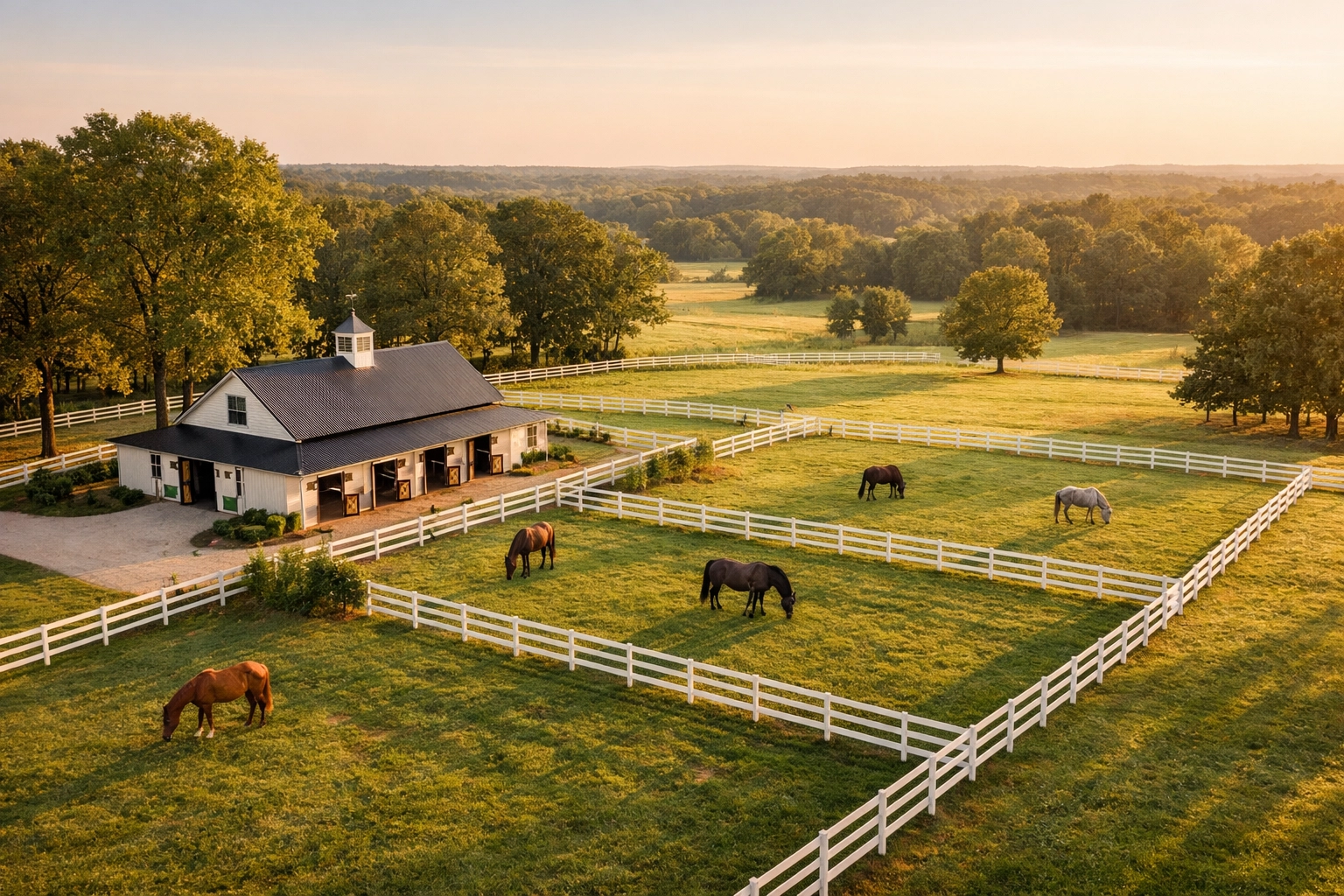
Standard barns in this market feature four-stall configurations with hay lofts, though you'll find everything from modest run-in sheds to 12-stall facilities with apartments and grooming bays. Pay attention to ventilation, footing, and electrical systems: not just stall count. A well-designed four-stall barn with proper airflow and good drainage outperforms a poorly planned eight-stall structure every time.
Run-in sheds matter more than many buyers initially recognize. Quality properties include multiple shelter options across pastures, not just one central barn. This reduces mud concentration, distributes manure load, and gives horses choice in weather: particularly important during Carolina's humid summers.
Arena and Riding Facilities
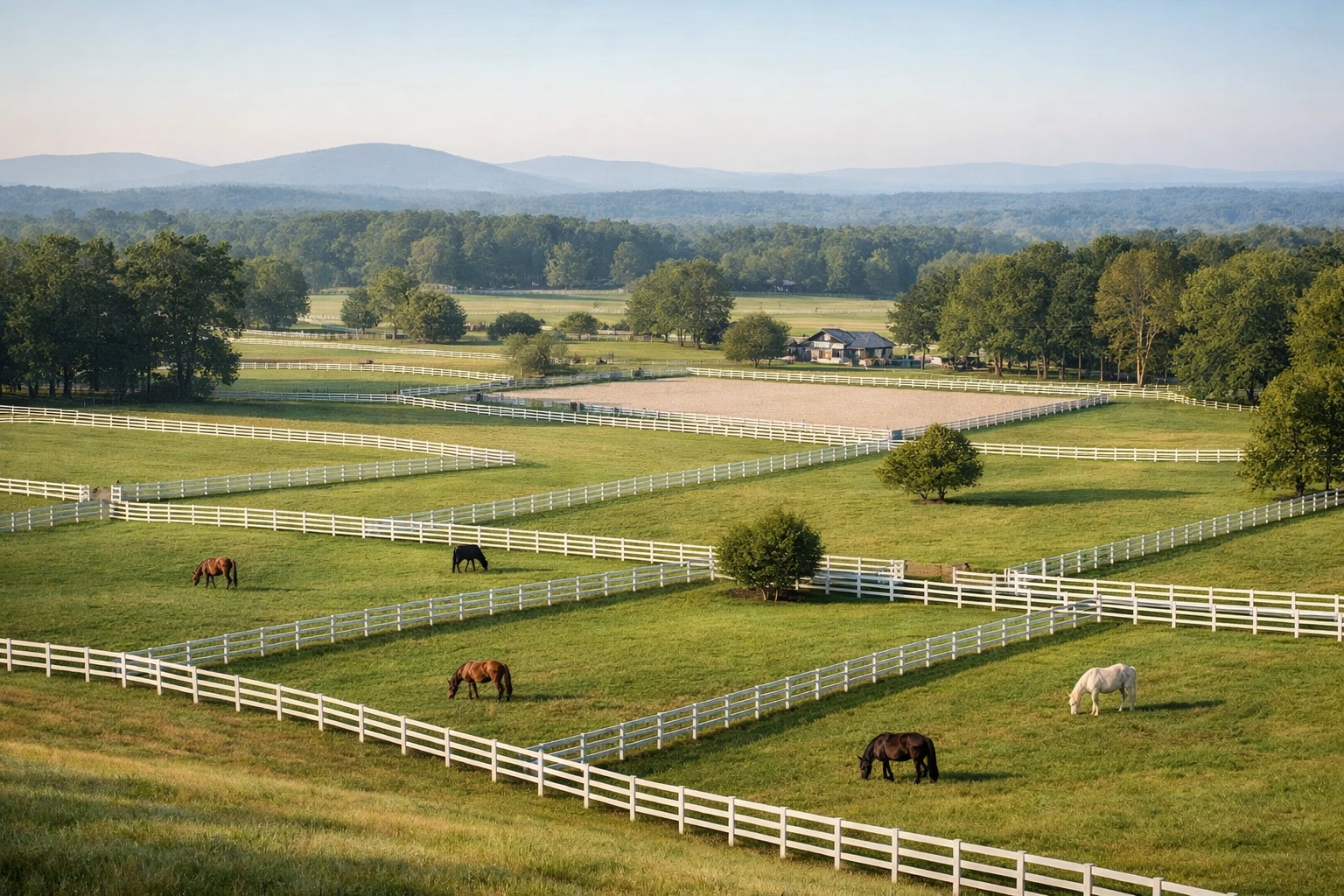
Properties with existing arenas should specify dimensions, footing type, and maintenance history. A 50' x 125' arena with proper base and sprinkler system represents significant value. Many farms include lighted facilities, extending riding hours during winter months. Evaluate drainage patterns around arenas carefully: standing water destroys footing and creates maintenance nightmares.
Indoor arenas remain relatively rare in this price range. If an indoor facility ranks as essential for your program, expect to search longer or consider properties with suitable building sites where you can add one.
Fencing and Pasture Layout
Board fencing dominates the aesthetic here, though quality vinyl and coated wire products are gaining acceptance among practical horse people who prioritize maintenance costs over pure aesthetics. Walk the fence lines. Look for proper tension, absence of protruding nails or splinters, and appropriate height for your horse types.
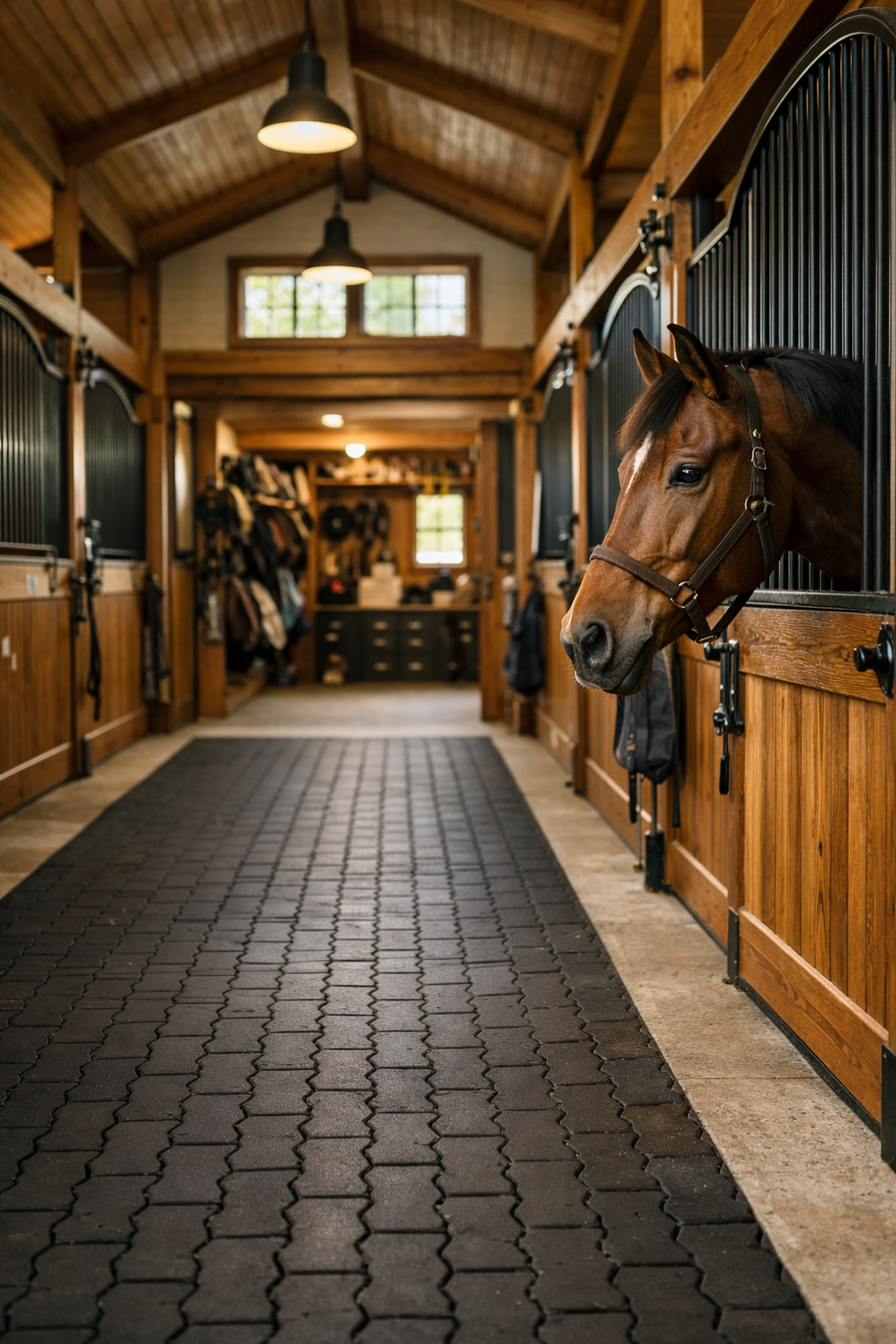
Pasture rotation capability matters more than total acreage for most operations. Properties with 10 acres divided into four to six paddocks support better grazing management than 20 acres with two massive fields. Evaluate gate placement, water access in each paddock, and whether the layout allows you to rest pastures during peak growing season.
Acreage Considerations: Matching Land to Your Program
Small Operations (2-5 Acres)
Properties under five acres suit retired horses, small personal boarding operations, or riders who primarily train off-site. These parcels require careful management but can absolutely support two to four horses with proper rotation and hay supplementation. The trade-off is convenience: you're 30 minutes from downtown Charlotte and close to quality feed stores, veterinarians, and farriers.
Mid-Size Properties (5-15 Acres)
This range represents the sweet spot for many serious amateurs and small professionals. You gain genuine pasture management options, space for arenas and turnout, and enough buffer from neighbors to operate without constant concern about noise or dust complaints. Properties in this category typically include mature hardwoods, some open pasture, and room to expand facilities if your program grows.
Larger Estates (15+ Acres)
Farms exceeding 15 acres support breeding operations, training programs with client horses, or riders who value privacy and room to build extensive trail systems on-property. Some properties in this range include nature preserve areas and mature landscaping that creates the kind of setting where clients want to board or train.
Trail Access and Riding Community
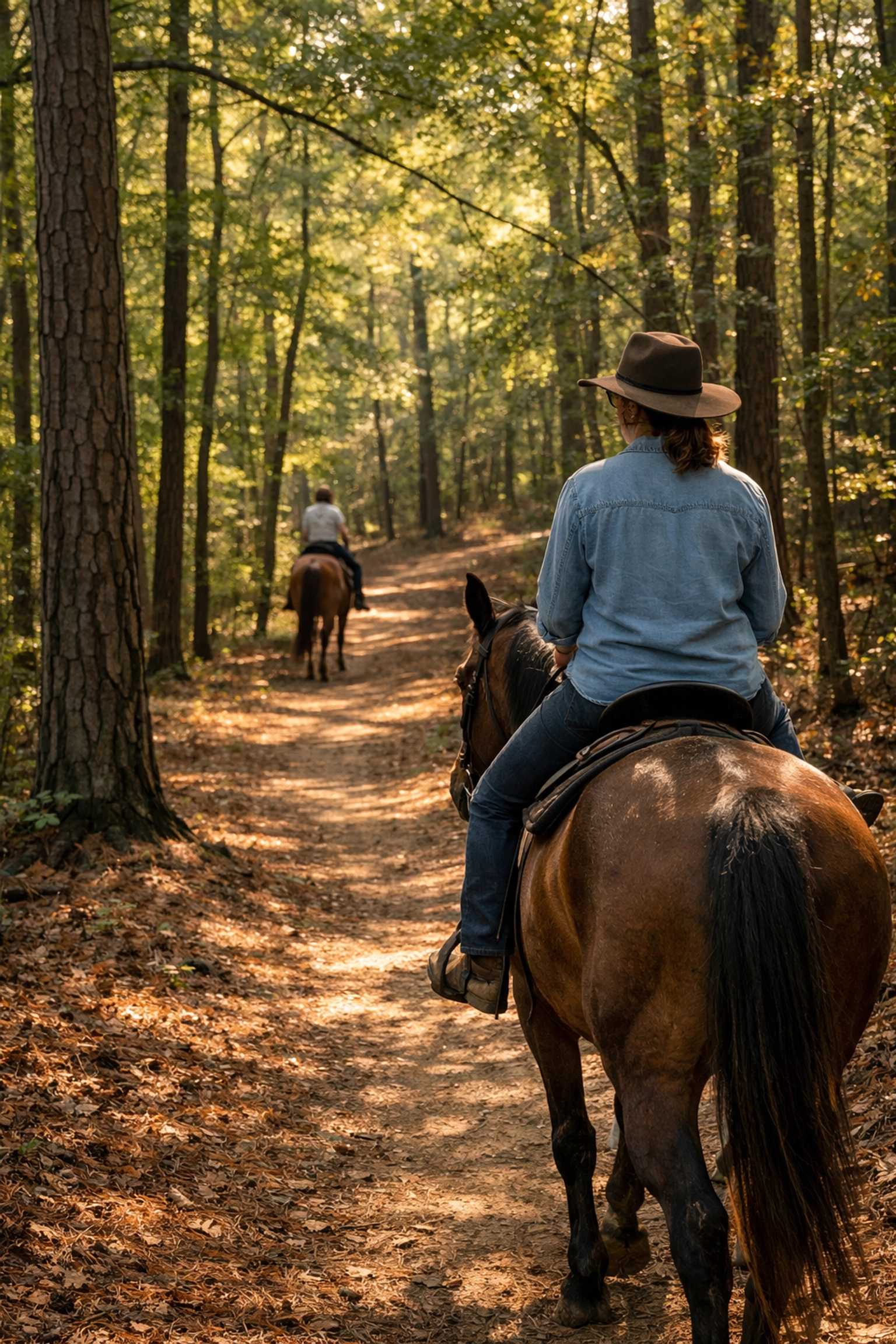
Waxhaw's location provides access to Cane Creek Park, a 1,100-acre facility with extensive riding trails that draws equestrians from across the region. Mineral Springs Greenway offers additional trail options within short trailering distance. This access matters: having quality trails nearby means you can vary your horses' work, build fitness on terrain, and tap into a broader riding community.
The area's equestrian culture runs deeper than facilities alone. Waxhaw was home to the Waxhaws tribe, and the region's agricultural character persists despite development pressure. You'll find feed stores that actually stock what you need, veterinarians who understand performance horses, and farriers who stay busy enough to maintain their skills but not so overbooked that you can't get scheduled.
Price Ranges and Realistic Expectations
$295,000-$390,000
Entry-level properties at this price point typically include smaller lots, basic barn structures, and limited pasture. These farms work for buyers willing to invest in improvements or those keeping one to two horses primarily for personal use. Expect to add fencing, improve drainage, or upgrade electrical systems.
$500,000-$750,000
Mid-market properties offer established infrastructure, functional barns, quality fencing, and enough acreage to support proper pasture rotation. These farms often come from owners who maintained them properly: you're buying functional systems, not renovation projects. This range suits serious amateurs, small breeding operations, or professionals starting client-based programs.
$750,000-$1,000,000+
Premium estates include facilities built to support commercial operations. Expect multiple barns, established arenas, comprehensive fencing systems, and property layouts designed for efficiency. Some include homes with quality finishes, guest houses, or apartments for farm staff. Properties at this level should allow you to move horses in and begin operations immediately.
Zoning and Practical Considerations
Union County zoning generally supports agricultural use, but specific regulations affect building placement, barn construction, and whether you can operate a commercial boarding or training facility. Properties zoned agricultural typically allow barns, arenas, and personal horse keeping without extensive permitting. Commercial operations may require additional review depending on scale and traffic impact.
Soil composition across Waxhaw varies from rich bottomland to red clay with drainage challenges. Properties with established pastures demonstrate which areas support good grass growth and which require more intensive management. Mature trees, while beautiful, create shade patterns that affect pasture quality: something to balance against aesthetic preferences.
Water access reliability matters year-round. Properties with pond access, multiple frost-free hydrants, or automatic waterers in each paddock save hours of winter chores and reduce the risk of dehydration during summer heat. Wells should be evaluated for capacity if you're planning to support multiple horses, irrigate arenas, or add wash stalls.
Working With Specialized Real Estate Knowledge
Horse farm transactions require different expertise than residential real estate. Understanding barn construction quality, evaluating pasture drainage, recognizing proper fence installation, and assessing arena footing all demand specialized knowledge. Working with agents who understand equestrian properties means you'll identify potential issues before they become expensive surprises after closing.
The best properties move quickly in this market, particularly those priced appropriately with quality infrastructure already in place. Serious buyers benefit from pre-qualification for specialized rural property financing and clear understanding of their program requirements before beginning the search process.
Moving Forward With Confidence
Waxhaw offers genuine opportunities for horse people seeking functional farms within reach of Charlotte's amenities and professional services. The market includes properties at multiple price points, from starter farms to established estates, with infrastructure ranging from basic to comprehensive.
Success in this market comes from clear priorities, realistic budgets, and willingness to act decisively when the right property appears. Understanding what you're looking at: and what questions to ask: determines whether you find a farm that supports your program or spend years correcting someone else's poor decisions.
If you're serious about finding a horse farm in Waxhaw that matches your program and budget, contact our team to discuss current inventory and upcoming listings. We understand equestrian properties because we're horse people first: and that perspective makes all the difference when you're making one of the most important decisions for your horses and your future.