Waxhaw isn't just another Charlotte suburb with paddocks, it's a genuine equestrian community where your neighbors understand why you're up at 5 AM and why your truck smells like shavings. If you're searching for horse property that balances land quality, community, and accessibility, Waxhaw deserves serious consideration.
The Waxhaw Equestrian Market: What You Need to Know
The current market offers 45+ active horse property listings, ranging from starter farms to full-scale training facilities. Average listing prices sit around $537,700, with per-acre costs averaging $49,884, competitive for the Charlotte Metro area considering what you're getting in return.
Properties move at a moderate pace, typically staying on market for 52 days. This timeline gives serious buyers space to conduct proper due diligence without the pressure-cooker environment you'll find closer to Charlotte's urban core.
The inventory spans a genuine range: three-acre turnkey operations starting around $295,000 up to premier estates exceeding $1.5 million with custom barns, covered arenas, and homes that match the quality of your stable design.
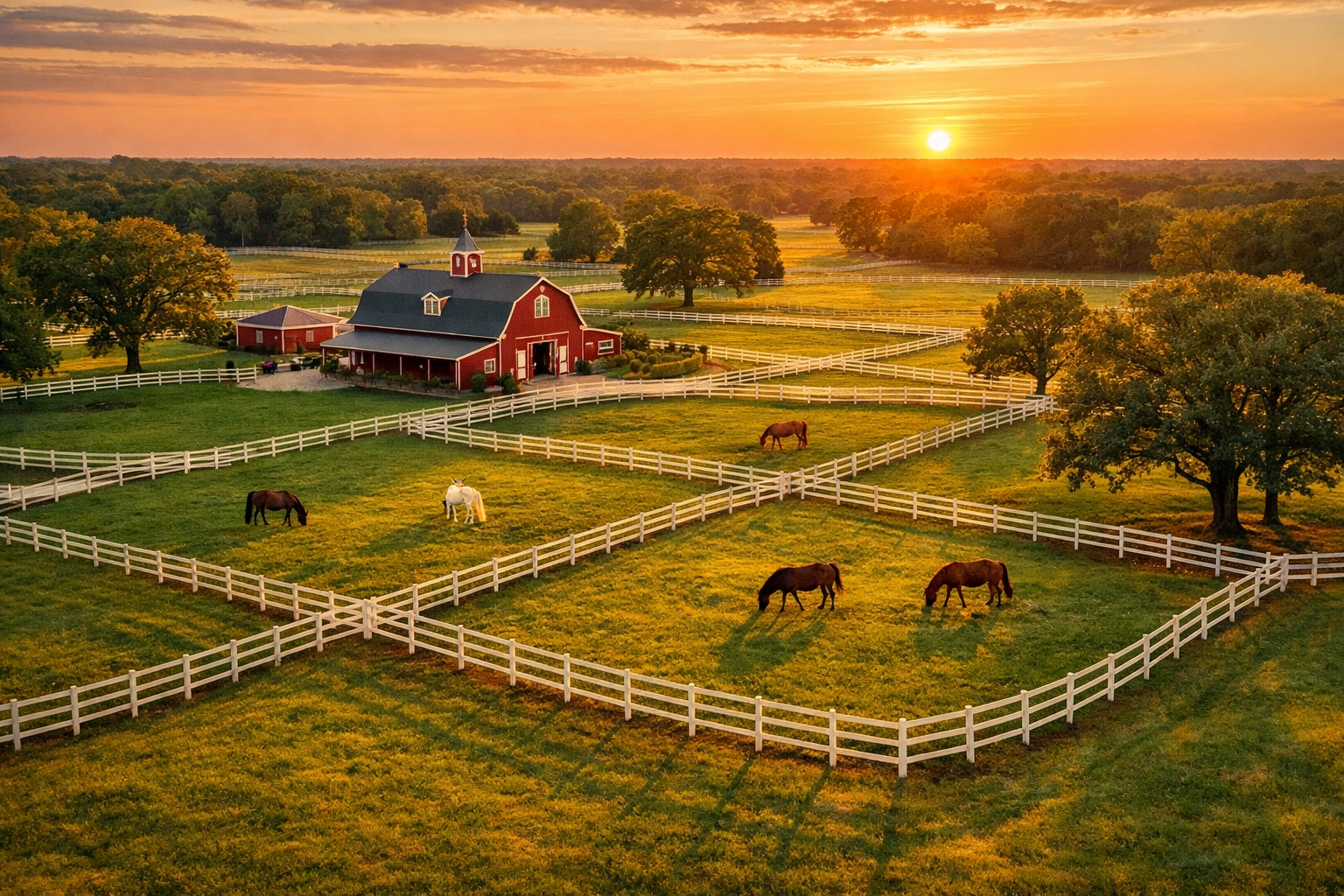
Why Waxhaw Works for Horse People
Location matters differently when you own horses. You're not just thinking about your commute, you're considering hay delivery access, veterinary response times, and whether your farrier will grumble about the drive.
Waxhaw sits in Union County, which maintains agricultural-friendly zoning that actually supports livestock operations rather than merely tolerating them. The township itself preserves its historic character while accommodating growth, meaning you get modern conveniences without sacrificing the rural feel that makes horse property livable.
The Mineral Springs Greenway and Cane Creek Park's 1,100 acres provide trail access without trailering off your property. When you can hack out your young horses or cool down your eventers on varied terrain, it changes your daily routine entirely.
Water quality runs high here, the Carolina clay you'll deal with exists, but groundwater tables support healthy pasture growth with proper management. The mild winters mean less blanket juggling and more riding days per year than you'd find an hour north.
Property Types: Understanding Your Options
Working Training Facilities
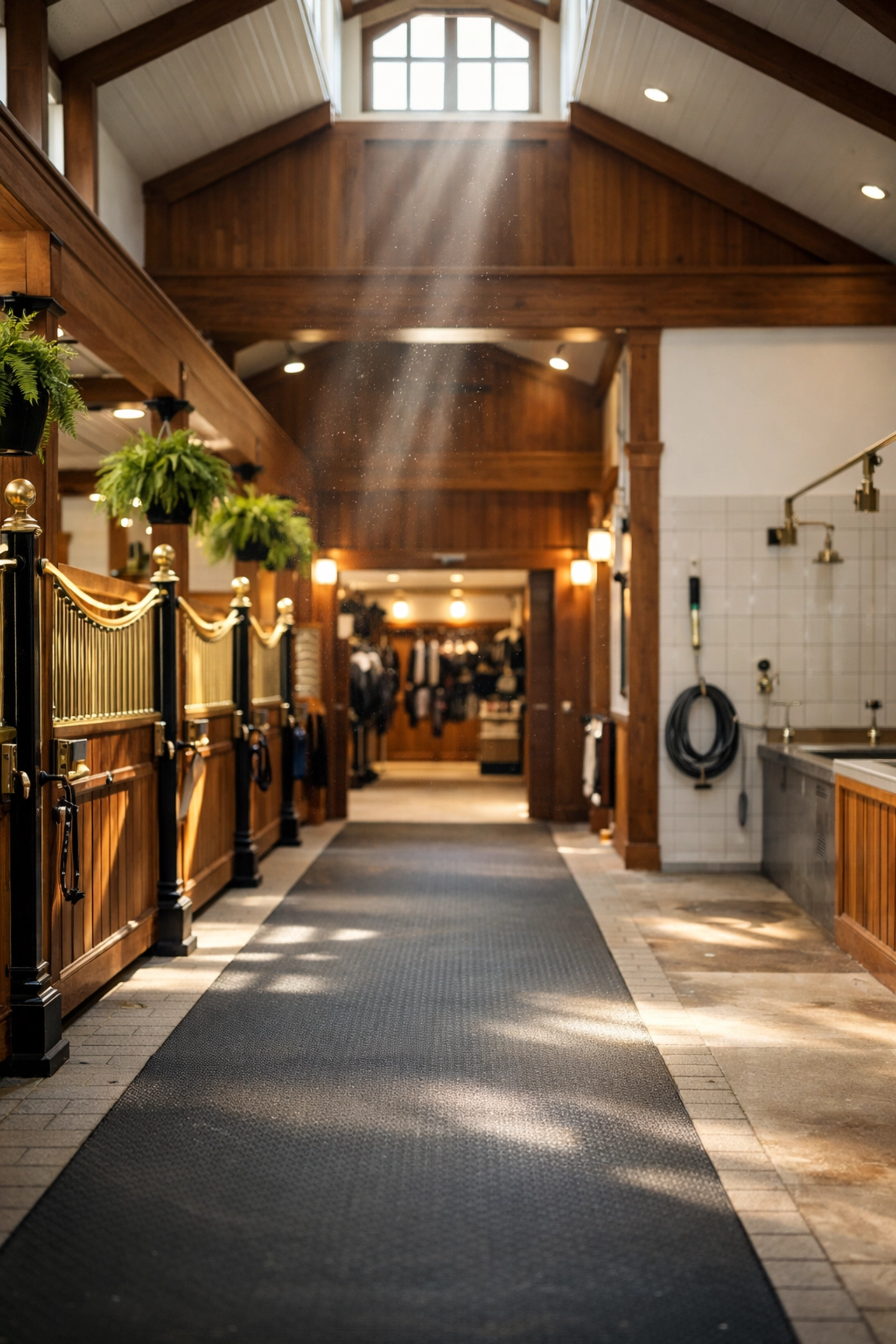
At the upper end, you'll find properties designed for professional operations. These typically feature 8-12 stall barns with separate tack rooms, wash stalls with hot water, dedicated feed rooms with rodent-proof storage, and covered or indoor arenas ranging from 80' × 200' to regulation dressage size.
The best include thoughtful details: rubber-matted aisles, efficient muck storage positioned away from prevailing winds, separate equipment buildings, and attached apartments for working students or staff.
Mid-Size Private Estates
The 5-10 acre properties with 4-6 stall barns represent Waxhaw's sweet spot for serious amateurs. These farms typically include quality four-rail fencing, run-in sheds, lighted outdoor arenas around 100' × 200', and homes built with horse owners in mind, mudrooms that actually handle dirty boots, large kitchen windows overlooking the barn, covered porches for morning coffee while watching turnout.
Look for properties with separate paddocks that allow rotation, not just one large field. Multiple water sources matter more than most buyers realize until they're dragging hoses in August.
Starter Properties
Smaller acreage under five acres works for retired horses, young stock, or owners boarding out but wanting horses at home part-time. These properties require careful evaluation, tight acreage demands better infrastructure to succeed. Adequate shelter, smart fence lines that maximize usable space, and excellent drainage become non-negotiable rather than nice-to-have features.
Critical Features That Determine Long-Term Success
Barn Quality and Design
Pre-fabricated pole barns can work, but examine the construction. Proper ventilation prevents respiratory issues that plague sealed structures. Twelve-foot aisle widths allow safe horse movement and equipment access. Stall sizes matter, cramped 10' × 10' boxes cause behavioral issues in horses that stand 16+ hands.
Check electrical systems carefully. Barns need adequate outlets positioned away from curious mouths, proper lighting that doesn't create blind spots when leading horses, and circuits that handle block heaters, water trough de-icers, and clippers simultaneously.
Pasture Health and Fencing
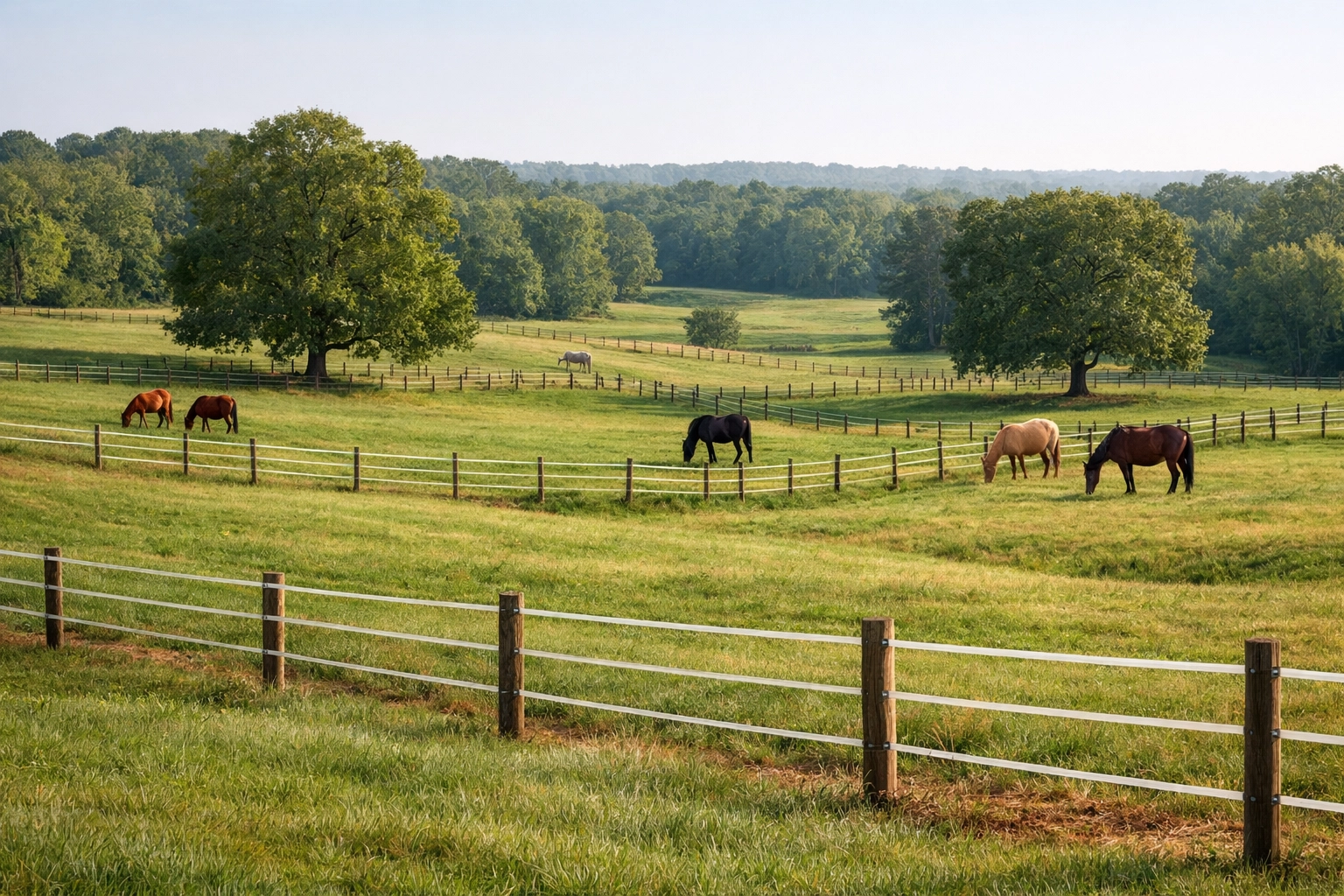
Walk the fence lines. Four-rail wood looks elegant but requires maintenance. Well-installed high-tensile wire with visibility strips works reliably. Avoid barbed wire entirely, repair costs from horse injuries exceed fence replacement.
Evaluate pasture composition. Healthy stands of fescue, orchard grass, and clover indicate soil that supports grazing. Bare spots, standing water, or predominant weeds signal drainage issues or depleted soil requiring significant investment to rehabilitate.
Rotational grazing becomes difficult on properties without adequate cross-fencing. Converting one large field into a rotation system requires substantial fencing investment and often reveals grading issues masked by continuous grazing.
Arena Footing and Drainage
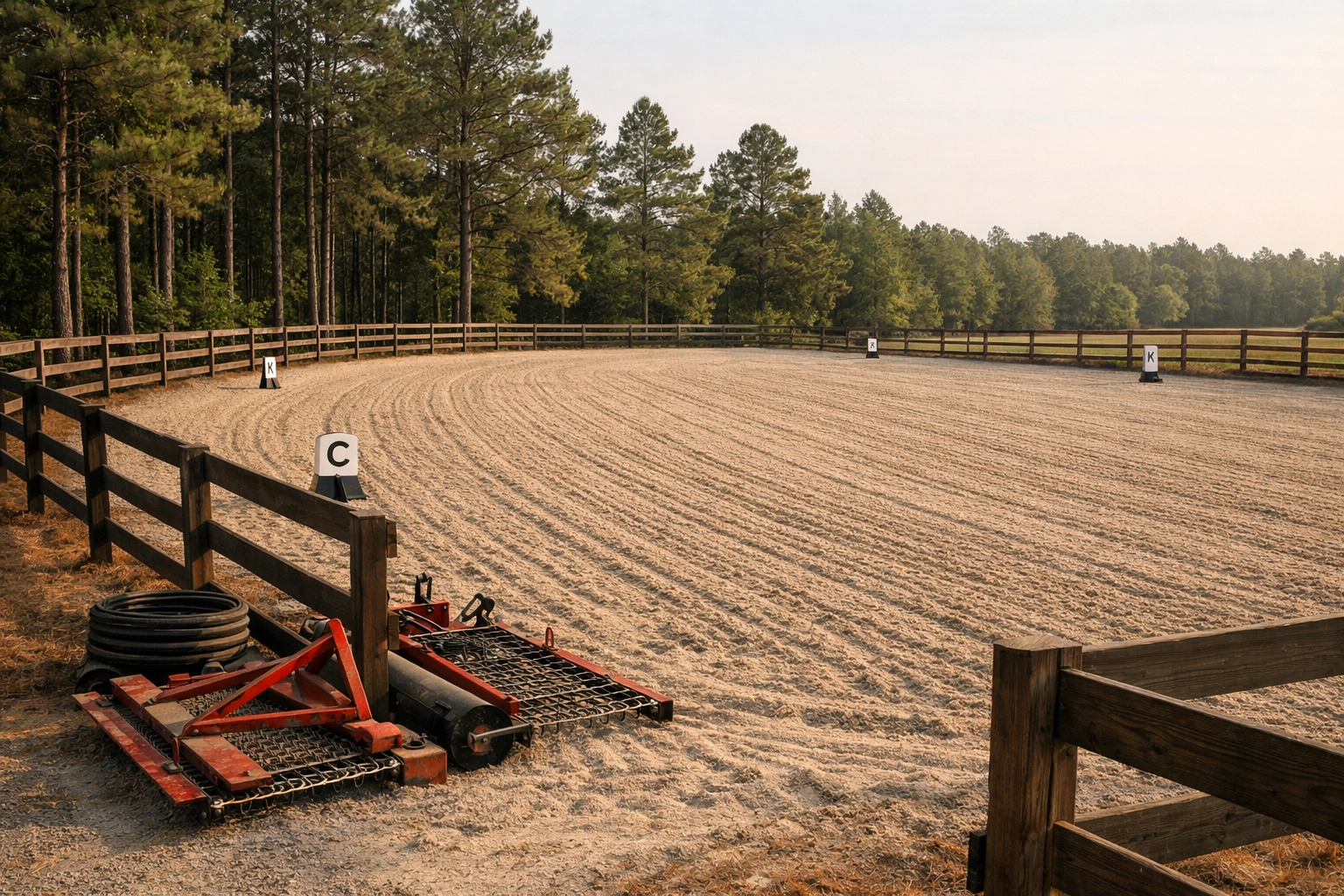
Outdoor arenas require proper base construction, not just dragged dirt in a flat spot. Quality footing includes base layers of drainage rock, intermediate layers that prevent migration, and top surfaces appropriate for your discipline. Budget $15,000-$30,000 for professional arena construction if you're adding one.
Covered arenas in this climate provide value year-round. Summer storms and winter mud limit riding without cover. If the property lacks covered space, evaluate whether zoning and lot layout accommodate future construction.
Location-Specific Advantages
Waxhaw's position fifteen minutes south of Weddington and twenty-five minutes from south Charlotte provides accessibility without urban pressure. Large animal veterinarians service this area readily, you're not waiting hours for colic calls.
The village itself offers actual amenities: feed stores that stock quality hay and supplements, tack shops run by people who've forgotten more about bits than most trainers learn, and farriers with availability.
Schools in Union County maintain strong reputations, which matters for families unwilling to compromise children's education for horse property. The commute to Charlotte remains manageable for professionals working hybrid schedules.
What First-Time Horse Farm Buyers Miss
Maintenance costs exceed expectations. Budget for fence repairs, arena dragging, pasture reseeding, and barn upkeep beyond your mortgage payment. Properties requiring deferred maintenance consume time and money that prevents actual riding.
Water matters more than aesthetic features. Automatic waterers freeze. Hoses split. Wells run dry during droughts. Verify water sources and backup systems before aesthetic considerations.
Seller motivations affect negotiations. Empty-nesters downsizing approach sales differently than investors flipping properties. Understanding backstory provides negotiating insight most buyers overlook.
Starting Your Search Strategically
Define your non-negotiables before viewing properties. Most buyers compromise on house features before barn quality, they're correct. You'll spend more time in the barn than the formal dining room you think you need.
Consider properties slightly above your target acreage if they offer superior infrastructure. Five acres with quality fencing, excellent drainage, and a solid six-stall barn outperforms ten acres requiring complete fence replacement and barn renovation.
Work with representation that understands equestrian property requirements. Agents unfamiliar with horse farms miss critical details that create expensive surprises post-purchase. Proper due diligence includes soil tests, well capacity verification, and septic system evaluation: standard home inspections don't cover what matters for agricultural operations.
Moving Forward With Confidence
Waxhaw's equestrian market offers genuine options across price points and property types. The community supports horse ownership through agricultural zoning, established service networks, and fellow owners who understand the lifestyle.
Success requires balancing practical evaluation with the emotional pull of finding your place. Properties that support your horses' physical needs while feeding your soul exist here: finding them demands patience and proper guidance.
If you're ready to explore what Waxhaw offers, view our current listings or reach out to discuss your specific requirements. We'll help you find property that works for your horses first and everything else second: because that's the only approach that creates long-term satisfaction.