When riders talk about Tryon, there's a particular tone in their voice: a mix of respect and aspiration. In 2026, that reverence hasn't diminished. If anything, the region's status as one of North America's premier equestrian destinations has solidified further, drawing professionals, amateurs, and those simply seeking to live where horses come first.
The question isn't whether Tryon remains relevant. It's whether you're ready to be part of what makes it exceptional.
World-Class Infrastructure That Actually Delivers
Tryon International Equestrian Center isn't just impressive on paper. The facility operates with 13 all-weather competition rings engineered to international standards, an expansive indoor complex, and more than 1,400 permanent stalls. These aren't vanity metrics: they're the foundation that allows the venue to host 12 or more disciplines throughout the year, from FEI-level dressage and show jumping to hunters, eventing, and para dressage.
For property buyers, this infrastructure translates to proximity to training resources that most equestrians spend a lifetime traveling to access. Live within a 30-minute radius, and you're training where Olympians tune up between international tours. Your young horses can experience atmosphere and professional footing without a trailer ride across state lines.
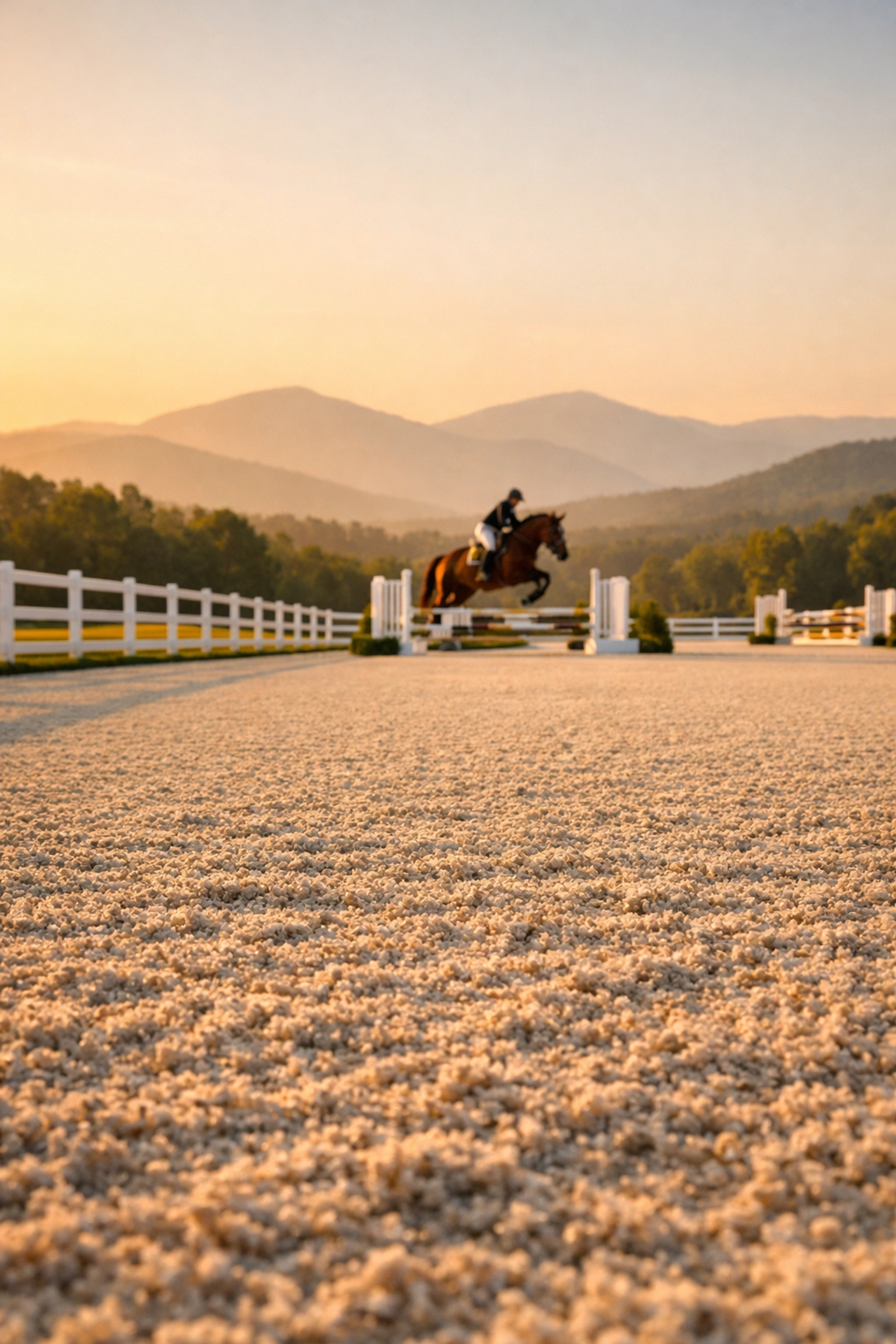
The permanence of these facilities matters. Too many equestrian centers rise with enthusiasm and fade when economic pressures mount. Tryon International has proven staying power, with continuous investment in surfaces, technology, and hospitality infrastructure that suggests decades of commitment, not a short-term play.
A Competition Calendar That Shapes Careers
The 2026 season calendar reveals why serious competitors are relocating to Tryon's orbit. The National Horse Show: a 140-year institution previously housed in Kentucky: now calls Tryon home, with dual dates scheduled for October 21-25 and October 27-November 1. This isn't a regional show that added "National" to its name for marketing. This is American show jumping history, and its permanent relocation to North Carolina signals where the sport's center of gravity has shifted.
The Tryon Spring Series runs from late April through early June, offering competitors a steady progression of classes across multiple disciplines. The Tryon Summer Series follows in mid-June through early August, creating a nearly uninterrupted season that rivals Wellington's winter circuit in scope and quality.
Between these anchor events, the IHSA National Championship in early May brings the nation's top collegiate riders to town, and countless other regional and national competitions fill the calendar. The practical advantage: you can build an entire competitive season without leaving your home base.
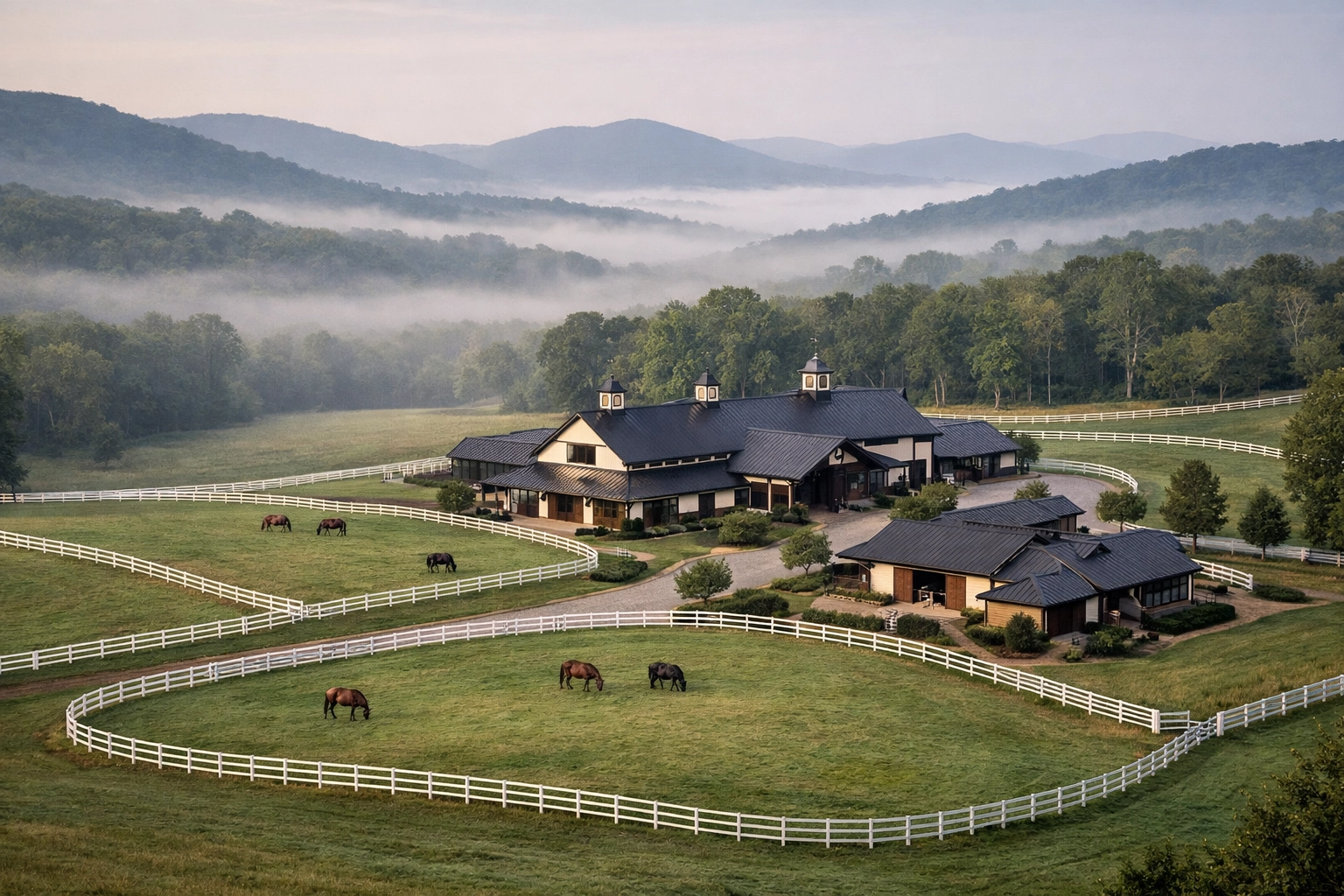
For equestrian property buyers, this calendar density creates value beyond blue ribbons. Barn managers find reliable clients who need training and boarding between competitions. Professionals can fill clinics and teaching schedules without cold-calling for business. The economic ecosystem that develops around sustained equestrian activity provides income streams that support horse property ownership in ways that isolated rural locations cannot match.
The Blue Ridge Foothills Difference
Tryon sits where the Piedmont yields to the mountains, creating topography that satisfies both the eye and the practical requirements of horse keeping. The elevation: ranging from 1,000 to 1,200 feet: provides natural drainage that keeps pastures workable through North Carolina's humid summers. The rolling terrain offers privacy without the flat monotony that characterizes some equestrian regions.
The climate proves temperate enough for year-round riding without the weather extremes that plague northern barns in January or Florida properties in August. Winters occasionally bring snow to the higher elevations, but extended freezing periods that crack water lines and ice over paddocks are rare. Summers stay warm but benefit from mountain breezes that provide relief absent in the lower Piedmont.
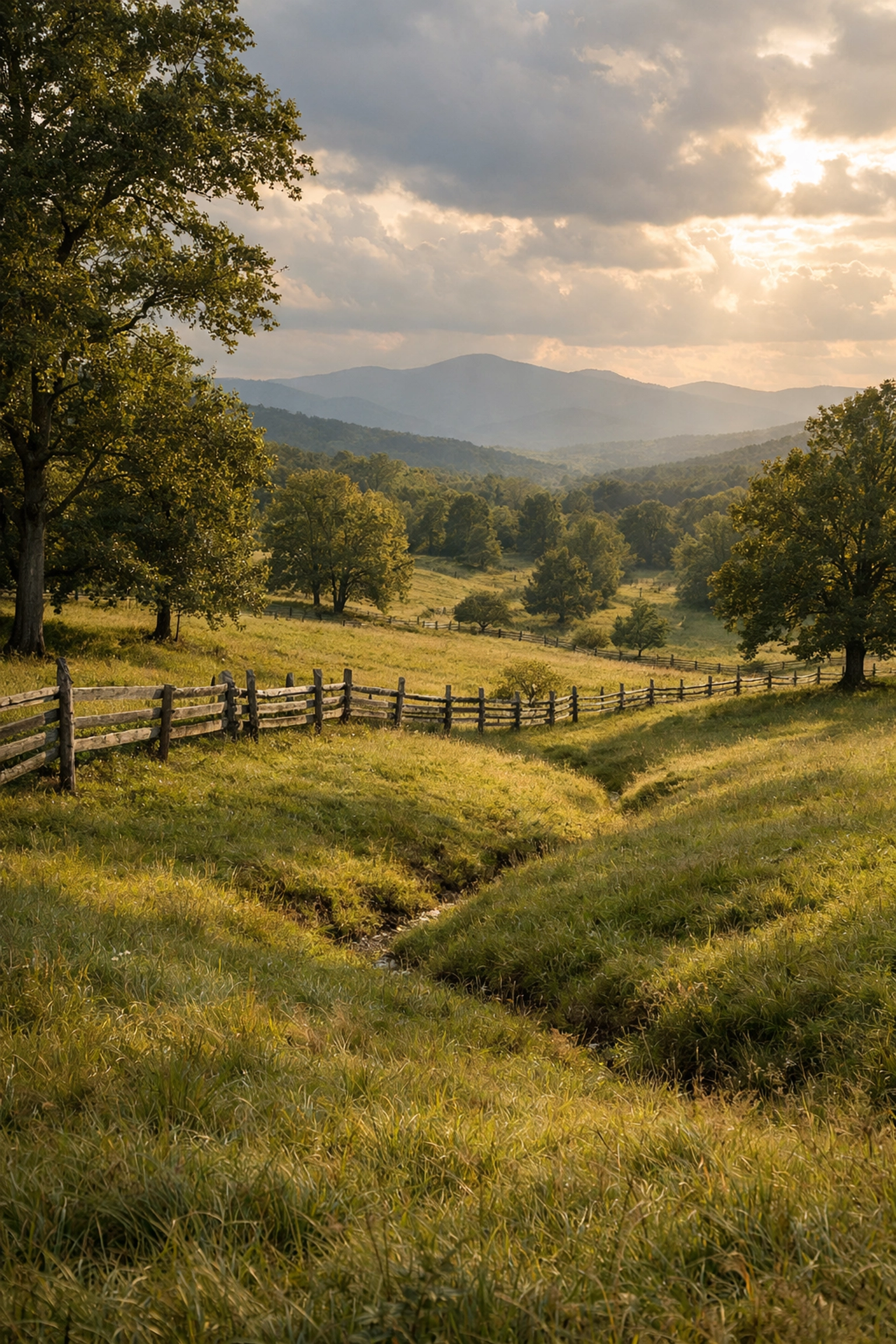
This geography attracts a particular type of horse owner: those who appreciate natural beauty but refuse to sacrifice functionality for aesthetics. Properties here tend toward understated elegance: well-maintained fencing that follows the land's contours, barn siting that takes advantage of natural windbreaks, and pasture layouts that balance grazing efficiency with visual appeal.
Properties Built Around Horses, Not Trophy Homes
The equestrian estates in Tryon Horse Country reflect a different set of priorities than what you'll find in suburban Charlotte or even other Carolina horse communities. These properties were often designed by riders who understand that the barn matters as much as the house: sometimes more.
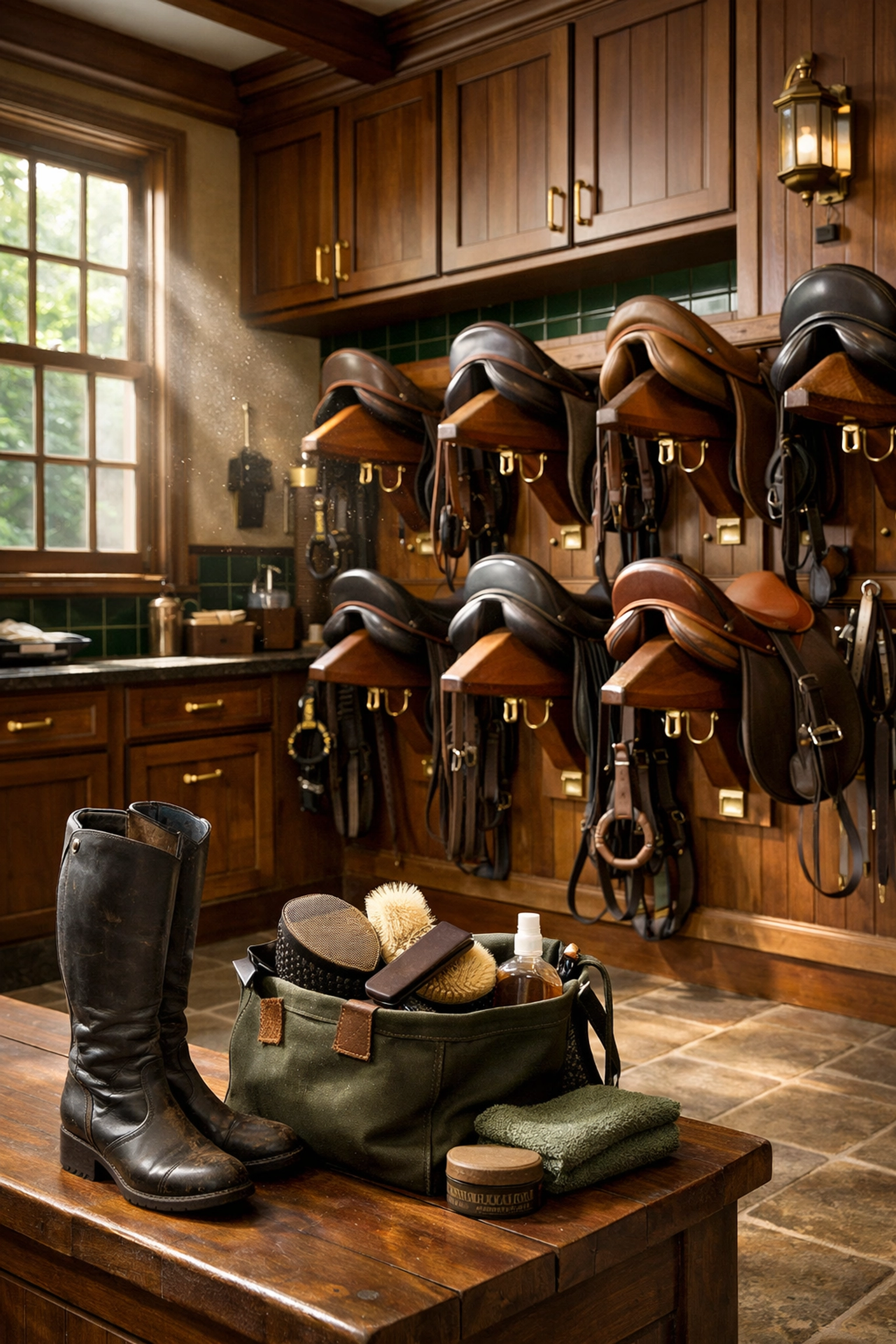
You'll find thoughtful details: wash racks with proper drainage, tack rooms with climate control for leather preservation, hay barns positioned for easy truck access but distant enough from the main barn to reduce fire risk. Feed rooms are built with rodent-proof construction. Arenas are sized for the disciplines practiced, not just installed because having an arena seemed like the thing to do.
The housing stock ranges from modest farmhouses that have sheltered generations of horsemen to contemporary designs that prove luxury and functionality aren't mutually exclusive. What they share is a recognition that this is horse country first. The home exists to support the equestrian lifestyle, not the other way around.
Property sizes typically start at 10 acres and extend well beyond 100, providing genuine room for sustainable horse keeping. You're not negotiating with HOAs about whether four horses qualifies as a "hobby farm" or defending your manure pile to neighbors who moved here for the rural aesthetic but object to rural realities.
Community Built on Shared Understanding
Perhaps Tryon's greatest asset isn't visible from satellite imagery or listed in facility specifications. It's the community of people who've chosen to build their lives here because horses aren't a phase or an affectation: they're fundamental.
Your neighbors understand why you need to check on a colicky horse at 2 AM. Local veterinarians maintain practices with genuine emergency capacity, not answering services that route you to a clinic two counties away. Farriers schedule regular routes through the area because the client density supports full-time professional practices. Feed stores stock what you actually need, not the hobby-farm basics that frustrate serious horsemen.
The Overmountain Lodge and expanding hospitality infrastructure at Tryon International means your out-of-town trainer or visiting clients have quality accommodations without a 45-minute drive. The restaurants in Tryon and nearby Columbus cater to early-morning riders who need substantial breakfast and evening diners still wearing boots because there wasn't time to change between teaching and dinner.
This ecosystem doesn't emerge overnight. It's the product of decades of equestrian activity attracting like-minded people who create businesses, services, and social structures that reinforce the lifestyle. Tryon has reached critical mass: the point where the equestrian community becomes self-sustaining and continually regenerating.
Market Realities in 2026
The equestrian property market in Tryon Horse Country reflects both opportunity and competition. Prices have appreciated as the area's reputation has grown, but values remain grounded in agricultural land economics rather than the speculative fervor that periodically grips recreational property markets.
Well-maintained farms with functional improvements trade quickly. Properties that require substantial infrastructure investment or extensive pasture rehabilitation move more slowly, creating opportunities for buyers willing to invest time and capital into transformation. The key is understanding what you're looking at: not every 50-acre parcel with old fencing and a gambrel barn represents the same value proposition.
Financing remains accessible for qualified buyers, with lenders familiar with equestrian property evaluation willing to work within the longer timelines these transactions sometimes require. Properties generating agricultural income through boarding, training, or breeding operations may qualify for favorable loan terms that reflect their productive use.
Finding Your Place in Tryon's Story
Tryon Horse Country in 2026 isn't for everyone. If your primary concern is minimizing commute time to a corporate office or you need big-box retail within 10 minutes, this probably isn't your landscape. If you're looking for horse property as a weekend retreat that might get used once a month, you'll find more economical options elsewhere.
But if you're serious about horses: if your life revolves around training schedules, competition calendars, and the daily rhythm of barn work: Tryon offers what few places can match. World-class facilities are your neighbor, not your vacation destination. The community speaks your language because they live your life. The land itself cooperates with your goals rather than fighting against them.
The question worth asking isn't whether Tryon remains a top destination. The evidence answers that clearly. The question is whether you're ready to commit to a place where excellence isn't occasional: it's expected.
We work with buyers who understand the difference between horse property and property that happens to have horses. If Tryon's reputation resonates with your goals, let's discuss what's currently available and what might be coming to market. This isn't about pushing a sale. It's about matching serious equestrians with properties worthy of their commitment.
Explore available equestrian properties across North Carolina, or contact our team to discuss your specific requirements. After all, finding the right property isn't about square footage or price per acre: it's about finding the place where your equestrian life makes sense.