

When serious equestrians discuss relocation, one name consistently rises to the top: Tryon. And in 2026, the reasons have only multiplied.
Nestled in the Blue Ridge Foothills where North Carolina meets South Carolina, Tryon Horse Country has transformed from a well-kept secret among hunt seat and eventing enthusiasts into a genuine world-class equestrian hub. But unlike destinations that peak and fade, Tryon's momentum continues to build, driven by infrastructure that actually serves horses and riders, not just spectators.
The Tryon International Factor: Infrastructure That Delivers
Let's address what everyone's thinking: yes, Tryon International Equestrian Center changed everything. But it's not just about hosting big shows. It's about what world-class facilities mean for the entire region's equestrian ecosystem.
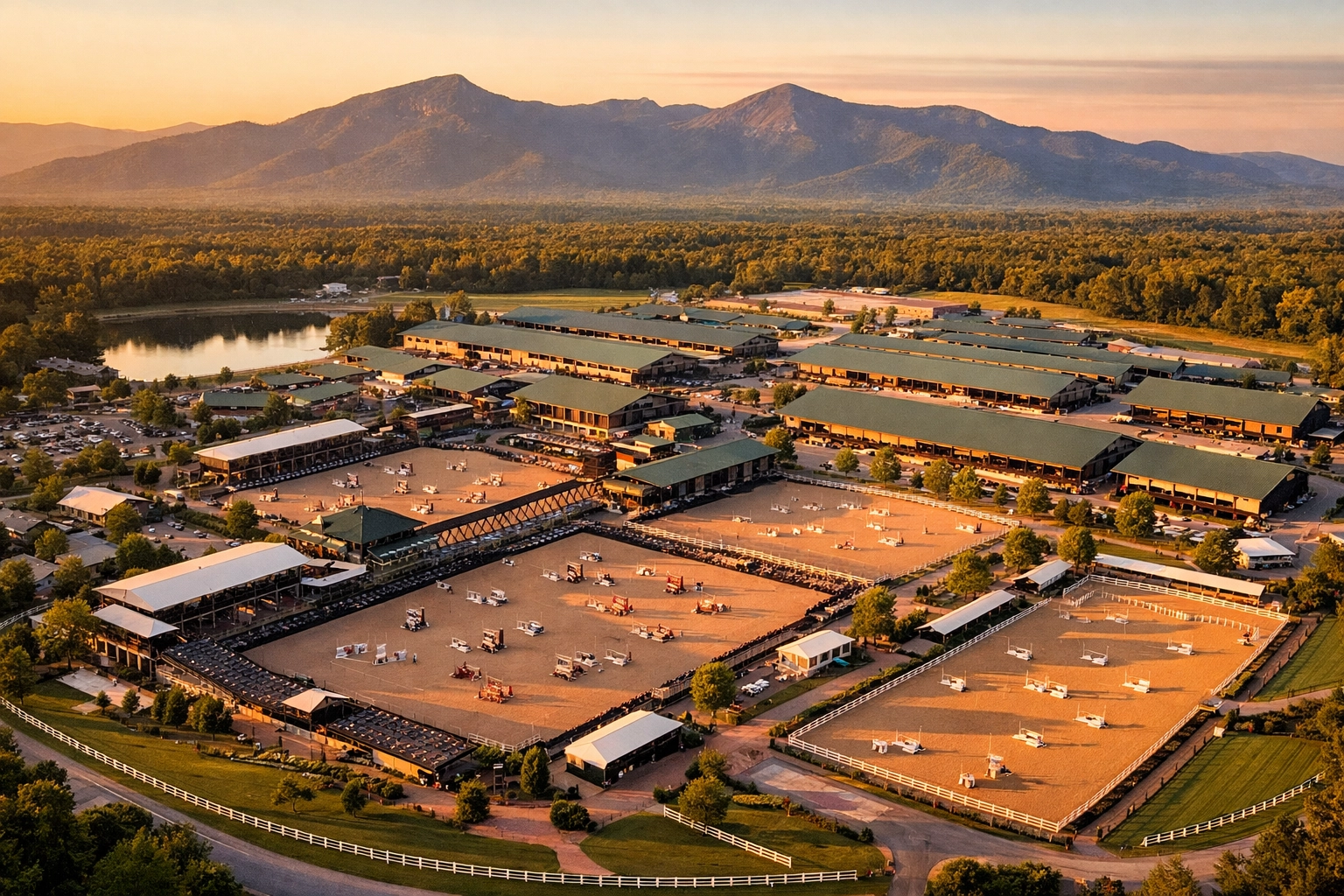
The venue offers multiple competition arenas, extensive stabling designed by people who actually understand horse management, and integrated hospitality that recognizes competitors need more than a parking lot and porta-potties. The newly opened Overmountain Lodge provides on-site accommodations that understand the 4 a.m. braiding session and the post-competition collapse with equal hospitality.
This level of infrastructure creates a ripple effect. Farriers, veterinarians, trainers, and specialized equine services gravitate toward areas with consistent, high-level activity. In 2026, Tryon offers the support network serious horse operations require without the congestion and cost of traditional equestrian centers.
The 2026 Competition Calendar: Prestige Meets Accessibility
The National Horse Show's relocation to Tryon International for October 21–25 and October 27–November 1 (pending USEF approval) represents a significant shift in American equestrian geography. This isn't just another horse show moving venues: it's one of America's oldest and most prestigious indoor competitions, with over 140 years of history, choosing Tryon as its new home.
Add the IHSA National Championship (May 1–3, 2026) for Hunt Seat and Western disciplines, and you have a competition calendar that serves everyone from junior riders building their résumés to professionals maintaining their edge. The concentration of quality competitions within driving distance eliminates the exhausting travel circuit that drains both horses and bank accounts.
For property owners and serious amateurs, this means regular exposure to top-level horsemanship without the disruption of constant cross-country hauls. Your horses stay home, maintain their routine, and you still access national-caliber competition.
Beyond the Show Grounds: The Broader Tryon Region
Here's what the glossy venue marketing doesn't tell you: Tryon's real strength lies in the surrounding countryside.
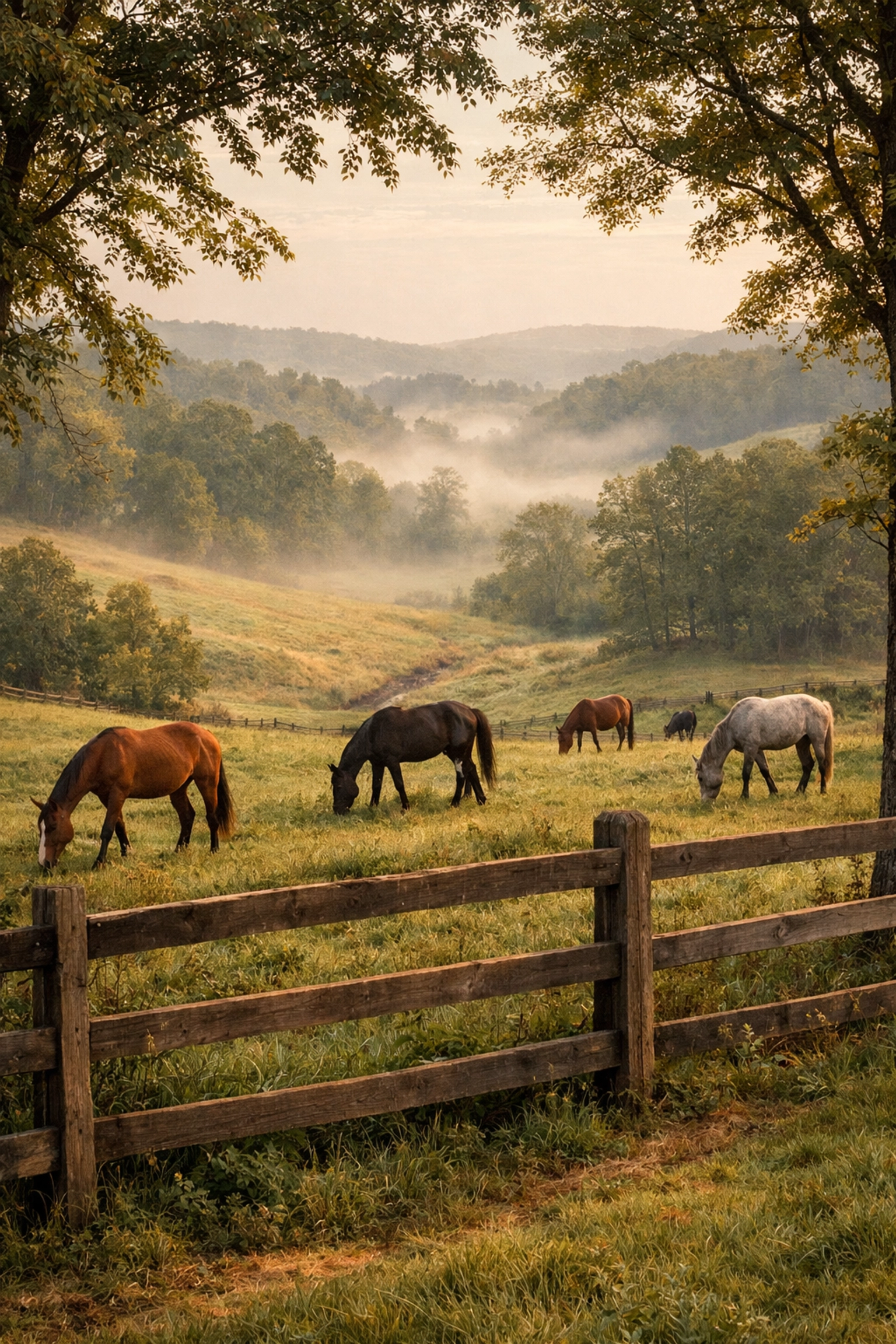
The Foothills topography creates natural variation: rolling pastures that drain well, wooded trails that offer genuine riding diversity, and microclimates that extend your grazing season. The soil composition supports healthy pasture management without the constant amendment required in sandier regions or the clay problems that plague other parts of North Carolina.
Property options range from turnkey training facilities with championship-level infrastructure to raw acreage where you can build exactly what you envision. Unlike areas where every available farm has been subdivided or developed, Tryon still offers properties with the acreage, water access, and privacy serious horse operations require.
The equestrian heritage here runs deep: not manufactured for tourism, but rooted in generations of horsemen who chose this region for its natural advantages. Historic horse farms and established training centers create a community that understands the difference between weekend riders and those whose lives genuinely revolve around horses.
Climate Considerations: The Practical Edge
North Carolina's climate gets oversimplified in marketing materials, so let's be specific: Tryon's elevation (approximately 1,000 feet) in the Foothills moderates both summer heat and winter extremes.
Summers remain warm but generally avoid the oppressive humidity of lower elevations. Horses can work comfortably with early morning or evening schedules. Winters bring occasional freezing weather and rare snow, but nothing approaching the prolonged freeze-thaw cycles that destroy footing and create management nightmares in northern states.
This translates to year-round riding, predictable training schedules, and reduced wear-and-tear on both horses and facilities. Your outdoor arenas remain usable most days. Your horses stay in consistent work without weather-forced breaks that compromise conditioning.
The Community Factor: Horse People, Not Tourists
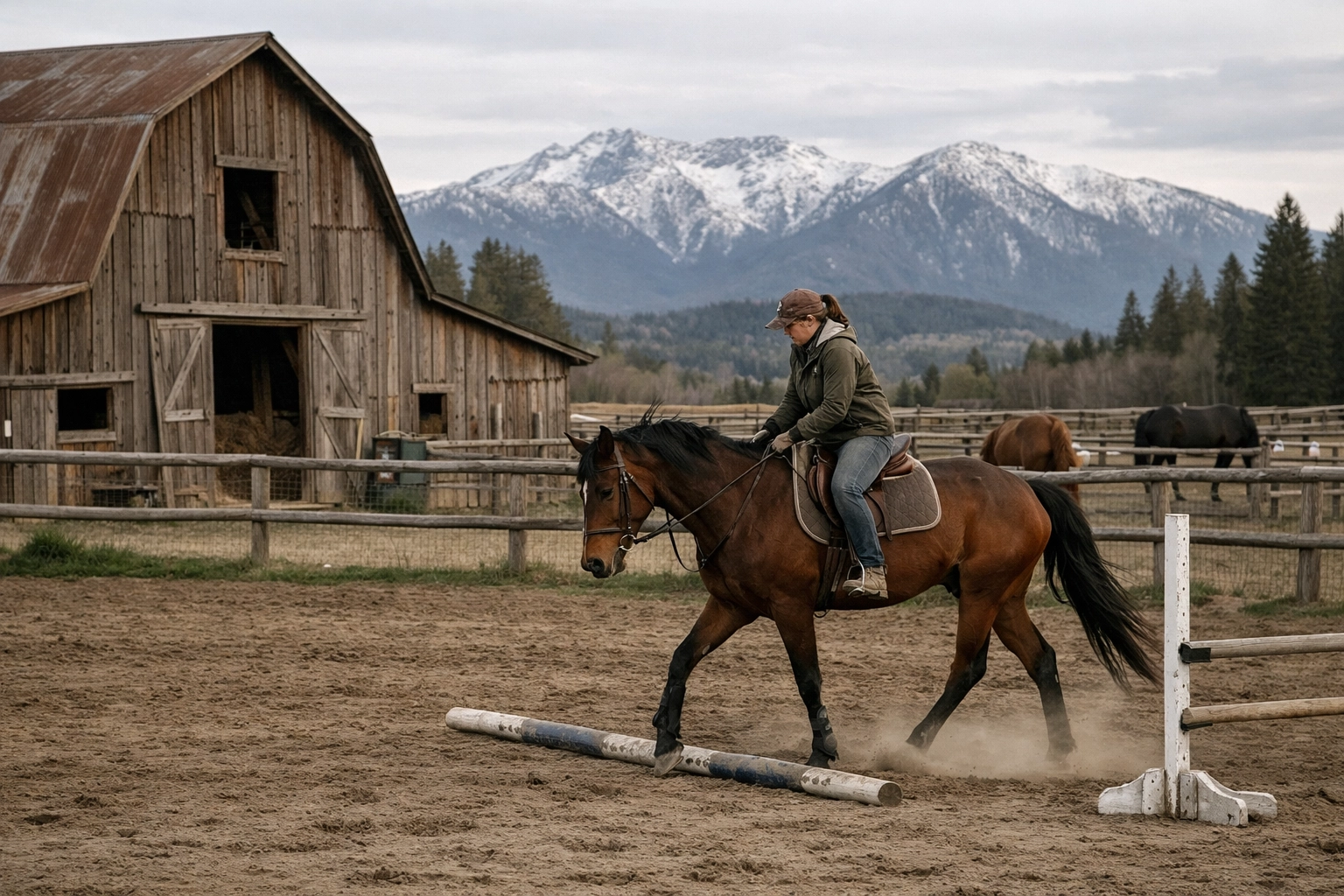
Every "equestrian destination" claims authentic community. Tryon actually has one.
The local feed store conversations revolve around footing preferences and veterinary recommendations, not property values and investment returns. Neighbors understand why you need that 5 a.m. feeding schedule and won't complain about arena lights at dawn. The infrastructure: from veterinary clinics to tack shops: exists to serve working horse operations, not weekend hobbyists.
This matters more than many buyers initially recognize. Equestrian properties function differently than residential real estate. You need neighbors who understand why your property access requires width for trailers, why certain setbacks don't work with barn orientation, and why that "unused" field is actually your winter sacrifice area.
Property Considerations for Serious Buyers
If you're considering Tryon seriously, understand what you're actually buying: access to a complete equestrian ecosystem, not just acreage.
Proximity to Tryon International matters, but so does proximity to quality veterinary care, reliable feed suppliers, and experienced farriers. The best properties balance show-ground access with the privacy and land quality your horses require daily.
Zoning varies significantly between Polk County (NC) and the adjacent South Carolina areas. Some properties offer agricultural zoning that supports commercial training operations; others restrict business activity. Understanding these distinctions before you fall in love with a property saves considerable heartache.
Water access, soil drainage, and existing infrastructure quality matter more than cosmetic appeal. That picture-perfect barn with inadequate drainage and poor pasture management will cost you more in three years than the dated facility with excellent bones and healthy land.
Why 2026 is the Right Time
Interest rates and market conditions fluctuate. Tryon's fundamental advantages remain constant.
The infrastructure investment has stabilized. The competition calendar has matured. The support network has developed depth beyond the initial build-out phase. Properties that were speculative five years ago now have established track records.
For serious equestrians evaluating relocation, Tryon in 2026 offers something rare: a proven destination still early enough in its development curve to offer genuine opportunities. The region hasn't peaked and settled into premium pricing across every property. Thoughtful buyers can still find exceptional value, particularly if you prioritize land quality and location over turnkey cosmetics.
Finding Your Place in Tryon Horse Country
Tryon's continued success stems from alignment between infrastructure, geography, and community. The facilities serve actual equestrian needs. The landscape supports healthy horse management. The community values horsemanship over performance theater.
For buyers considering the region, the question isn't whether Tryon belongs on your list: it's whether your operation and goals align with what Tryon offers. If you're seeking serious training facilities, access to quality competition, and a community that understands horses as athletes requiring daily management, not weekend entertainment, Tryon deserves your thorough evaluation.
Carolina Horse Farm Realty works extensively throughout the region and understands the specific requirements that make equestrian properties functional rather than merely attractive. Whether you're relocating a training operation or searching for your private equestrian estate, we can help you evaluate properties with the critical eye this investment requires.
The Tryon Horse Country story continues to unfold. The question is whether you'll be part of the next chapter.


