

The Charlotte equestrian market offers exceptional opportunities for horse enthusiasts, but navigating your first purchase requires specialized knowledge that goes far beyond traditional real estate considerations. We've guided over 200 equestrian families through property acquisitions in the greater Charlotte region, and these ten insights will help you make an informed decision that serves both your horses and your investment goals.
1. Understand Charlotte's Zoning Classifications for Agricultural Use
Charlotte-Mecklenburg County maintains specific zoning requirements for keeping horses on residential property. Properties zoned R-A (Rural Area) typically allow horses by right, while R-3 and R-4 zones may require conditional use permits. We regularly encounter buyers who fall in love with a property only to discover they cannot legally stable horses there. Always verify current zoning and any deed restrictions before making an offer.
2. Water Rights and Wells Matter More Than You Think
Charlotte sits at the confluence of multiple watersheds, and water access can significantly impact your property's value and functionality. Properties with private wells require annual testing, while those connected to municipal water may face restrictions during drought conditions. We've seen buyers overlook well reports during due diligence, only to discover expensive pumping or filtration issues later.
3. Soil Composition Affects Everything from Drainage to Arena Construction
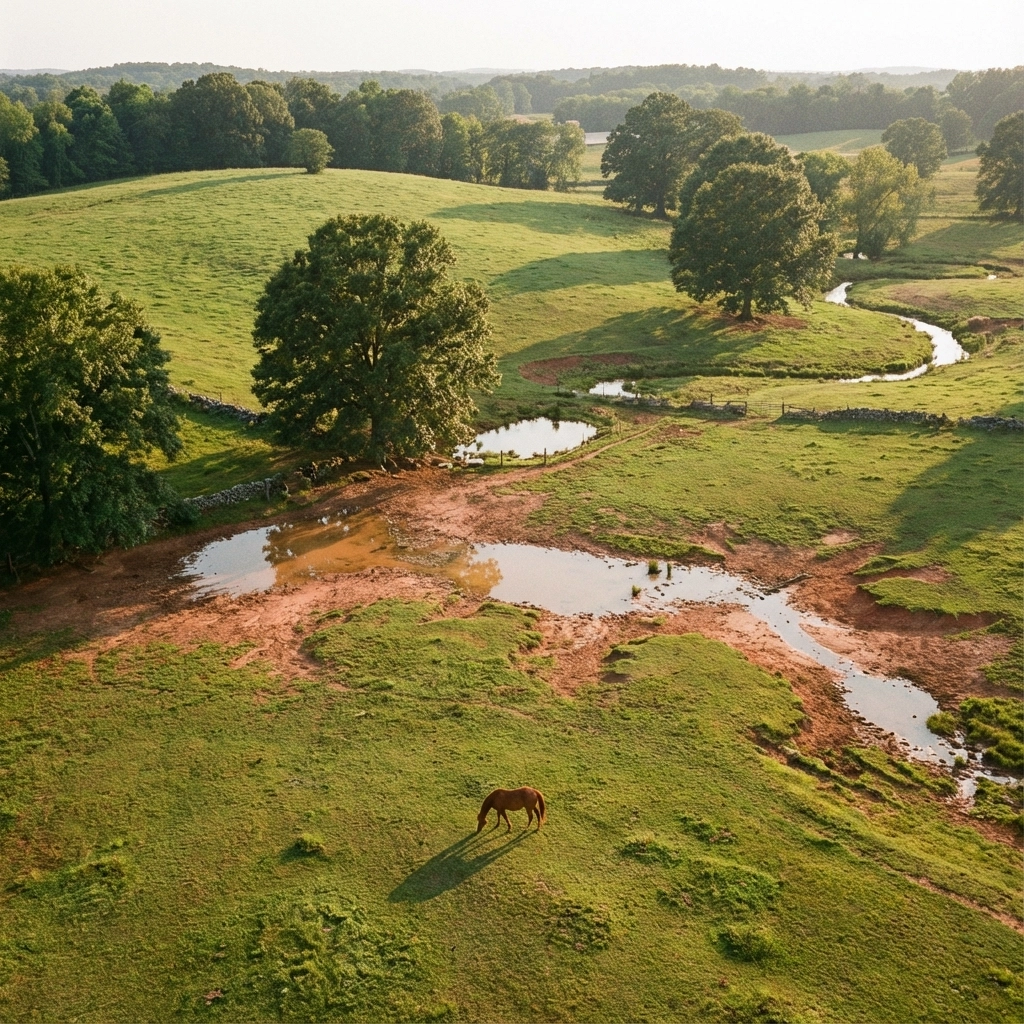
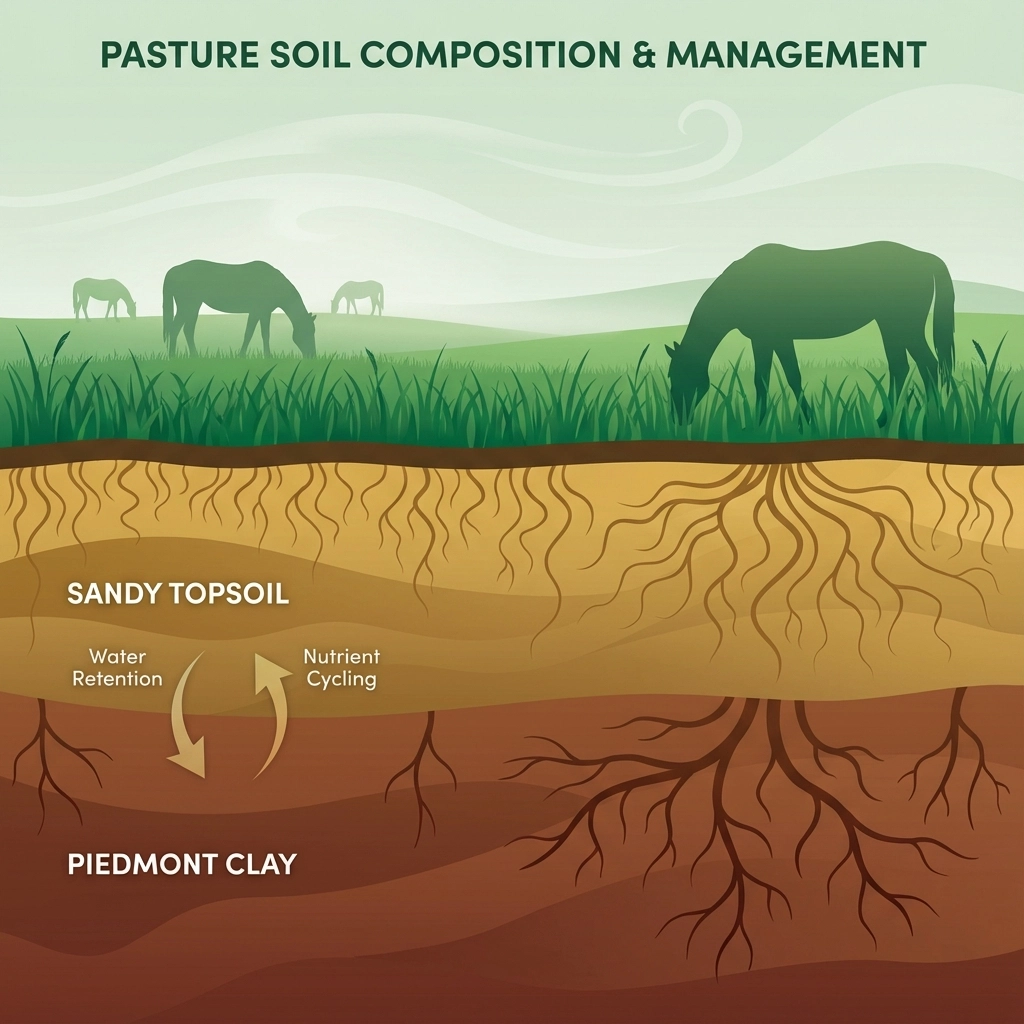
The Piedmont region's clay-heavy soil presents unique challenges for equestrian facilities. Proper drainage becomes critical not just for pasture health, but for barn placement and arena construction. Properties with mixed soil types: clay base with sandy topsoil: often provide the best foundation for both grazing and facility development. Soil percolation tests should be part of your due diligence process.
4. Acreage Requirements Vary Based on Management Style
While many assume more acreage equals better horse keeping, we've seen successful operations on five acres and struggling facilities on fifty. The key lies in management intensity and land use planning. For rotational grazing systems, plan for 1.5-2 acres per horse in Charlotte's climate. For sacrifice paddock management with hay feeding, you can support horses on smaller acreage with proper planning.
5. Proximity to Veterinary and Farrier Services Impacts Operating Costs
Charlotte's equestrian infrastructure has grown substantially, but service availability varies significantly by location. Properties within 30 minutes of major veterinary hospitals like Carolina Veterinary Specialists command premium values for good reason. We maintain updated databases of service provider coverage areas to help clients understand ongoing operational logistics.
6. Easements and Right-of-Way Access Can Affect Future Development
Many rural properties in Charlotte's outer counties include easements for utilities, roadways, or neighbor access that may not be immediately apparent. These easements can restrict barn placement, arena construction, or future subdivision potential. Our team reviews all recorded easements and helps clients understand how these might impact their equestrian plans.
7. School Districts Matter Even for Equestrian-Focused Families
Charlotte's reputation for excellent schools extends into rural areas, but district boundaries can be complex. Properties in Union County often offer superior equestrian opportunities with access to top-rated schools, while some Cabarrus County locations provide more acreage at lower cost. Understanding school assignment areas helps protect resale value even for families without school-aged children.
8. Barn and Facility Conditions Require Specialized Assessment
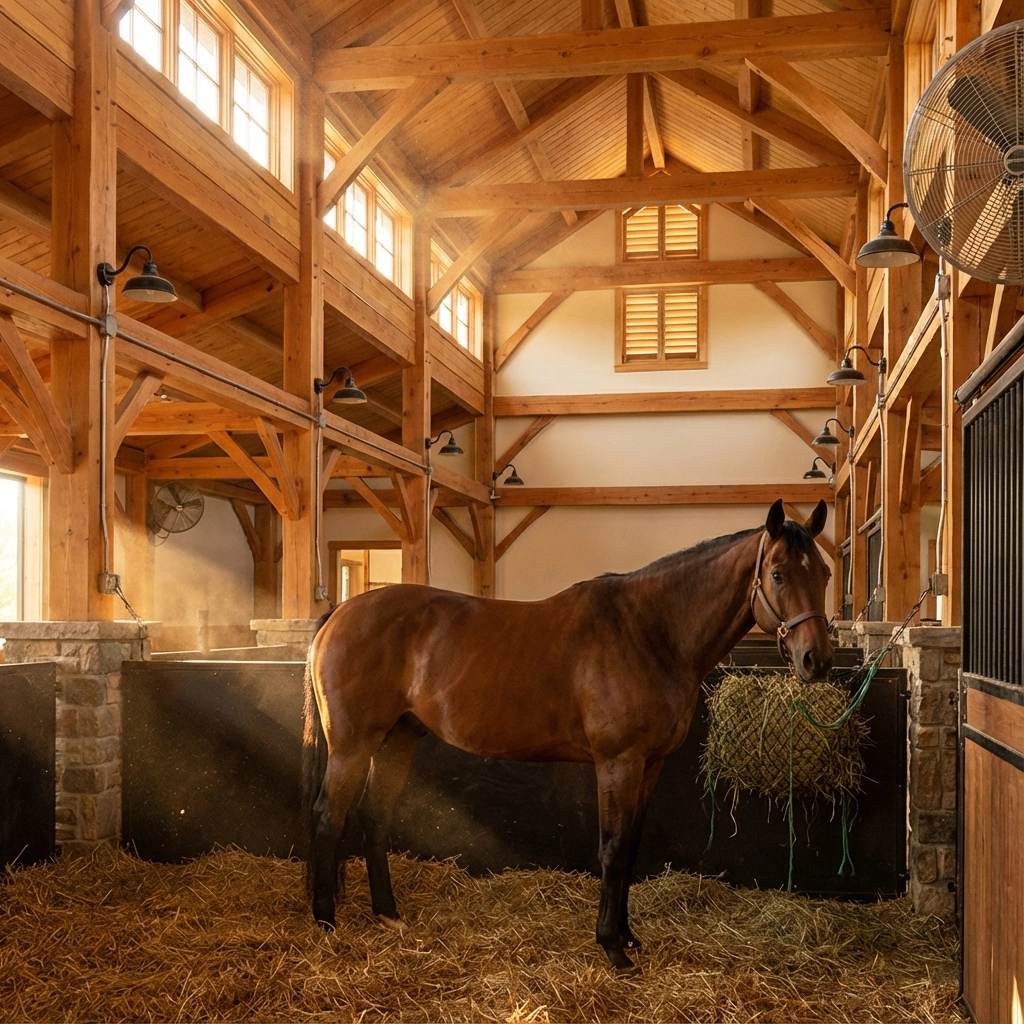
Pre-existing barns and arenas may appear functional but harbor expensive problems. We coordinate inspections with equestrian contractors who understand ventilation systems, footing materials, and structural requirements specific to horse facilities. Electrical systems in barns require particular attention, as many older facilities lack proper grounding or adequate circuit protection.
9. Homeowner Association Restrictions Can Limit Equestrian Activities
Even properties marketed as "horse-friendly" may have HOA restrictions on breeding, boarding, or commercial activities. Some associations limit the number of horses per acre or restrict certain breeds. We've encountered clients who purchased properties planning to offer riding lessons, only to discover HOA restrictions prohibited commercial activities. Always review association bylaws and restrictions before closing.
10. Property Tax Classifications Affect Long-Term Costs
North Carolina offers agricultural tax deferrals that can significantly reduce property taxes for qualifying equestrian operations. However, maintaining agricultural classification requires meeting specific income or acreage requirements. We help clients understand qualification criteria and connect them with agricultural tax specialists who ensure proper filings and compliance.
Making Your Charlotte Equestrian Dream Reality
The Charlotte market offers exceptional opportunities for equestrian enthusiasts, from boutique farms in Weddington to expansive training facilities in Monroe. Our deep understanding of both horses and real estate helps clients navigate these complexities with confidence.
We've built our reputation by putting horses first in every transaction, ensuring that each property we represent truly serves the equestrian lifestyle our clients envision. Whether you're seeking your first small farm or expanding an existing operation, our expertise in Charlotte's unique market conditions helps you make informed decisions.
Ready to explore equestrian properties that match your vision and budget? Visit Carolina Horse Farm Realty to view current listings and connect with our team. Your perfect equestrian property in Charlotte awaits, and we're here to help you find it.


