Carolina Horse Farm Realty specializes in premium equestrian estates and land for horses throughout the Charlotte Metro area.
Searching for the perfect equestrian property is more than a real estate transaction; it is a lifestyle investment that requires a deep understanding of land, livestock, and local regulations. In 2026, the Charlotte market remains one of the most sought-after regions for horse enthusiasts, blending Southern charm with world-class facilities. Whether you are looking at the rolling hills of Waxhaw or exploring prestigious communities near Summit Farms and Chapel Cove, our team understands that a "good deal" on paper must also be a functional home for your horses.
To help you navigate this niche market, we have compiled the 10 essential factors every buyer should consider before signing a contract.
1. Market Dynamics: High Value and Limited Inventory
The Charlotte equestrian market operates within the luxury and estate tier. As of mid-2026, the average list price for a dedicated horse property in the Charlotte Metro area is approximately $1.6 million. While the broader residential market has seen steady growth, the luxury equestrian segment has experienced 11% year-over-year appreciation.
Inventory remains tight, with typically only a dozen or so high-quality horse farms for sale at any given time. This limited supply means that well-priced properties in prime locations like Waxhaw or Weddington often sell near or at asking price.
2. Zoning Laws and the "Horses Per Acre" Rule
One of the most common pitfalls for first-time farm buyers is assuming that "acreage" automatically equals "equestrian use." Every county around Charlotte: from Mecklenburg to Union and Cabarrus: has specific zoning ordinances regarding livestock.
- Standard Metric: Many local zones require a minimum of 2 to 5 acres for the first horse, with additional acreage required for each subsequent animal.
- UDO Standards: The Unified Development Ordinance (UDO) can impact where you can build a barn or arena relative to property lines.
Before falling in love with a property, our team verifies the specific zoning to ensure your vision for the farm is legally permissible.
3. Understanding HOA and CCR Restrictions
Even if a property is zoned for horses, community-specific Covenants, Conditions, and Restrictions (CCRs) can override county law. This is particularly relevant in high-end developments near Summit Farms or Chapel Cove. Some Homeowners Associations (HOAs) may permit horses but restrict:
- The type of fencing (e.g., black four-board vs. vinyl).
- The size and placement of outbuildings.
- Commercial activities like boarding or giving lessons.
We recommend a thorough review of all HOA documents during your due diligence period to ensure the property meets your specific needs.
4. Soil Quality and the "Carolina Red Clay"
The iconic red clay of North Carolina is beautiful but presents unique challenges for pasture management. Heavy clay can lead to drainage issues and mud in the winter, which can affect horse health.
When viewing listings, we look for properties with established "sacrifice lots" or areas with better natural drainage. Testing the soil for pH and nutrient levels is also essential to ensure you can grow high-quality forage for your horses.

5. Existing Infrastructure vs. Building New
In today's market, properties with existing, high-quality infrastructure command a significant premium. Building a barn, installing safe fencing, and grading an arena can be a multi-year process with rising material costs.
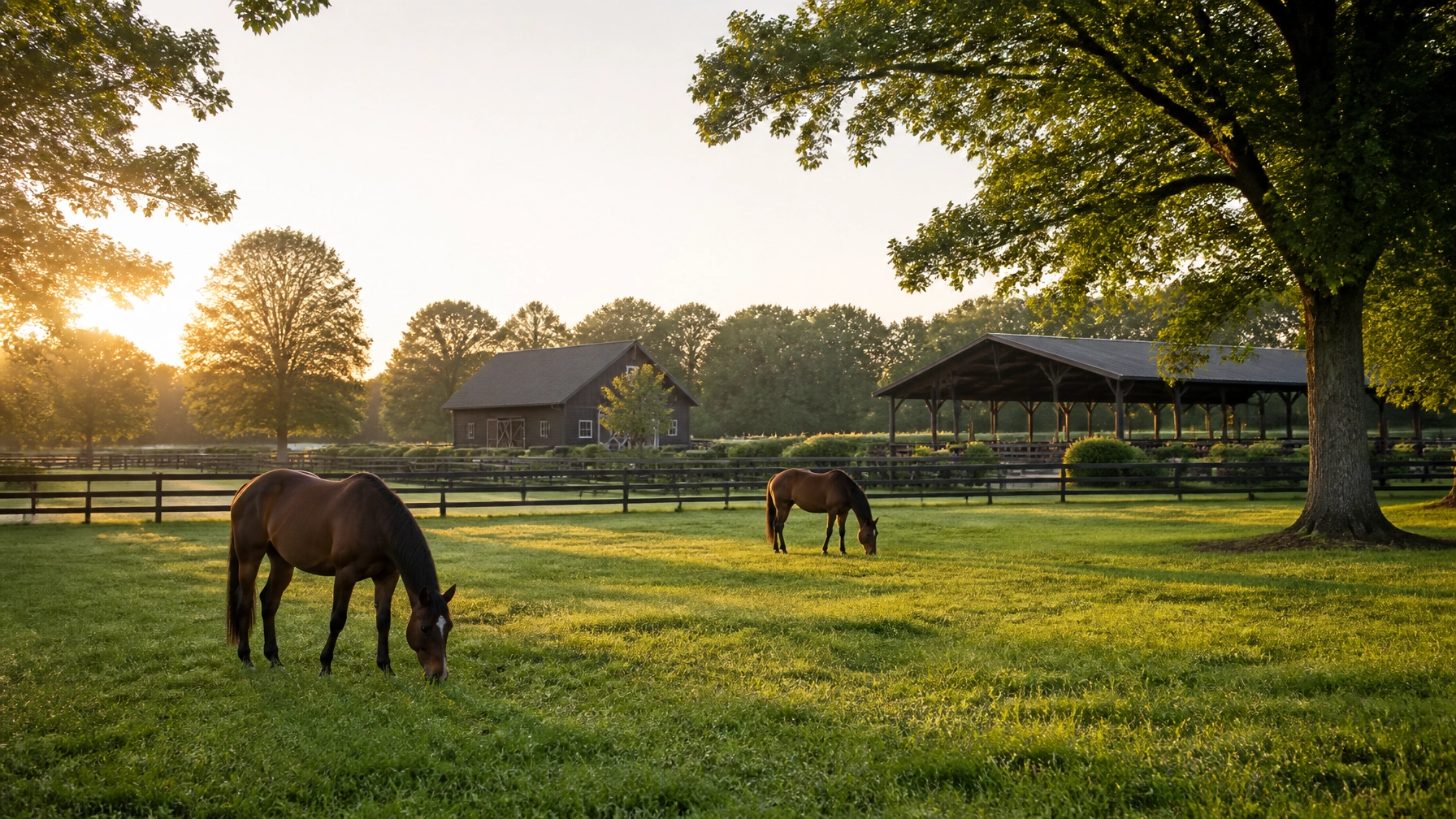
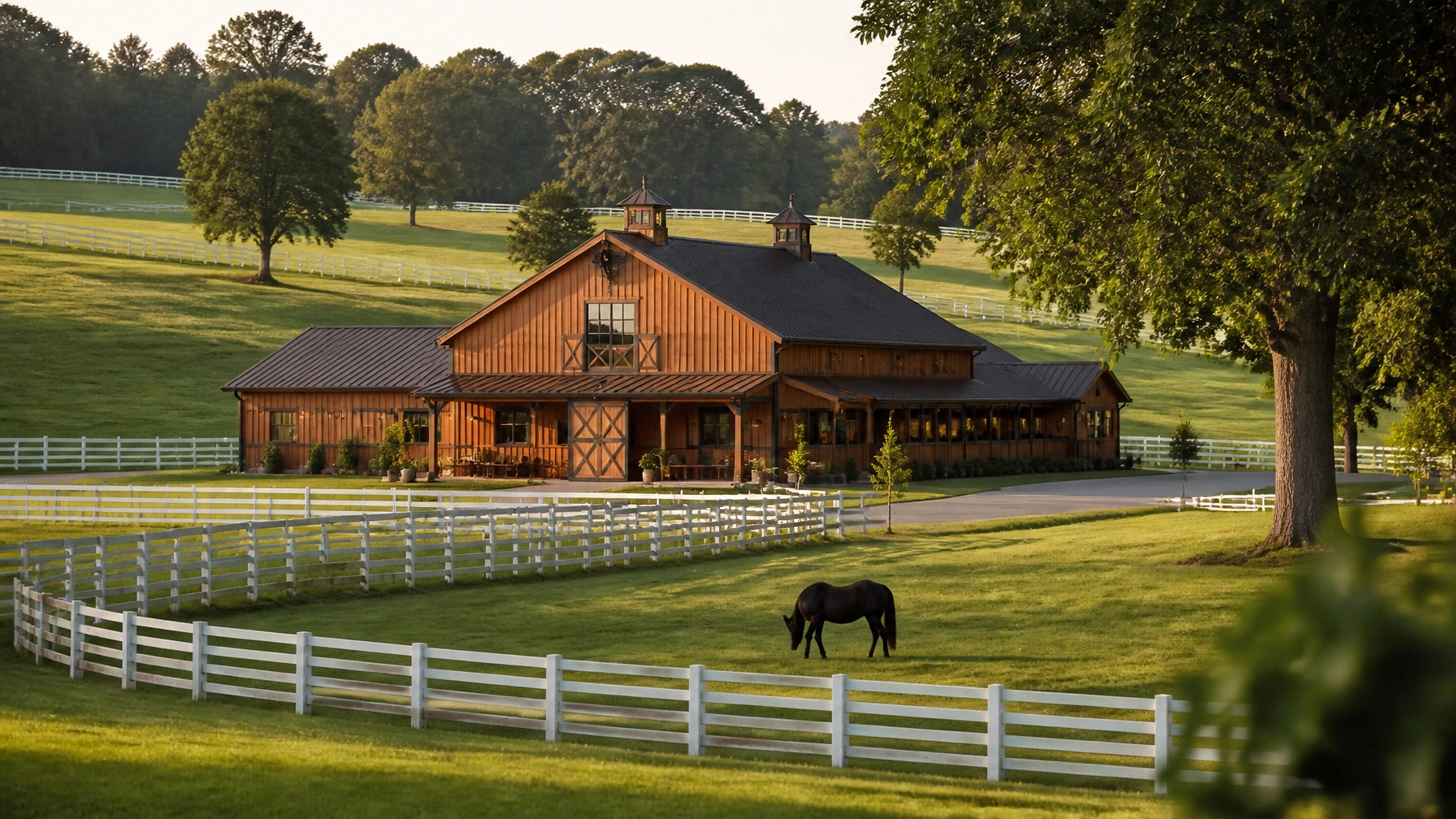
- Barn Layouts: We look for functional designs with wide aisles, wash stalls, and adequate ventilation.
- Arenas: The base of an arena is its most expensive component. We evaluate the footing and drainage to see if it meets your specific discipline’s needs (e.g., dressage vs. jumping).
Buying a property with these "bones" already in place can save you hundreds of thousands of dollars and significant stress. You can search current listings to compare properties with and without existing facilities.
6. Proximity to Equestrian Hubs and Competition
Charlotte is uniquely positioned between several major equestrian centers. Serious competitors should consider their drive time to:
- Tryon International Equestrian Center (TIEC): A world-class venue just a short drive west.
- Sedgefield Show Grounds: Located in the Greensboro area.
- Southern Pines: A historical hub for eventing and fox hunting.
Living in the Charlotte Metro area allows you to enjoy urban amenities while remaining within reach of the East Coast's premier horse shows.
7. Water Access and Pasture Management
Water is the lifeblood of any farm. We investigate whether a property relies on city water or a well. If it's a well, a recovery test is vital to ensure it can support both the household and the horses during a dry North Carolina summer.
Additionally, we evaluate the "carrying capacity" of the land. In the Charlotte region, 2 acres of well-managed pasture per horse is a general rule of thumb to prevent overgrazing.
8. Resale Value and Investment Potential
A horse farm is a significant financial asset. The most resilient properties in terms of resale value are those that offer "flexible luxury." This means a property that appeals to an equestrian but could also be marketed as a private estate for a non-horse owner.
Features like a main-level primary suite, a gourmet kitchen, and proximity to top-rated schools in areas like Weddington or Matthews ensure your investment remains liquid and appreciates over time.
9. The Importance of a Specialized Professional Network
Buying a farm isn't just about the Realtor; it’s about the team. When you work with us, you gain access to our trusted network of:
- Equine-Specialized Home Inspectors: Who know what to look for in a 10-stall barn.
- Local Vets and Farriers: To ensure you have care ready the day you move in.
- Fencing and Grading Contractors: For any necessary upgrades.
10. The "Horse-First" Search Strategy
Most Real Estate platforms are designed for suburban homes, not farms. They don't have filters for "stalls," "turnout," or "arena footing." Our team uses a horse-first perspective. We don't just show you a house with a lot of grass; we show you properties that function as working equestrian environments.
"Our team understands that for our clients, the barn is often more important than the kitchen. We prioritize the safety of the animals and the efficiency of the farm layout in every search."
: Carolina Horse Farm Realty Team

Partner With Charlotte’s Equestrian Experts
Navigating the search for equestrian properties in Charlotte, NC requires more than just a real estate license: it requires a lifetime of horse experience. Whether you are selling a premier training facility or buying your first hobby farm, Carolina Horse Farm Realty provides the expert guidance you need to make a confident decision.
Ready to find your dream farm?
View our exclusive listings or contact our team today for a personalized consultation.