Where Southern Charm Meets Equestrian Excellence
Waxhaw sits at the crossroads of what every horse owner wants: genuine rural character, workable land, and proximity to essential services. This isn't manufactured "horse country": it's the real thing, preserved by people who understand that horses need space, routine, and neighbors who get it.
If you're searching for horse farms for sale in the Charlotte Metro area, Waxhaw deserves your serious attention. The market here reflects something rare: affordability meeting quality, with properties designed by horse people for horse people.
The Current Waxhaw Equestrian Market
The numbers tell a compelling story. As of early 2026, Waxhaw offers approximately 17-45 active horse property listings, depending on your search parameters. Average listing prices sit around $539,000 to $571,000, with land costs averaging $50,000-$52,000 per acre.
These figures matter because they represent actual value: not inflated prices driven by suburban sprawl or developer speculation. You're paying for functional acreage, not proximity to shopping centers.
What's Currently Available:
- Properties ranging from 5 to 50+ acres
- Established barns with 4-12 stalls
- Functional arena facilities (both outdoor and covered)
- Pasture systems with proper drainage
- Equipment storage and hay facilities
- Homes ranging from modest farmhouses to updated estates
The inventory fluctuates seasonally, but Waxhaw maintains consistent availability: a sign of a healthy, stable market rather than boom-bust cycles.
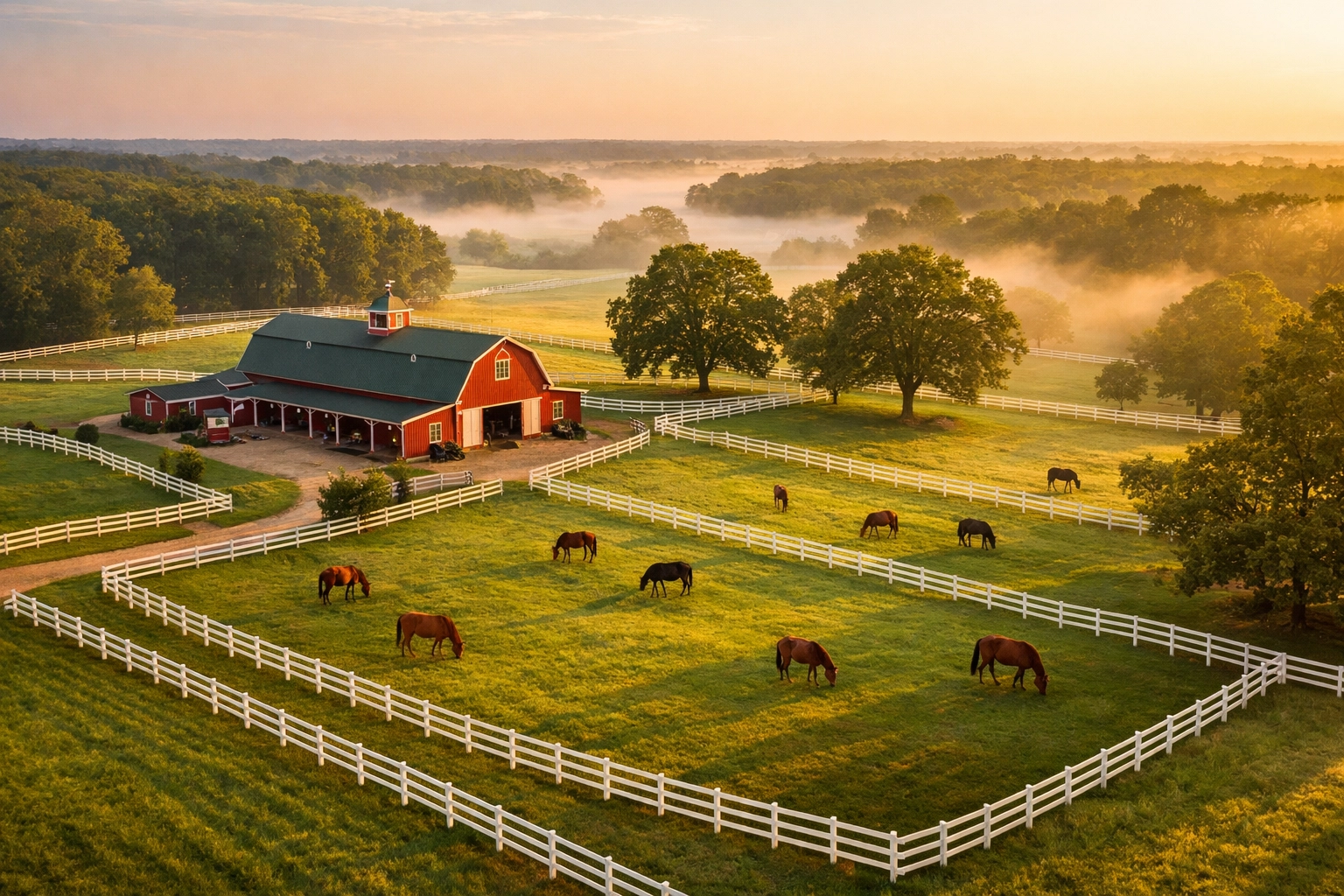
Why Waxhaw Works for Horses
Understanding local terrain isn't optional: it determines everything from pasture rotation to vet bills. Waxhaw's geography delivers several practical advantages.
Soil and Drainage
The soil composition here leans toward Carolina clay with decent organic content. This means:
- Pastures hold up well under grazing pressure
- Proper drainage systems prevent chronic mud issues
- Fertilization programs show good response
- Trees establish easily for shade and wind breaks
The rolling topography naturally channels water away from barn areas when properties are laid out correctly. Look for farms where previous owners worked with the land, not against it.
Climate Realities
North Carolina weather requires year-round management. Waxhaw's four-season climate means:
- Mild winters that rarely disrupt turnout schedules
- Hot, humid summers demanding shade and water access
- Spring mud season lasting 4-6 weeks
- Fall conditions ideal for arena work and trail riding
Your property should include run-in sheds in every pasture, adequate tree coverage, and reliable water systems that won't freeze during occasional cold snaps.
Essential Property Features to Prioritize
Not all "horse farms" function equally. After years evaluating equestrian properties across the Charlotte Metro, certain features separate functional farms from expensive headaches.
Barn Infrastructure
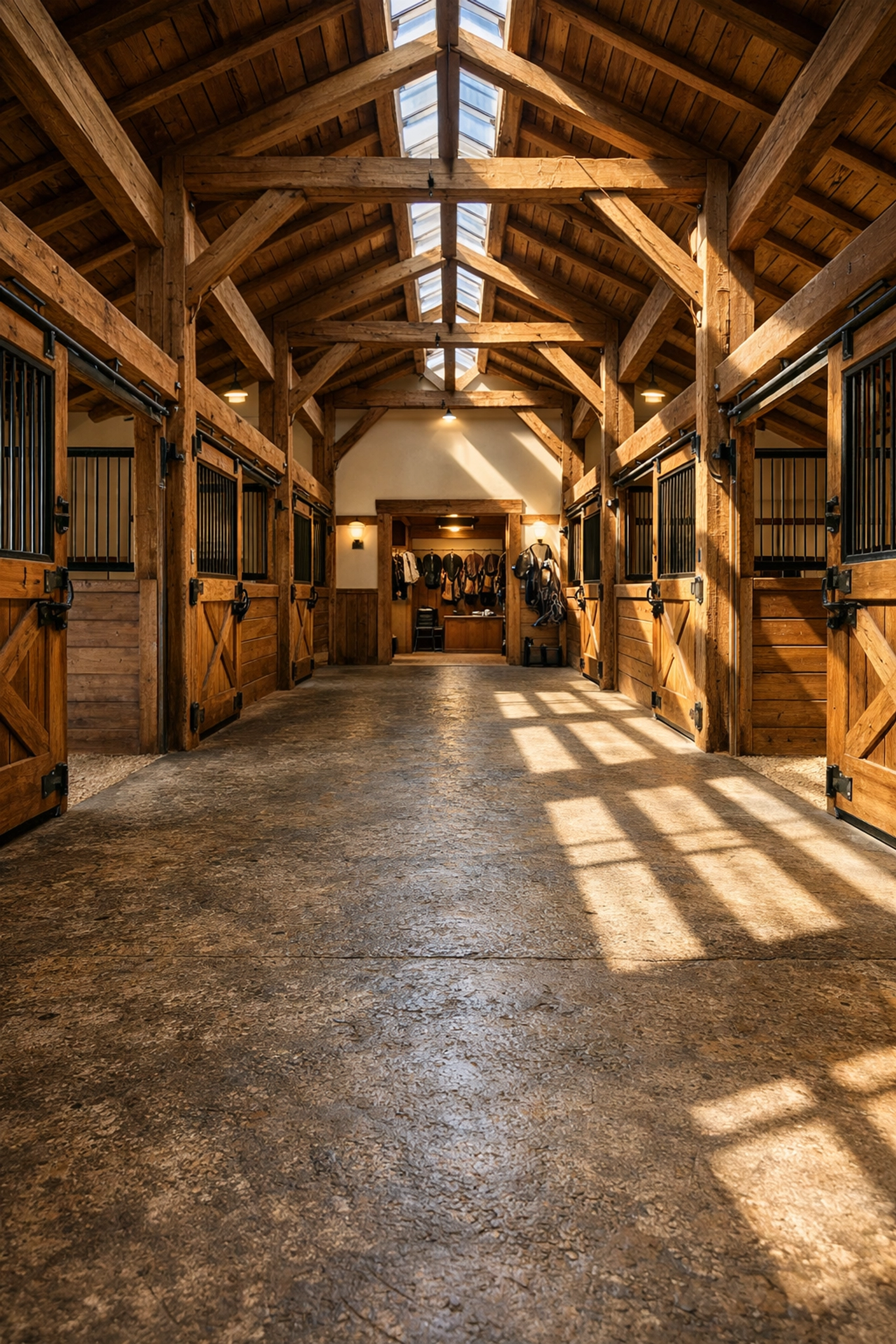
Your barn determines daily efficiency more than square footage or aesthetics. Evaluate:
- Stall size and layout: 12×12 minimum, with center aisle width allowing equipment passage
- Ventilation design: Ridge vents, Dutch doors, and cross-breeze capability
- Footing: Concrete aisles with proper slope for cleaning
- Utilities: Water hydrants in multiple locations, adequate electrical service
- Storage: Separate areas for feed, bedding, and tack
A well-designed 6-stall barn outperforms a poorly planned 12-stall facility every time.
Pasture Systems
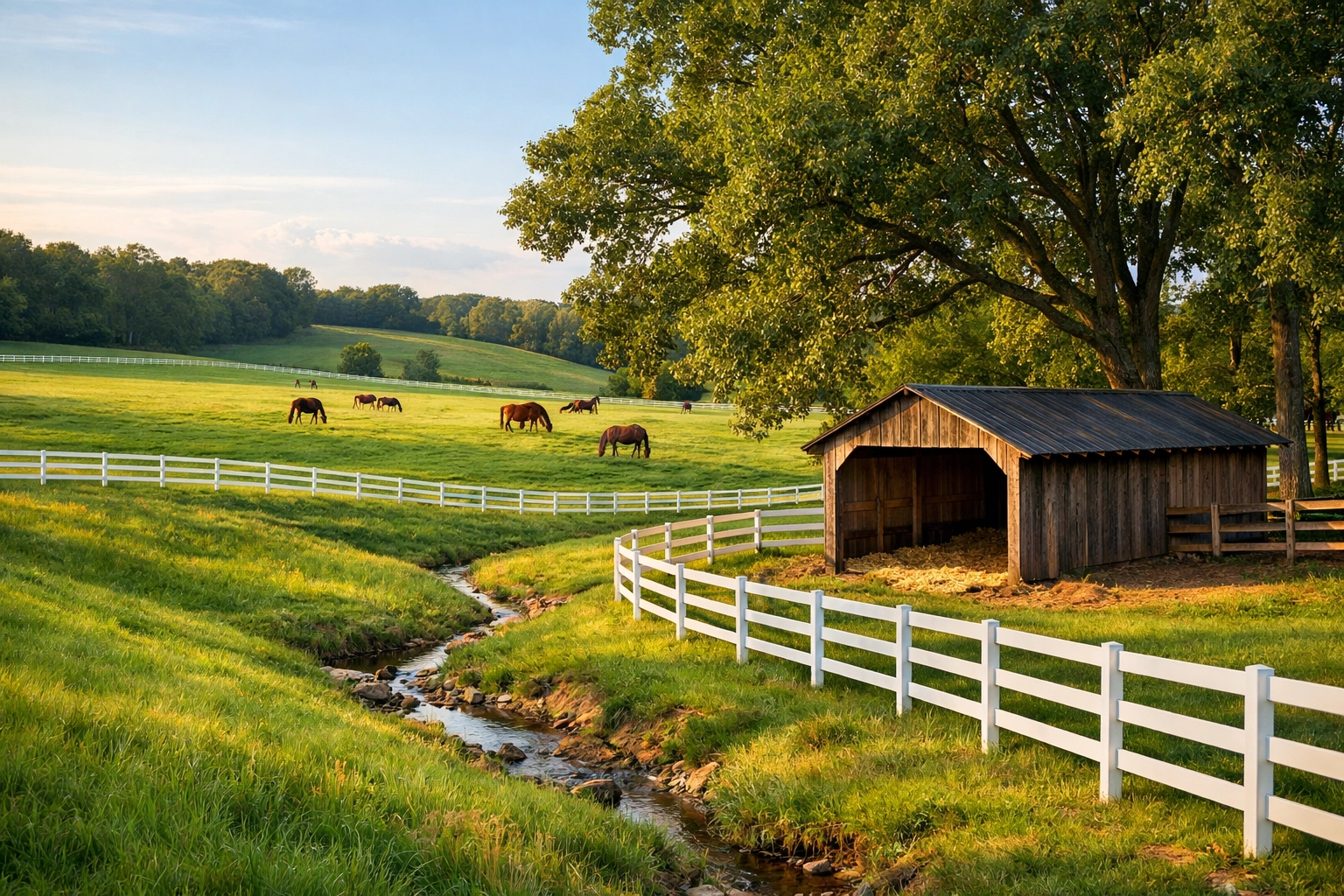
The quality of your grazing land directly impacts feed costs and horse health. Assess:
- Acreage per horse: 2-3 acres minimum for sustainable rotation
- Fence condition: Board, post-and-rail, or high-tensile wire properly installed
- Water access: Automatic waterers or frost-free hydrants
- Shelter: Run-in sheds positioned for wind protection
- Grass quality: Established stands of fescue, orchardgrass, or bermuda
Pastures showing bare patches, erosion channels, or standing water indicate previous management issues or poor design.
Arena and Training Facilities
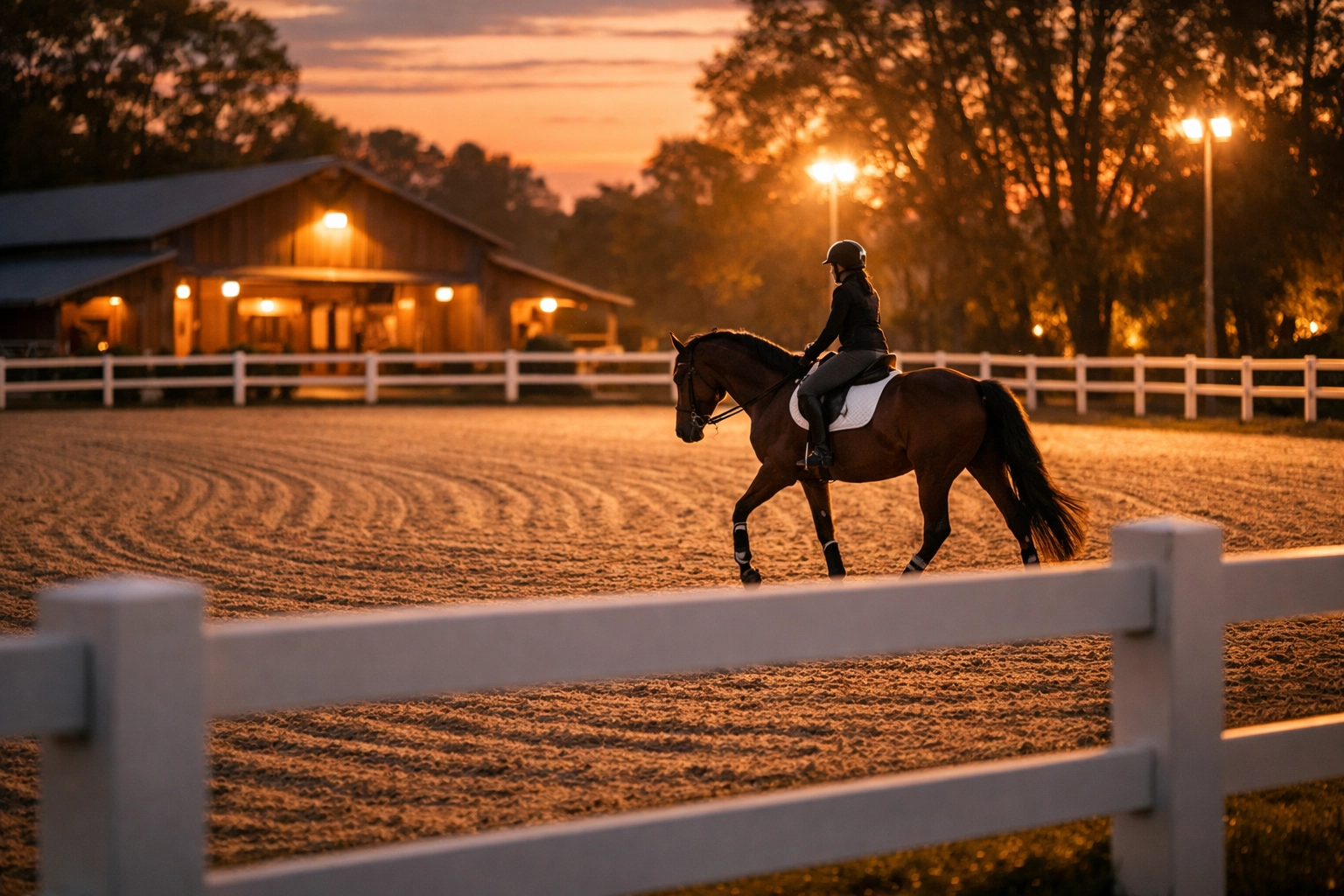
Whether you're maintaining fitness or running a business, arena quality matters. Waxhaw properties often feature:
- 100' x 200' outdoor arenas with proper footing (sand, rubber, or mixed)
- Covered arenas for year-round work
- Round pens for groundwork and training
- Adequate lighting for evening rides
The footing base: often overlooked: determines longevity and safety. Proper drainage underneath prevents the constant maintenance cycle that ruins most arenas within five years.
Zoning and Land Use Considerations
Union County's zoning regulations affecting equestrian properties remain relatively horse-friendly compared to more urbanized areas. Current regulations typically allow:
- Agricultural exemptions for working farms
- Boarding operations under agricultural use
- Training facilities with proper permitting
- Limited commercial activities tied to equestrian use
Key Questions Before You Buy:
- Does the property qualify for agricultural tax status?
- Are there deed restrictions limiting horse numbers or facilities?
- What's the minimum lot size for subdivision if you're considering future flexibility?
- Are there upcoming zoning changes in surrounding parcels?
Properties within planned developments may have HOA restrictions on barn aesthetics, trailer parking, or manure management. Read every covenant before making an offer.
The Waxhaw Equestrian Community
Beyond property lines, Waxhaw offers genuine community infrastructure for horse owners. This matters more than most buyers initially recognize.
Local Resources:
- Multiple veterinary practices specializing in equine care within 20-minute response time
- Farriers with established client routes through the area
- Feed stores stocking quality hay and supplements year-round
- Trailer repair and towing services familiar with local farms
Trail Access:
Waxhaw connects to the Mineral Springs Greenway and sits near Cane Creek Park's 1,100-acre trail system. Off-property riding options extend your horses' experience and your own sanity during summer stall rest periods.
Competition and Training:
The area supports multiple disciplines without requiring constant trailering. Within 30-45 minutes you'll find:
- Hunter/jumper training facilities
- Dressage barns with experienced instruction
- Eventing courses for schooling
- Western performance and trail training options
Practical Considerations for Out-of-Area Buyers
If you're relocating to the Charlotte Metro for equestrian opportunities, Waxhaw's location delivers strategic advantages.
Distance and Access:
- 30 minutes to Charlotte Douglas International Airport
- 25 minutes to downtown Charlotte
- 15 minutes to quality veterinary hospitals
- 5 minutes to historic Waxhaw village
The rural setting doesn't mean isolation. Highway access via NC-16 and proximity to I-485 keeps Charlotte amenities accessible while maintaining the quiet most horses (and their owners) need.
Employment Flexibility:
Many Waxhaw horse farm owners work remotely or commute to Charlotte for professional careers. The area attracts both dedicated equestrian professionals and serious amateurs who need property that functions independently during workday hours.
Investment Perspective
Real estate decisions require both emotional and financial clarity. Waxhaw's horse farm market demonstrates several positive indicators:
- Stable appreciation tied to land value, not speculation
- Consistent rental demand for quality equestrian facilities
- Lower property taxes compared to Mecklenburg County
- Agricultural exemptions reducing annual carrying costs
Properties here sell based on functionality and location, not trendy amenities that don't age well. This creates a more predictable value trajectory for long-term owners.
Making Your Decision
Finding the right horse farm requires patience and clear priorities. Before scheduling property tours, determine:
- Your daily horse management approach: Full turnout, stall board, or mixed?
- Income requirements: Personal use only, or partial boarding to offset costs?
- Future flexibility: Room to expand facilities or subdivide if plans change?
- Commute tolerance: How often will you travel to Charlotte?
The best properties move quickly in Waxhaw's market. Working with a real estate team that understands equestrian operations: not just "land with a barn": makes the difference between finding exactly what you need and settling for almost right.
Your Next Steps
Waxhaw's combination of functional properties, established community, and accessible location creates opportunities for serious horse owners building their ideal operation. The market rewards buyers who understand what horses actually need and how farms function long-term.
Ready to explore what's currently available? View our current listings of horse farms for sale in Waxhaw and the greater Charlotte Metro area, or connect with our team to discuss your specific requirements. We evaluate every property from a horse person's perspective( because that's exactly what you deserve.)