Why Waxhaw Continues to Attract Serious Equestrians
Waxhaw isn't trying to be something it's not. There's no pretense here: just good land, thoughtful horse people, and a community that understands what matters when you're building a life around horses. Located twenty-five minutes southeast of Charlotte, this Union County town has quietly become one of the most desirable equestrian destinations in the Carolina Piedmont.
The market reflects that demand. With 40+ horse properties currently available and median listing prices around $570,000, Waxhaw offers options for both established operations and first-time farm buyers. The average cost per acre hovers between $50,000 and $52,000: premium pricing that reflects genuine value, not speculation.
Understanding the Current Waxhaw Equestrian Market
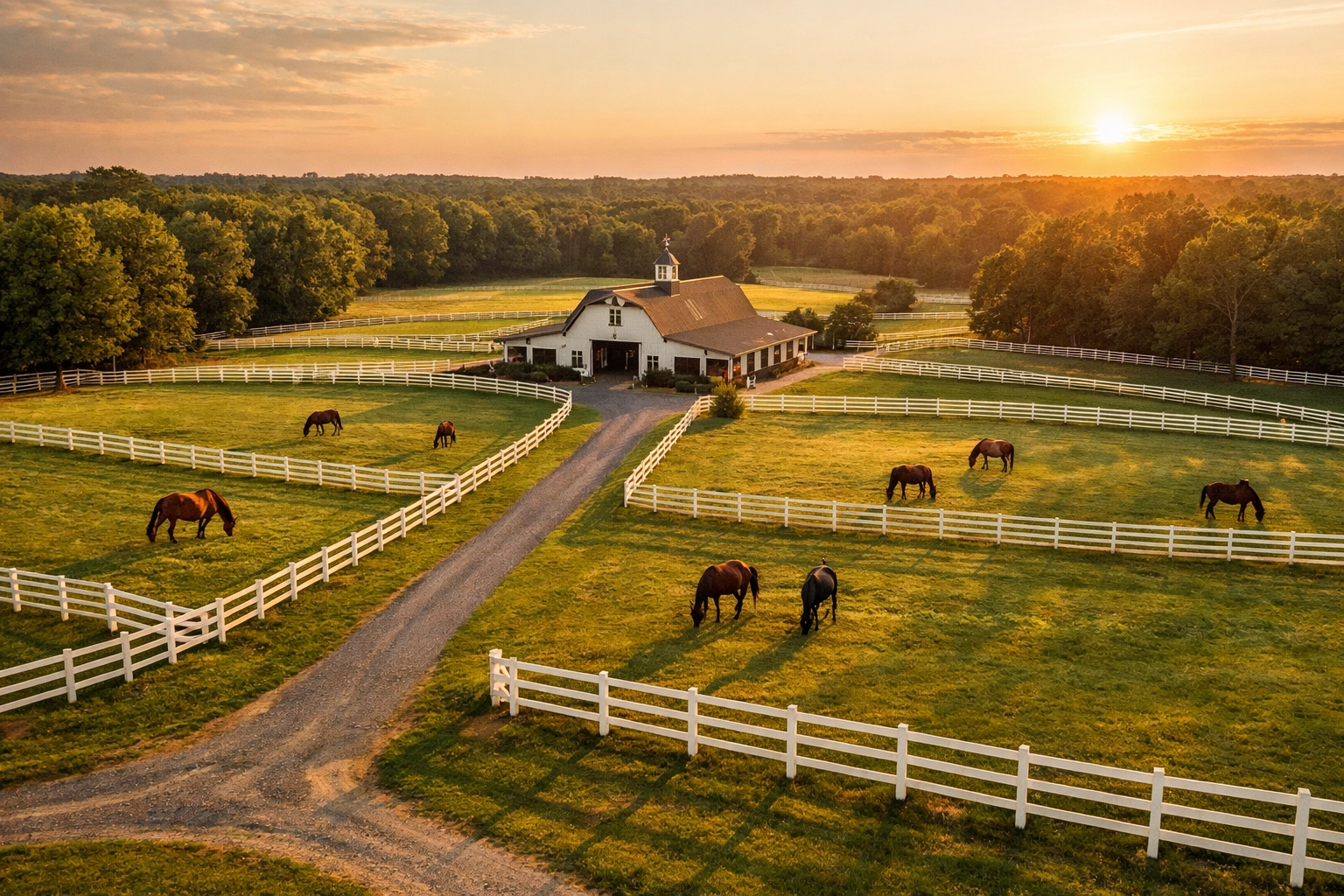
The numbers tell part of the story. Across major listing platforms, Waxhaw consistently shows 15-20 active equestrian properties at any given time, with price points ranging from starter farms under $400,000 to established training facilities exceeding $1.5 million. This isn't a market driven by weekend hobbyists: these are working farms, breeding operations, and serious training facilities.
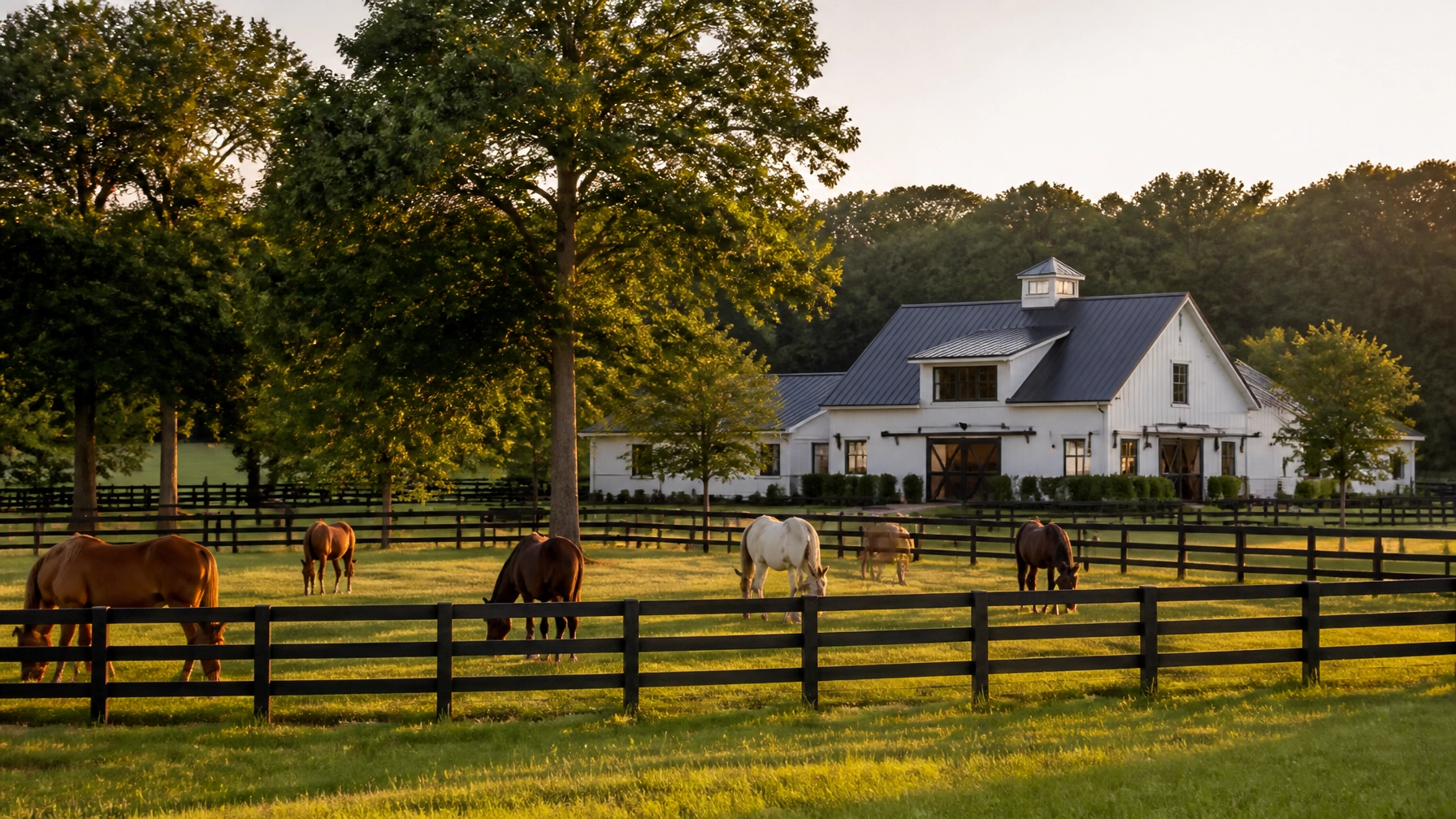
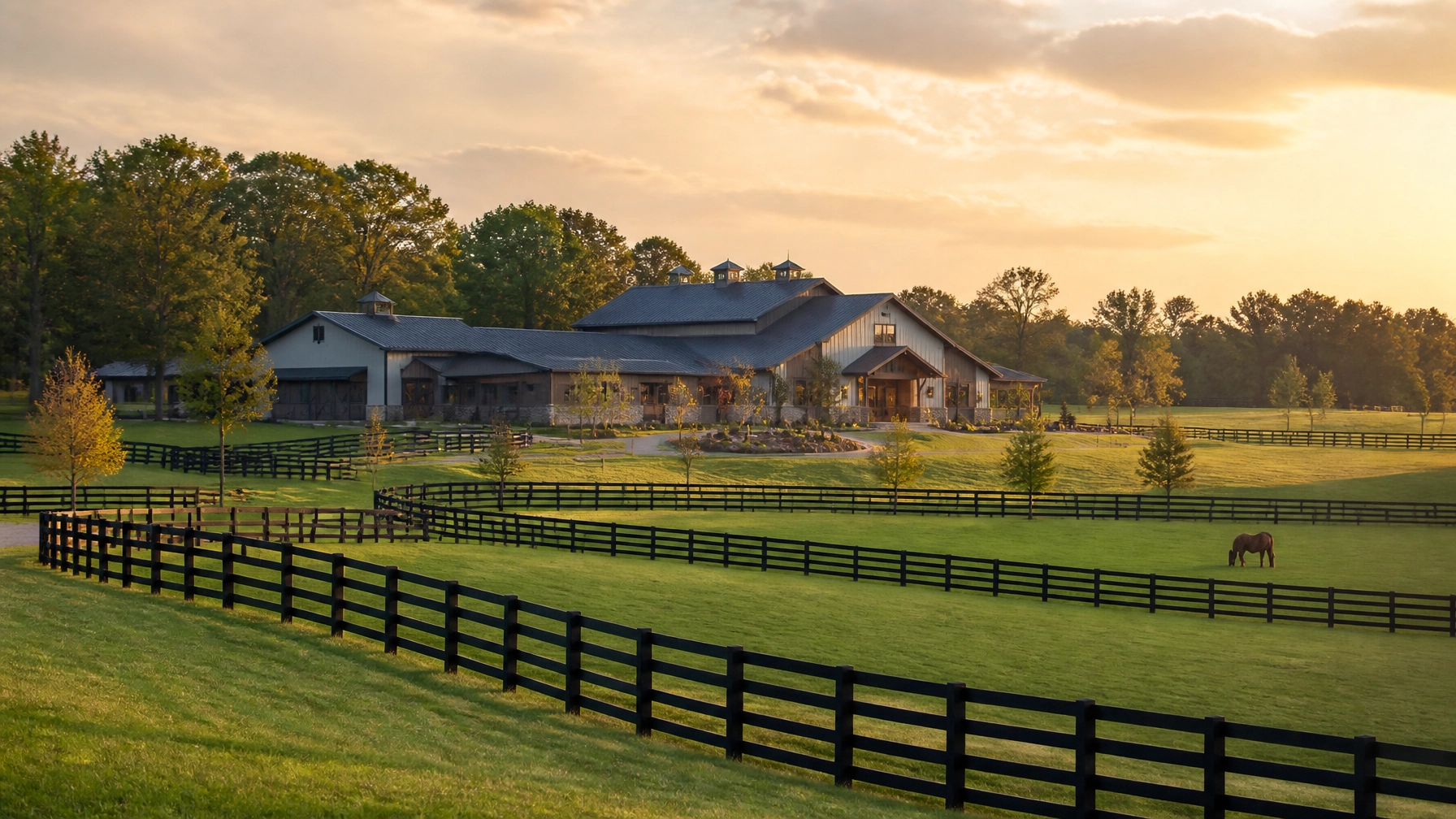
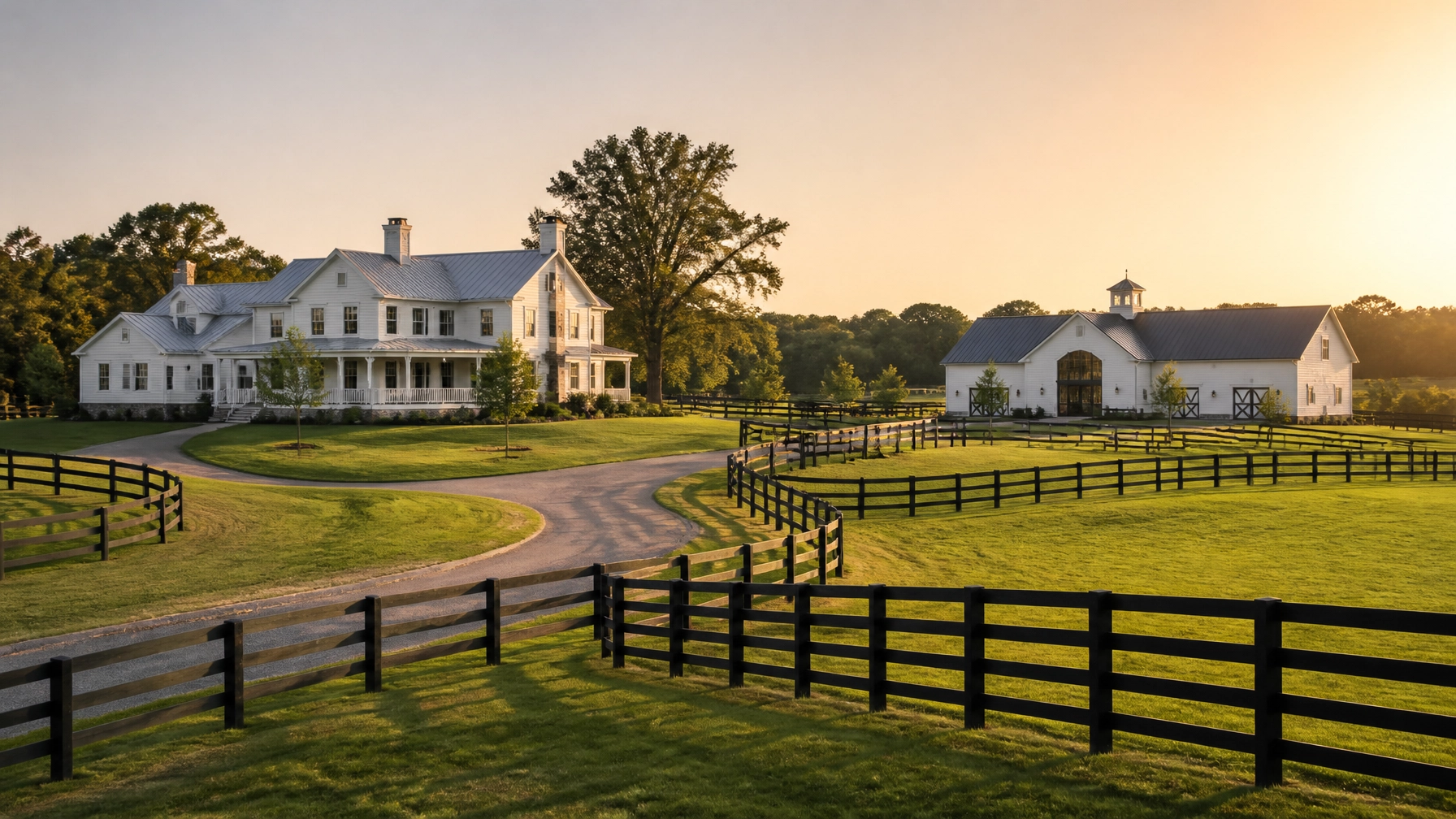
What sets Waxhaw apart is acreage integrity. Most equestrian listings include 10+ acres with functional improvements: center-aisle barns with proper ventilation, established pasture rotation systems, and arena footings that actually drain. You'll find properties with four to twelve stalls, equipment storage that makes sense for the property size, and fencing that reflects an understanding of horse behavior and safety.
The area supports diverse disciplines. Dressage riders appreciate the flat terrain and proximity to recognized trainers. Hunter-jumper operations value the established show circuit access and quality footing. Western pleasure and trail riders benefit from direct access to Cane Creek Park's 1,100 acres of riding trails and the nearby Mineral Springs Greenway system.
What Makes Waxhaw Land Work for Horses
Soil composition matters more than most buyers initially realize. Waxhaw sits on well-drained Piedmont clay loam that supports healthy pasture growth with proper management. The topography offers gentle rolls: enough for natural drainage without creating unsafe riding terrain. Most properties include a mix of cleared pasture and wooded buffer areas that provide natural windbreaks and summer shade.
Water access is reliable. Properties typically feature wells capable of supporting both household and barn use, with many including separate meters for agricultural irrigation. The climate allows for nearly year-round turnout with appropriate shelter, reducing the infrastructure demands compared to northern operations.
Essential Features That Define Quality Waxhaw Horse Properties
Barn Design and Functionality
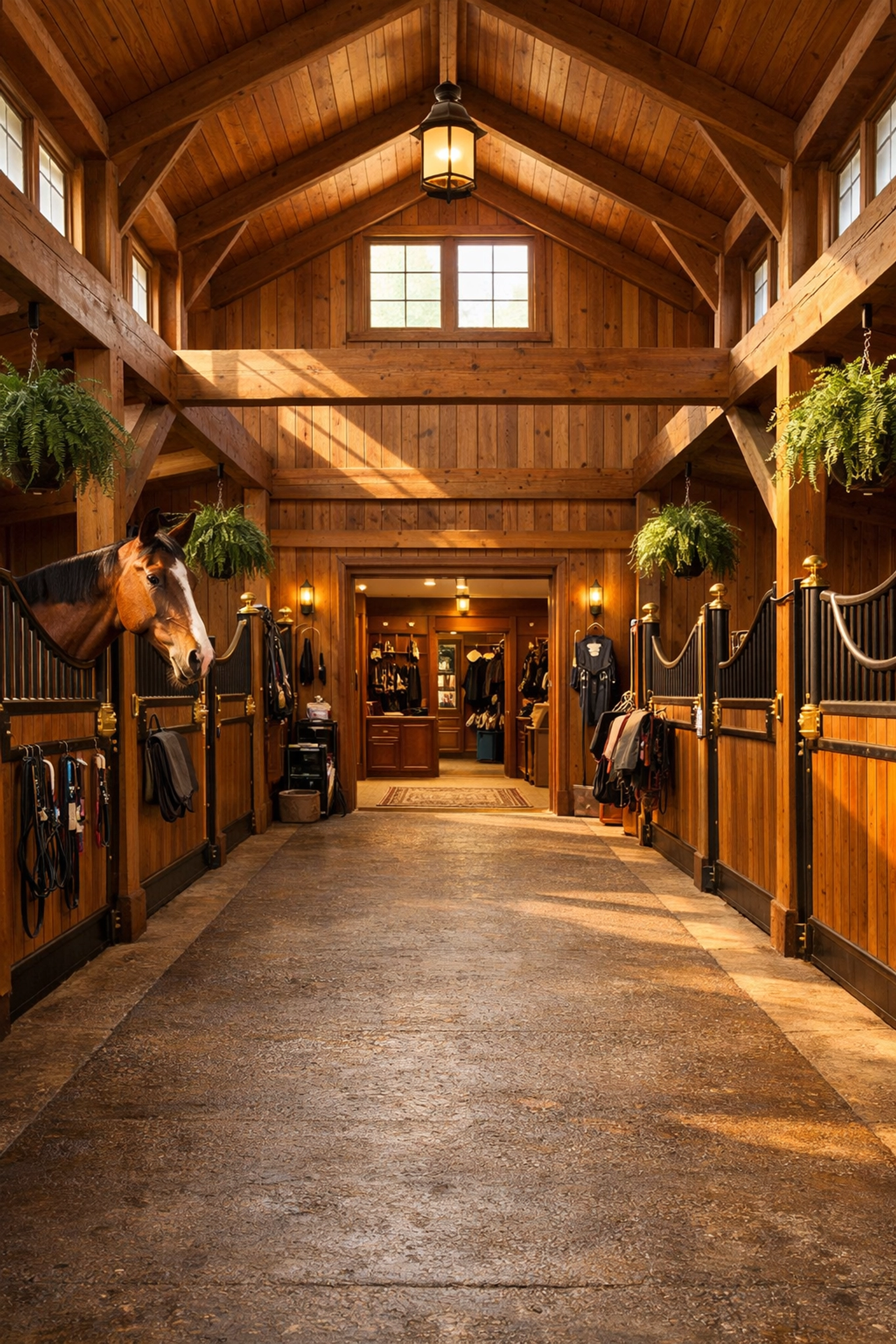
Look beyond stall count. The best properties incorporate proper ventilation systems, concrete center aisles that drain away from stall fronts, and ceiling heights that accommodate hay storage without compromising air quality. Tack rooms should include climate control: this isn't optional in Carolina summers. Wash stalls with hot water hookups and proper drainage prevent the makeshift arrangements that plague poorly planned facilities.
Arena and Riding Surfaces
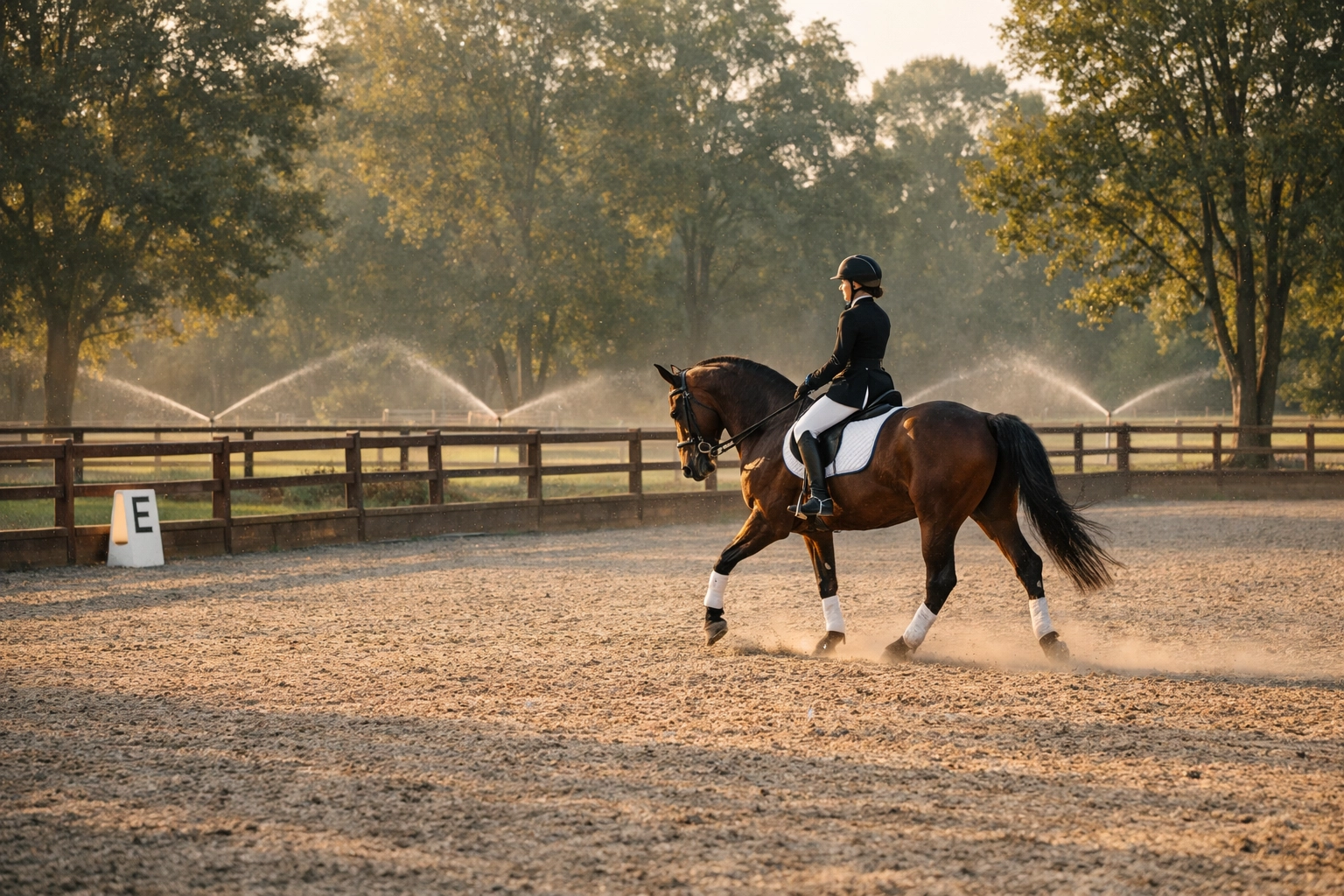
A 50' x 125' arena with maintained footing and adequate lighting represents the baseline for serious training operations. Proper base construction with engineered drainage prevents the mud pit scenario that shuts down winter riding. Sprinkler systems aren't luxury additions: they're essential for dust control and footing maintenance during our increasingly dry summer months.
Pasture Infrastructure
Four to six paddocks allow for proper rotation and parasite management. Fencing should combine functionality with appropriate aesthetics: board fence for visibility, vinyl-coated wire for durability, and electric options for training-specific needs. Run-in sheds placed in each major paddock provide weather protection without requiring constant stall management.
Zoning Considerations and Agricultural Use in Union County
Union County regulations generally support equestrian operations, but understanding the specifics prevents costly surprises. Properties designated for agricultural use often qualify for preferential tax treatment, but maintaining that status requires documented farming activity. This doesn't mean commercial boarding: proper pasture management and maintaining horses in appropriate training qualifies.
Barn placement matters. Setback requirements from property lines typically range from 50 to 100 feet, depending on structure size and use. If you're planning future expansion or additional outbuildings, verify these requirements before purchase. Some properties include existing permits for arenas, round pens, or specialized facilities: transfer procedures should be confirmed during due diligence.
Commercial boarding operations or training facilities visible from public roads may trigger additional zoning review. This doesn't prohibit the activity, but it requires proper documentation and occasionally a conditional use permit. Working with someone familiar with Union County's specific requirements saves time and frustration.
The Waxhaw Equestrian Community and Lifestyle
Proximity to Charlotte provides genuine advantages without urban compromise. Veterinary specialists, farriers with competitive-level experience, and feed suppliers who understand performance nutrition are accessible within twenty minutes. Emergency veterinary care is available through multiple 24-hour facilities.
The local equestrian community operates with quiet competence. Training professionals run respected programs without the drama that sometimes plagues more competitive regions. Clinicians regularly schedule stops in Waxhaw, and the trailer ride to major show venues: from Southern Pines to Tryon: falls within reasonable distance for weekend competition.
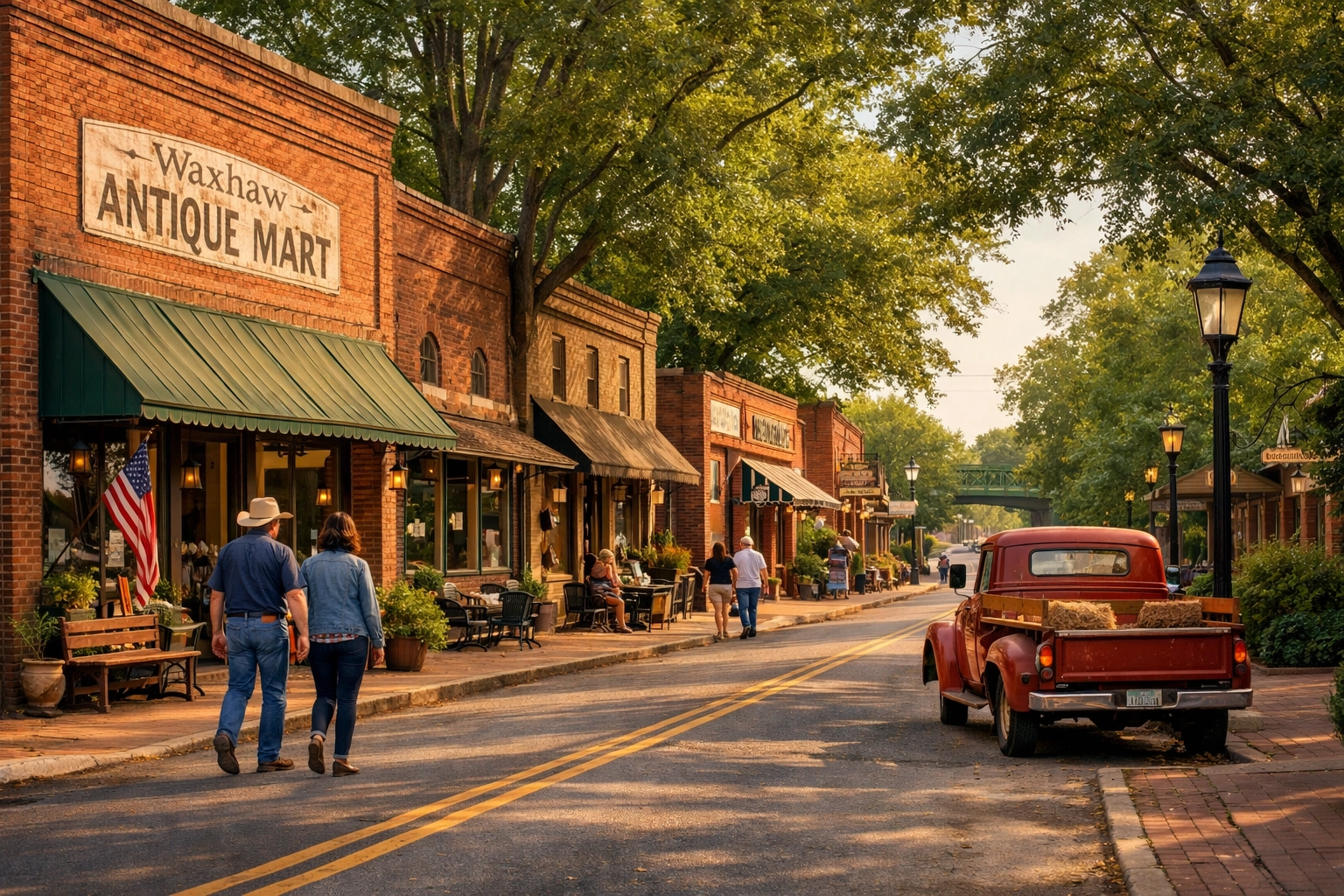
Historic downtown Waxhaw offers practical amenities alongside its preserved character. Quality restaurants, essential services, and genuine community events create the lifestyle balance that makes rural living sustainable long-term. This matters when you're building a life, not just buying a property.
What to Prioritize During Your Property Search
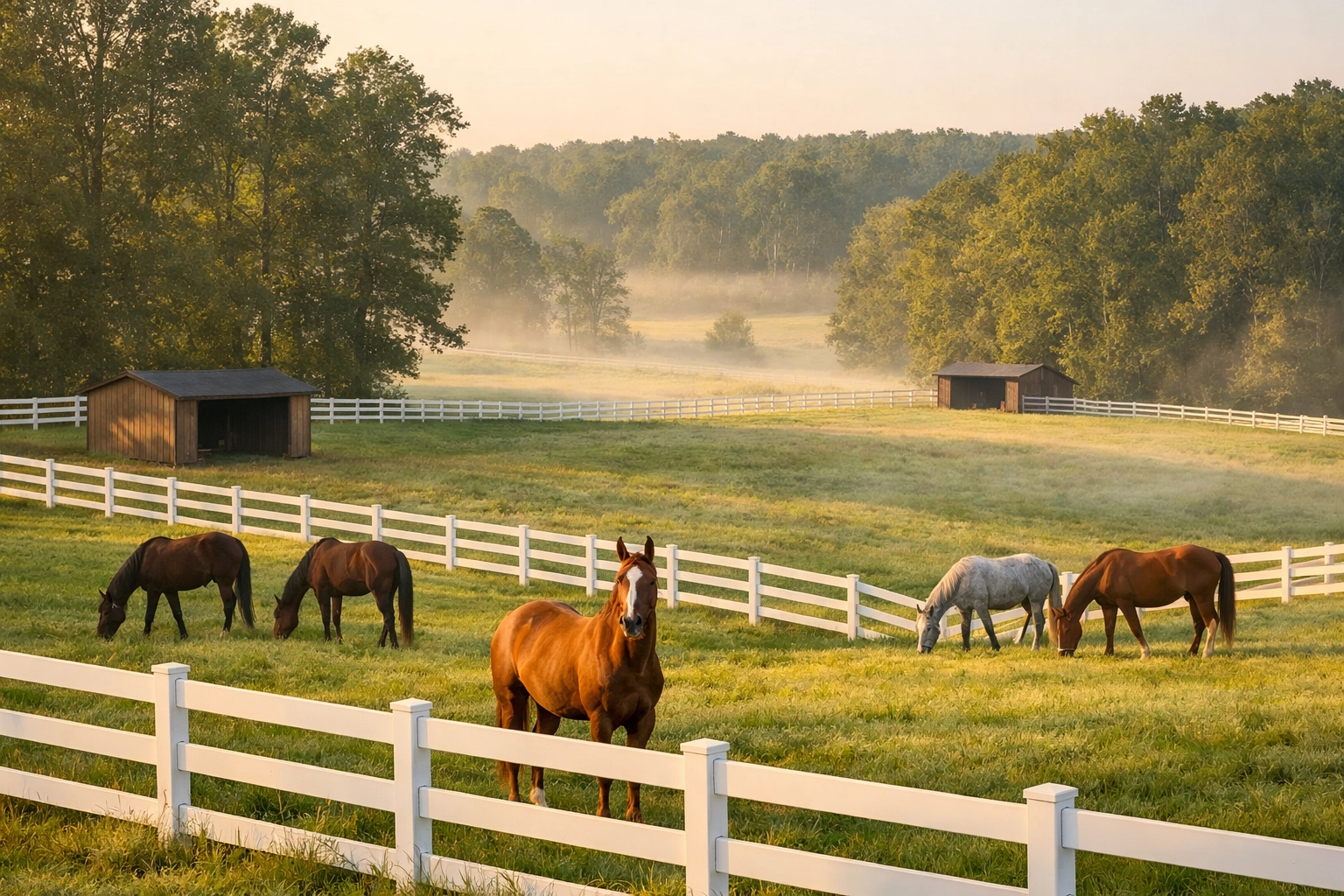
Start with land quality, not aesthetic appeal. Pastures should show evidence of proper management: controlled weed populations, appropriate fencing maintenance, and rotational grazing patterns. Bare spots indicate poor drainage or overstocking. Dense, consistent grass coverage suggests soil health and responsible stewardship.
Evaluate barn systems with a practical eye. Check electrical panels for adequate amperage to support clippers, heaters, and power tools. Inspect water lines for proper insulation and shutoff valve locations. Look at how manure management is handled: proper composting areas positioned for equipment access but away from water sources demonstrate thoughtful planning.
Consider your actual riding discipline and training needs. A breeding operation requires different infrastructure than a hunter-jumper training facility. An eventing program needs cross-country terrain that a dressage-focused property doesn't provide. Match property capabilities to your specific program requirements, not generic "horse property" features.
Working With Specialists Who Understand Equestrian Operations
The difference between a general residential agent and someone who genuinely understands equestrian properties becomes apparent during negotiations and due diligence. Specialists recognize when arena footing is properly engineered versus decorative stone dust. They understand which barn repairs are cosmetic and which indicate structural concerns. They know appropriate price points for various acreage sizes and improvement levels.
Proper representation includes connections to equestrian-specific service providers: inspectors who understand barn construction standards, lenders familiar with agricultural property financing, and attorneys experienced with farm operation contracts. This network prevents the learning curve that costs time and money.
Finding Your Place in Waxhaw's Equestrian Landscape
Successful horse property purchases in Waxhaw result from clear priorities and patient evaluation. The market moves: quality properties attract serious buyers quickly: but rushing into the wrong property creates years of correction and compromise.
Define your must-have features versus nice-to-have amenities. Determine whether you're buying for immediate use or planning phased development. Understand your actual budget including reserves for inevitable improvements and maintenance.
Waxhaw offers the land, the community, and the infrastructure to support serious equestrian operations. What you bring is clarity about your program needs and patience to find the right match.
If you're ready to explore horse farms in Waxhaw with someone who speaks your language, our team brings both equestrian credibility and local market expertise. We're here when you're ready to have an informed conversation about what's actually available and what makes sense for your operation.